
Mental Resilience Score Calculator
Answer these questions honestly to gauge your current mental fitness level.
Your Resilience Score
Ready?
Select your answers above and click calculate to see your mental fitness assessment.
You’ve probably felt it before. A small setback hits-a missed deadline, a harsh comment, a sudden change in plans-and instead of handling it like a pro, you spiral. You feel fragile. You call yourself "weak." But here’s the truth: mental weakness isn’t a personality flaw. It’s usually just a lack of practiced skills. Just like you wouldn’t expect to lift heavy weights on day one at the gym, you shouldn’t expect unshakable calm during life’s storms without training.
Being "mentally strong" doesn’t mean suppressing emotions or acting like a robot. It means having the tools to navigate discomfort, bounce back from failure, and keep moving forward when things get tough. If you’re ready to stop feeling like a victim of your circumstances and start taking control, this guide will show you exactly how to build that inner steel.
The Myth of "Born Strong" vs. The Reality of Mental Fitness
We often think some people are just born with thick skin while others are naturally sensitive. Science says otherwise. Mental resilience is the ability to adapt well in the face of adversity, trauma, tragedy, threats, or significant sources of stress. It’s not a fixed trait; it’s a muscle. Research from the American Psychological Association shows that resilience can be developed through specific behaviors and thought patterns.
Think about your physical health. If you eat junk food and never move, you’ll feel sluggish and weak. Same goes for your mind. If you constantly feed it negative self-talk, avoid challenges, and isolate yourself, your mental fitness declines. The good news? You can reverse this. By changing daily habits, you rewire your brain to handle stress better over time.
Step 1: Master Your Narrative (Cognitive Reframing)
The biggest source of perceived mental weakness is how we talk to ourselves. When something goes wrong, do you say, "I’m such an idiot," or "This is a chance to learn"? That split-second reaction shapes your reality.
Cognitive reframing is a cognitive behavioral technique used to help individuals identify and challenge distorted thoughts. Here’s how to practice it:
- Catch the thought. Notice when you’re thinking in absolutes like "always," "never," or "everyone hates me."
- Question the evidence. Ask yourself: "Is this factually true? What’s another way to look at this situation?"
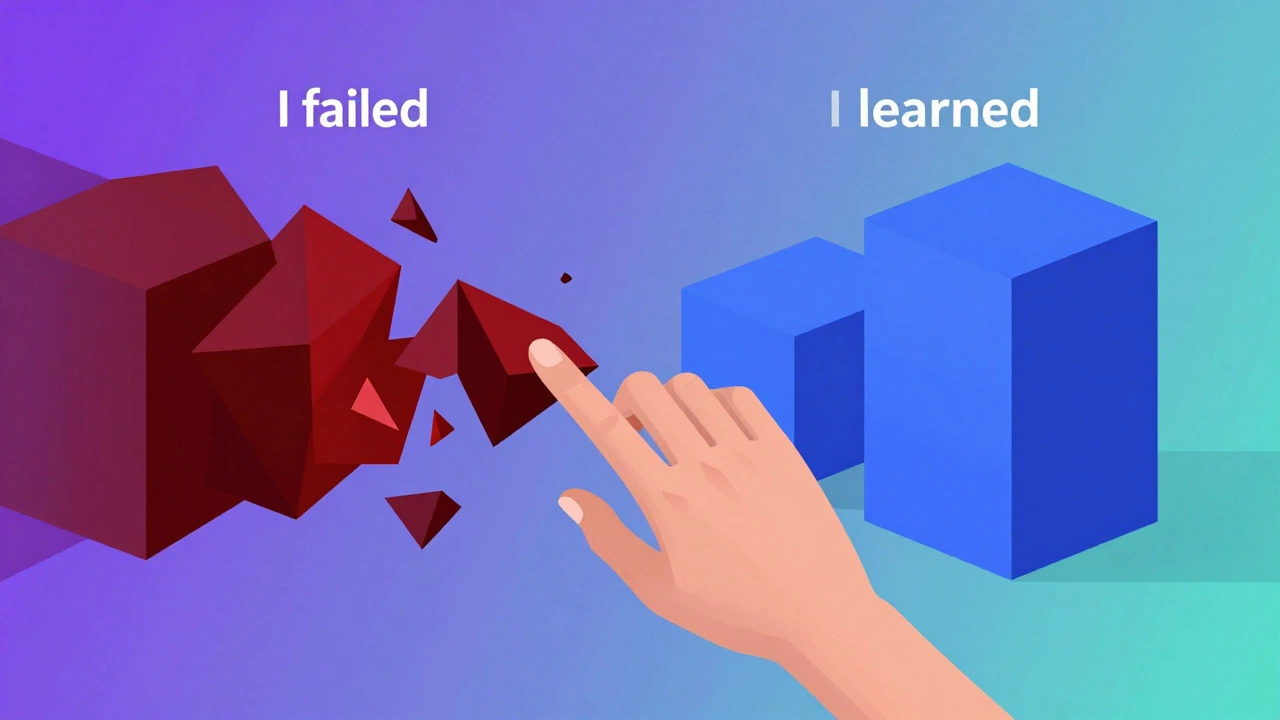
- Reframe it. Change "I failed" to "I learned what doesn’t work." Change "I’m overwhelmed" to "I need to prioritize and break this down."
This isn’t about toxic positivity. It’s about accuracy. Most of our catastrophic predictions don’t come true. By challenging them, you reduce anxiety and free up energy to solve actual problems.
Step 2: Embrace Discomfort Through Micro-Challenges
Avoidance feeds weakness. Every time you skip a difficult conversation, procrastinate on a hard task, or stay in bed because getting up feels too much, you train your brain that discomfort is dangerous. Over time, your comfort zone shrinks.
To build strength, you need controlled exposure to stress. This is called stress inoculation is a process where gradual exposure to stressors helps build coping mechanisms. Start small:
- Take a cold shower for 30 seconds. It sounds simple, but it teaches your nervous system to handle shock.
- Send that email you’ve been dreading for three days.
- Go for a run when you’d rather watch TV.
Each time you do something uncomfortable and survive, you prove to your brain that you’re capable. This builds confidence, which directly combats feelings of mental fragility.
Step 3: Prioritize Physical Foundations
You can’t have a strong mind in a neglected body. Sleep, nutrition, and movement aren’t just lifestyle choices; they’re biological requirements for emotional regulation.
| Habit | Mental Benefit | Actionable Tip |
|---|---|---|
| Sleep (7-9 hours) | Reduces emotional reactivity, improves decision-making | No screens 1 hour before bed; keep room cool |
| Exercise (30 mins/day) | Releases endorphins, reduces cortisol (stress hormone) | Walk outside, lift weights, or do yoga |
| Balanced Diet | Stabilizes blood sugar, prevents mood swings | Eat protein-rich meals; limit processed sugar |
If you’re sleep-deprived, your prefrontal cortex-the part of your brain responsible for logic and impulse control-literally shuts down. You become more reactive, more anxious, and less resilient. Fix your sleep, and you fix half your mental struggles.
Step 4: Set Boundaries and Say No
People who feel mentally weak often overextend themselves. They say yes to everything, please everyone, and then burn out. This isn’t kindness; it’s fear. Fear of rejection, fear of conflict, fear of being seen as selfish.
Healthy boundaries are limits and rules we set for ourselves within relationships to protect our energy and values. Saying no isn’t rude; it’s necessary. When you protect your time and energy, you signal to yourself that you matter. This boosts self-respect, which is the foundation of mental strength.
Start by saying no to small things. Decline an invitation you don’t want to attend. Leave work on time. Communicate your needs clearly: "I can help with this, but I need until Friday." You’ll be surprised how much stronger you feel when you stop living for other people’s expectations.
Step 5: Cultivate a Support Network
Independence is valuable, but isolation is dangerous. Humans are social creatures. Having a strong support network doesn’t make you weak; it makes you resourceful.
Identify three people in your life who lift you up. Not the ones who enable your complaints, but the ones who challenge you to grow. Spend time with them. Share your struggles. Vulnerability, when shared with the right people, creates connection and trust. It reminds you that you’re not alone in your battles.
If you don’t have these people yet, join groups aligned with your interests. Book clubs, hiking groups, volunteer organizations-anywhere you can meet like-minded individuals. Community provides perspective and encouragement when your own reserves are low.

Step 6: Practice Mindfulness and Emotional Awareness
Mental strength isn’t about ignoring emotions; it’s about understanding them. Many people suppress their feelings, only to have them explode later as anger, anxiety, or depression.
Mindfulness meditation is a practice of paying attention to the present moment without judgment. Even five minutes a day can help you observe your thoughts instead of being swept away by them. When you feel stressed, pause. Breathe. Ask yourself: "What am I feeling right now? Where do I feel it in my body?"
This simple act creates space between stimulus and response. Instead of reacting impulsively, you choose how to respond. That choice is power. That choice is strength.
Common Pitfalls to Avoid
As you work on building mental resilience, watch out for these traps:
- Perfectionism: Waiting for the "perfect" moment to start. It doesn’t exist. Start messy, improve later.
- Comparison: Measuring your behind-the-scenes against someone else’s highlight reel. Focus on your own progress.
- All-or-nothing thinking: Believing that if you slip up once, you’ve failed completely. One bad day doesn’t erase weeks of progress.
Progress isn’t linear. Some days you’ll feel unstoppable; other days, getting out of bed will feel like a victory. Both are okay. Consistency matters more than intensity.
When to Seek Professional Help
There’s no shame in asking for help. If your mental struggles interfere with daily life-work, relationships, sleep-it might be time to talk to a therapist. Cognitive Behavioral Therapy (CBT) is a structured, short-term psychotherapy aimed at treating current problems and symptoms. It’s highly effective for anxiety, depression, and building coping skills.
Therapy isn’t for "broken" people. It’s for proactive people who want to understand their minds better. Think of it as hiring a coach for your mental game.
How long does it take to build mental resilience?
There’s no fixed timeline, but most people notice improvements within 4-6 weeks of consistent practice. Building lasting resilience takes months of effort, similar to learning a new skill or getting fit. The key is consistency, not speed.
Is being sensitive a sign of mental weakness?
No. Sensitivity is a trait, not a defect. Sensitive people often have high empathy and creativity. Mental strength involves managing sensitivity effectively, not eliminating it. Learn to channel your emotions into action rather than letting them control you.
Can exercise really improve mental strength?
Absolutely. Exercise reduces stress hormones like cortisol and increases endorphins and serotonin, which boost mood. Regular physical activity also improves sleep and cognitive function, all of which contribute to better emotional regulation and resilience.
What should I do if I relapse into old habits?
Relapses are normal. Don’t beat yourself up. Analyze what triggered the relapse, adjust your strategy, and start again. Progress is rarely a straight line. Each attempt teaches you more about yourself and strengthens your resolve.
How do I know if I need therapy?
If your mental struggles persist for more than two weeks, affect your daily functioning, or cause significant distress, consider seeking professional help. Therapy provides personalized strategies and support that self-help methods might miss.