
Personal Style Identity Builder
Step 1: The Lifestyle Reality Check
Distribute your time across your main activities to see where your wardrobe needs to focus.
Step 2: The Three-Word Method
Select 3 words that describe how you want to feel in your clothes. This is your filter for all future purchases.
Your Style Profile Summary
Adjust your lifestyle sliders and select your three words to generate your personal style summary.
Quick Wins for Style Discovery
- Audit your favorites: Look for patterns in the 5-10 items you actually love wearing.
- Create a visual mood board: Collect images of outfits that make you feel an immediate "yes."
- Identify your 'uniform': Find the base combination of clothes you feel safest in.
- Analyze your lifestyle: Align your clothes with where you actually spend your time.
The Psychology of Dressing: Why We Struggle
Before you start buying new clothes, you have to understand why you're stuck. Most of us suffer from "aspirational dressing." This happens when you buy clothes for the person you wish you were, rather than the person you are. You might buy a sharp Blazer because you want to feel like a high-powered executive, even though you work from home in your pajamas four days a week. When the reality of your life doesn't match the clothes, you feel uncomfortable and fragmented.
Personal style is essentially a bridge between your internal identity and your external presentation. When that bridge is broken, you feel a lack of confidence. The goal here isn't to fit into a specific category like "boho" or "minimalist," but to create a cohesive look that feels like an extension of your personality. Ask yourself: if your clothes were a movie genre, what would they be? A gritty indie film? A bright romantic comedy? A structured historical drama? Defining this vibe helps narrow down the search.
Step 1: The Wardrobe Forensic Audit
You can't find where you're going if you don't know where you are. Start by emptying your entire closet onto your bed. Every single piece. Now, divide them into three piles: Love, Maybe, and Never. The "Love" pile is where the gold is. These are the items you reach for when you want to feel confident or comfortable.
Look at the "Love" pile and start identifying the common denominators. Are they all Neutral Colors? Do they all have a loose fit? Maybe you realize that every single piece you love has a high waist or is made of Linen. These aren't just random preferences; they are the building blocks of your style identity. If you find that you love oversized tees and wide-leg trousers, you're leaning toward a relaxed, effortless aesthetic. If you prefer structured shirts and pointed shoes, you're gravitating toward a polished, tailored look.
Step 2: Building Your Visual Evidence Board
Now that you know what you actually like, it's time to see what you *think* you like. Use a platform like Pinterest or even just a saved folder on Instagram. Don't overthink it. Pin everything that catches your eye for 48 hours. Don't worry about whether you can pull it off or if you can afford it. Just collect data.
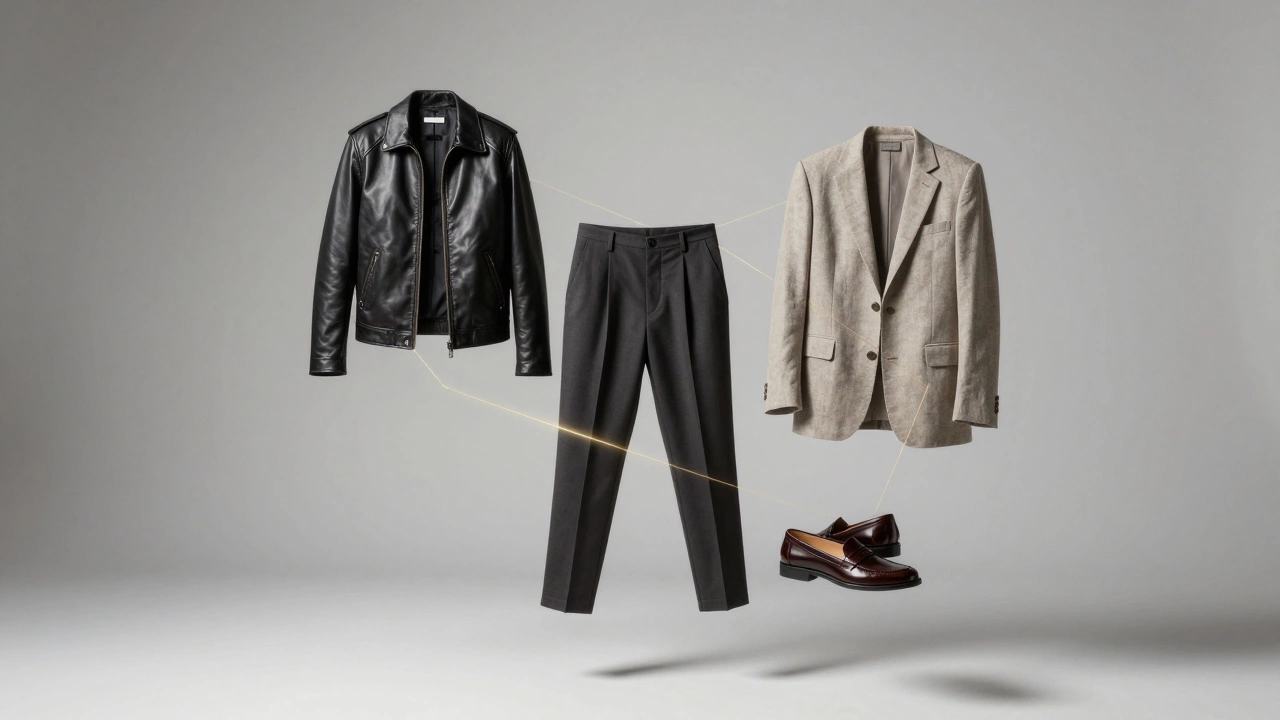
After two days, go back through the images and look for the "Invisible Thread." You might notice that while you pinned a variety of looks, 80% of them feature Monochromatic Outfits or a specific accessory, like a leather boot. This process helps you separate a fleeting trend from a genuine preference. If you see the same element appearing across different styles (e.g., a leather jacket in both a rock-and-roll look and a minimalist look), that element is a core component of your personal style.
Step 3: The Lifestyle Reality Check
This is where most style journeys fail. You might discover you love the "Dark Academia" look-lots of tweed, browns, and old libraries-but if you live in a humid climate and work in a tech startup, wearing a three-piece wool suit is impractical. Your style must be functional, or you'll never actually wear it.
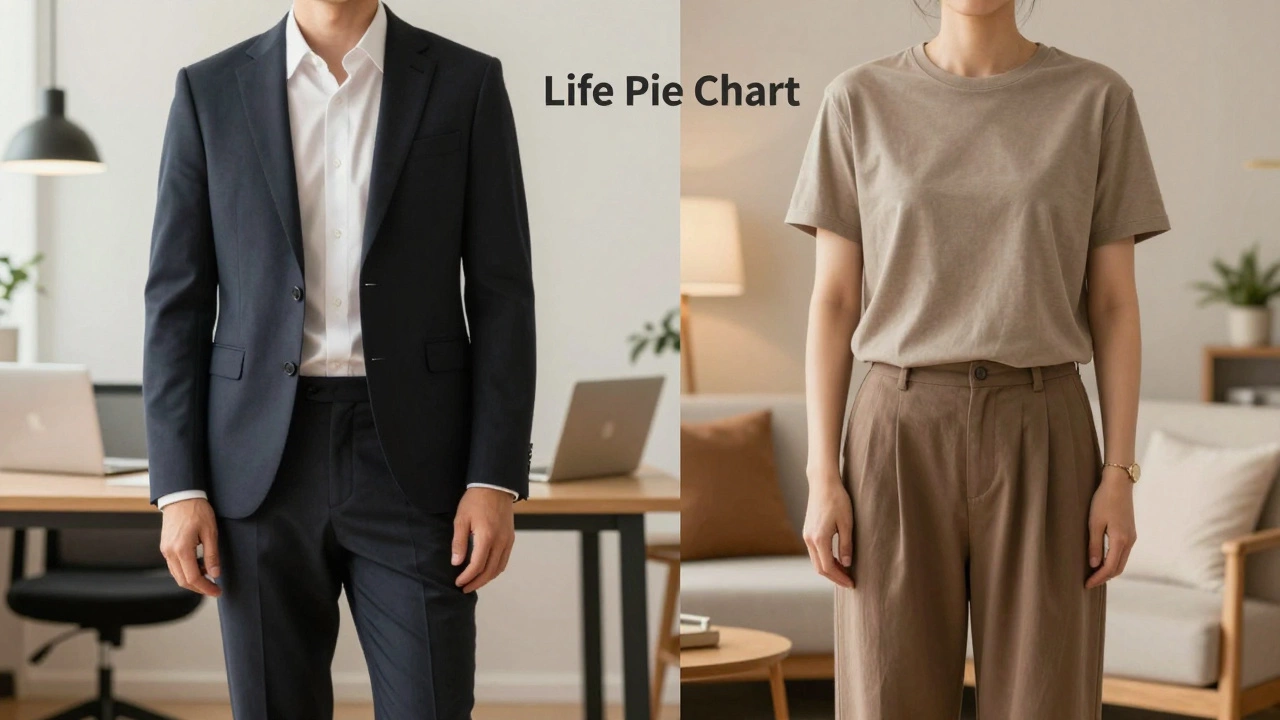
Create a "Life Pie Chart." Estimate how much time you spend in different environments: Work (40%), Home (30%), Socializing (20%), Gym/Errands (10%). Your wardrobe should reflect these percentages. If 40% of your life is spent in a professional setting, but 80% of your wardrobe is loungewear, you'll always feel like you're struggling to get dressed. The trick is to find a version of your discovered style that fits each slice of the pie. For a "minimalist" style, this might mean a sleek trouser for work and a high-quality cotton tee for home.
| Style Archetype | Core Elements | Best For... | Potential Pitfall |
|---|---|---|---|
| Minimalist | Neutrals, clean lines, basic cuts | Corporate or Creative professional | Can look boring without texture |
| Bohemian | Flowy fabrics, prints, earthy tones | Artistic roles, warm climates | Can look like a costume if overdone |
| Edgy/Street | Leather, oversized fits, bold sneakers | Urban environments, youth culture | Can be impractical for formal events |
| Classic/Preppy | Button-downs, loafers, navy/white | Traditional offices, academic settings | Risk of looking too rigid or dated |
Step 4: The Three-Word Method
Once you've audited your clothes and analyzed your mood board, you need to distill everything into a simple formula. Pick three words that describe how you want to feel in your clothes. For example: "Polished, Edgy, Comfortable." This becomes your filter for every future purchase.
When you're in a store and you see a shirt you love, run it through the three-word filter. Is this shirt polished? Yes. Is it edgy? No. Is it comfortable? Yes. If it only hits one or two of your words, it's a "maybe." If it hits all three, it's a "must." This prevents the impulse buys that lead to a cluttered closet. By sticking to these descriptors, you ensure that every new piece integrates seamlessly with what you already own, creating a cohesive Capsule Wardrobe effect.
Step 5: Experimenting Without Risk
You don't need to spend a fortune to test a new style. Start with the "Accessory Pivot." If you want to move toward a more "Elegant" style but aren't ready to buy a whole new wardrobe, start by swapping your sneakers for a Loafer or adding a structured belt to a loose dress. Accessories are the low-stakes way to test if a certain vibe actually feels like *you*.
Another great method is "The Uniform Experiment." For one week, commit to a specific silhouette-say, high-waisted pants and a tucked-in shirt. See how it affects your mood and confidence. Does it make you feel powerful? Or do you feel restricted? Style is a physical experience. If you feel like you're wearing a costume, the style isn't right, regardless of how good it looks in a mirror. Your comfort level is the ultimate truth-teller.
Common Pitfalls to Avoid
One of the biggest mistakes is thinking that style is a destination. You don't "arrive" at a style and stay there forever. Your style will evolve as you age, change jobs, or move to different cities. The key is to maintain a core set of values while allowing the details to shift. Don't get so attached to your "three words" that you stop experimenting entirely.
Avoid the "Haul Culture" trap. Buying twenty pieces of clothing from a fast-fashion brand to "try out a new style" is the fastest way to end up with a closet you hate. Instead, buy one high-quality piece that embodies the new direction. If you love it after a month, buy more. If it sits in your closet with the tags on, you've learned something valuable about your style without wasting hundreds of dollars.
What if I like too many different styles?
This is actually a strength! It means you have a "eclectic" or "hybrid" style. The trick is to find a common thread-like a consistent color palette-that ties these different vibes together. For example, you can mix a feminine floral skirt with an edgy leather jacket. As long as there is a balance in proportion and color, mixing styles looks intentional rather than messy.
How do I find my style if I have a limited budget?
Focus on the "Audit" and "Three-Word" methods first. You don't need new clothes to define your style; you need a new way of looking at what you already own. Once you have your three words, shop at thrift stores or use clothing swap apps. This allows you to experiment with different textures and silhouettes for a fraction of the cost of retail stores.
Does body shape dictate style?
Body shape informs *fit*, but it doesn't dictate *style*. Style is about the vibe, color, and attitude. Whether you are petite, curvy, or athletic, you can be a minimalist, a goth, or a preppy dresser. The only thing your body shape changes is how a garment should be cut to make you feel most comfortable and confident.
How often should I refresh my style?
Avoid seasonal refreshes based on trends. Instead, refresh when your lifestyle changes. If you move from a corporate office to a creative agency, or if you enter a new stage of life (like parenthood), your needs will change. Focus on evolving your core pieces rather than starting from scratch every six months.
What are 'staples' and do I need them?
Staples are versatile, timeless pieces-like a white t-shirt, a great pair of jeans, or a neutral coat-that work with almost everything else. You don't need a generic list of staples, but you do need *your* version of staples. If your style is edgy, your staple might be a black oversized blazer rather than a beige cardigan.
Next Steps for Your Style Journey
If you're feeling overwhelmed, start with a "One-Week Style Challenge." Every morning, pick one element from your mood board and try to incorporate it into your day, even if it's just a specific way of tucking in your shirt. Take a mirror selfie of every outfit. At the end of the week, look back at the photos. You'll quickly see which versions of yourself you actually liked and which ones felt like a costume. This real-world data is far more valuable than any fashion magazine advice.