Garden Layout & Companion Planner
Select your desired plants below to generate an optimal layout strategy based on sunlight, height, and companion relationships.
1. Select Your Plants
2. Layout Strategy
Add plants to see the recommended arrangement.
You’ve bought the seedlings. You’ve dug the holes. Now you’re staring at your patch of dirt, wondering if putting the tomatoes next to the basil is a genius move or a disaster waiting to happen. It’s a common panic. Most people treat garden beds like empty boxes-just fill them up until they look green. But plants aren’t static decorations; they’re living competitors fighting for light, water, and nutrients.
Getting the plant arrangement right isn’t just about aesthetics. It determines whether your harvest is abundant or whether you spend all summer battling mildew and stunted growth. Whether you have a sprawling backyard or a tiny balcony, the logic remains the same: work with nature, not against it. Here is how to structure your garden so every plant has room to breathe and thrive.
Start With Sunlight Mapping
Before you dig a single hole, watch your space. This is the non-negotiable first step. Most vegetables need six to eight hours of direct sun, but "full sun" means different things in Sydney versus London. In hotter climates, afternoon shade can actually save delicate crops from scorching.
Track where shadows fall throughout the day. Note which areas get morning light (gentle, dries dew quickly) and which get harsh afternoon heat. Group your plants by their light needs:
- Full Sun Lovers: Tomatoes, peppers, squash, and cucumbers. Place these in the brightest spots.
- Partial Shade Tolerant: Lettuce, spinach, kale, and herbs like parsley. These appreciate relief from the midday burn.
- Shade Seekers: Mint, chives, and some ferns. Use these under taller plants or on north-facing walls.
If you ignore this, you’ll end up with leggy, weak plants stretching for light while others fry in the open. Position tall plants on the north side of your bed (in the Southern Hemisphere, south side) so they don’t cast shadows on shorter neighbors during peak daylight.
The Layered Approach: Height and Spacing
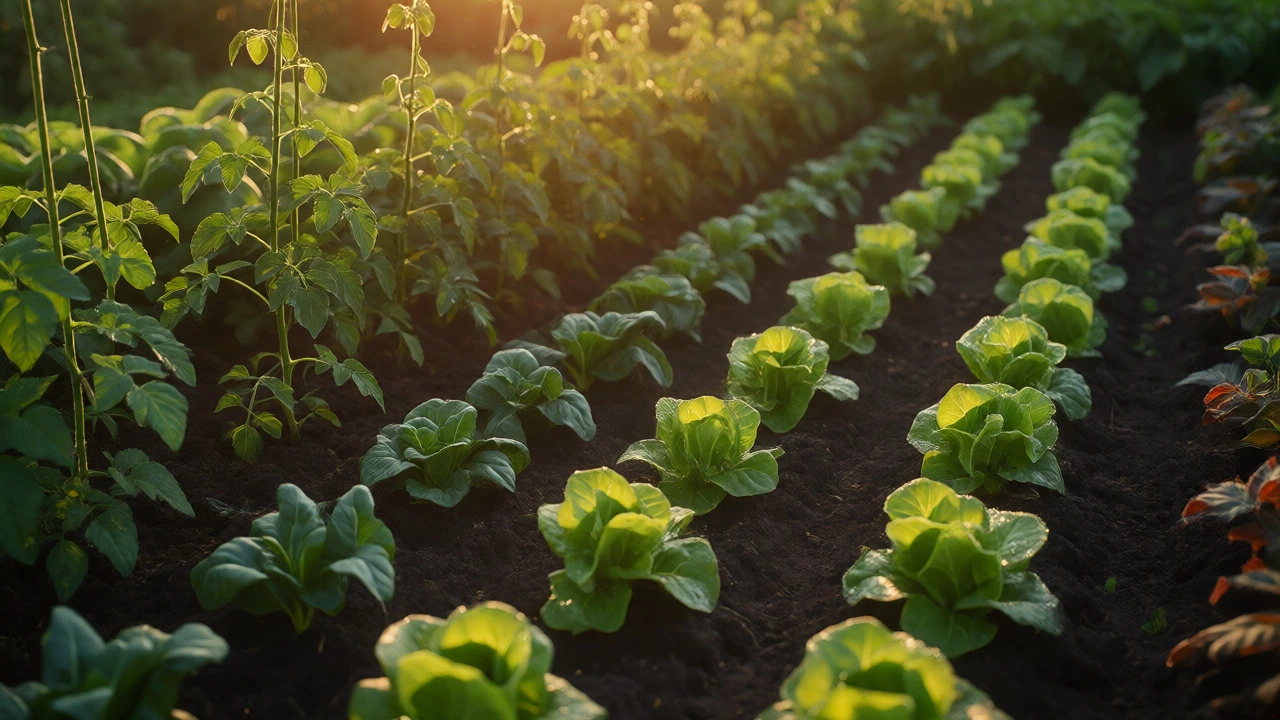
Think of your garden bed as a staircase, not a flat plane. This concept, often called "layering," mimics natural ecosystems where canopy trees, shrubs, and ground covers coexist without constant conflict. The goal is to maximize vertical space without blocking essential airflow.
A standard mistake is planting everything at the same height level. Instead, arrange plants based on their mature size, not their current seedling size. That tomato plant looks small now, but in three months, it will be six feet tall. If you planted lettuce right next to it, that lettuce will disappear into darkness.
| Zone | Height Range | Example Plants | Placement Strategy |
|---|---|---|---|
| Tall/Canopy | 4-8+ feet | Corn, Tomatoes, Pole Beans | Back of bed (North/South depending on hemisphere) |
| Medium/Shrub | 1-3 feet | Peppers, Eggplants, Bush Beans | Middle section |
| Low/Ground Cover | Under 1 foot | Lettuce, Strawberries, Thyme | Front edge or between larger plants |
This tiered system ensures sunlight filters down progressively. Tall plants catch the top rays, medium plants get filtered light, and low-growing crops survive in the partial shade created by their neighbors. Just ensure there is enough spacing between rows-at least 18 inches-to allow air circulation. Stagnant air trapped between dense foliage is the primary cause of fungal diseases like powdery mildew.
Companion Planting: Allies and Enemies
Not all plants are friends. Some exude chemicals that stunt neighbor growth (allelopathy), while others repel pests or attract pollinators. This is where companion planting becomes your secret weapon. It’s an ancient practice, validated by modern horticulture, that reduces the need for chemical pesticides.
Consider the classic "Three Sisters" method used by Indigenous peoples in North America. Corn provides a trellis for beans; beans fix nitrogen in the soil for corn and squash; squash leaves shade the ground, retaining moisture and suppressing weeds. It’s a closed-loop system where each plant supports the others.
Here are some proven pairings for home gardens:
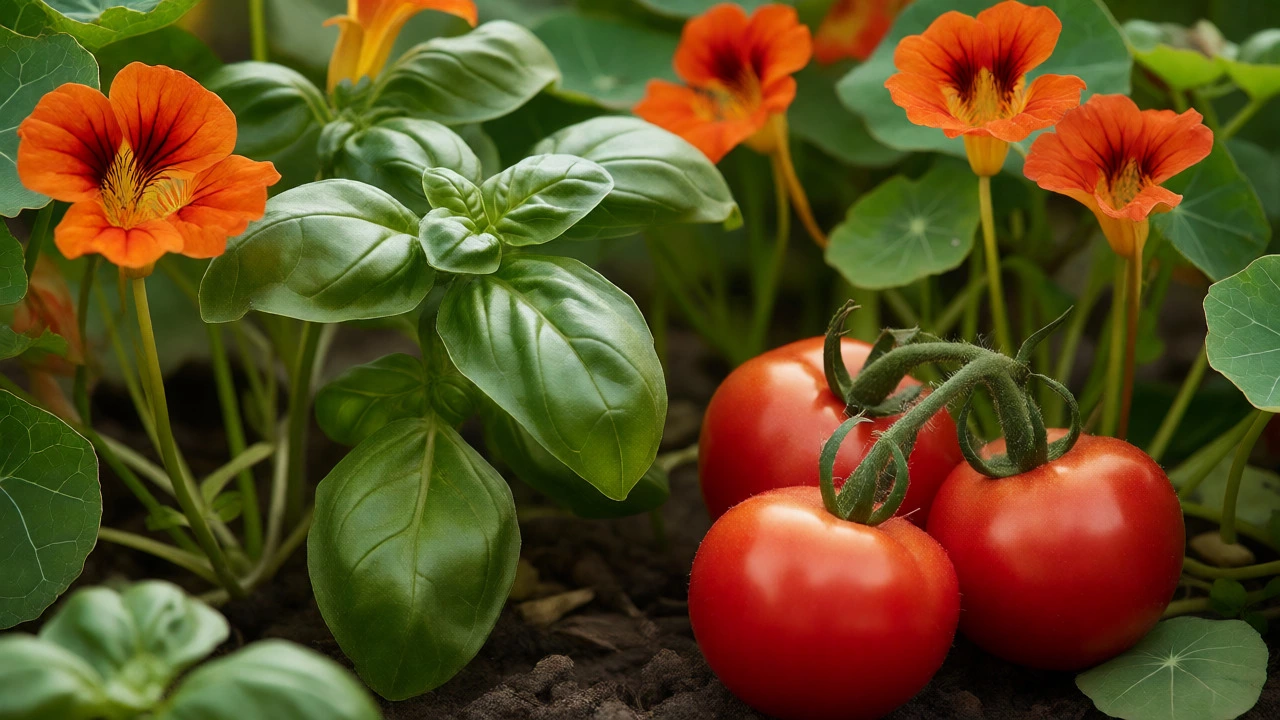
- Tomatoes + Basil: Basil may improve tomato flavor and repels thrips and flies. Plus, they love similar warm conditions.
- Carrots + Onions: Onion scent confuses carrot rust flies, while carrots deter onion flies. They also occupy different soil depths, minimizing root competition.
- Nasturtiums + Vegetables: Nasturtiums act as trap crops, luring aphids away from your brassicas (broccoli, cabbage). They also add edible flowers to your salad.
Conversely, keep certain plants apart. Never plant potatoes near tomatoes; both are nightshades susceptible to blight. If one gets sick, the other will likely follow within days. Similarly, avoid planting fennel near most other vegetables, as it tends to inhibit the growth of its neighbors.
Succession Planting for Continuous Harvest
One reason gardens look bare in late summer is poor timing. If you plant all your lettuce in March, you’ll have a glut in May and nothing in July. The solution is succession planting. Instead of sowing a whole packet at once, sow small batches every two weeks.
This technique keeps your soil productive year-round. As soon as your spring peas finish, pull them out and immediately plant summer beans. When those beans fade, put in autumn kale or garlic. By arranging your garden around crop rotation timelines, you eliminate empty patches.
Fast-growing crops like radishes, arugula, and baby spinach are perfect "fillers." You can sow them in the gaps between slower-growing plants like broccoli or cauliflower. By the time the broccoli heads form, the radishes are already harvested, leaving no wasted space.
Soil Health and Root Competition
What happens underground matters more than what you see above. Different plants have different root structures. Deep-rooted plants tap into subsoil moisture, while shallow-rooted plants feed on surface nutrients. Mixing them wisely reduces competition.
For example, pairing deep-rooted carrots with shallow-rooted lettuce works well because they don’t fight for the same resources. However, planting two heavy feeders together-like corn and pumpkins-will deplete the soil rapidly unless you amend it heavily with compost.
Heavy feeders include tomatoes, corn, and brassicas. Light feeders include beans and peas (which actually add nitrogen back into the soil). Rotate these groups annually. Don’t plant heavy feeders in the same spot two years in a row. This prevents nutrient depletion and breaks pest cycles that overwinter in the soil.
Aesthetic Flow and Pathways
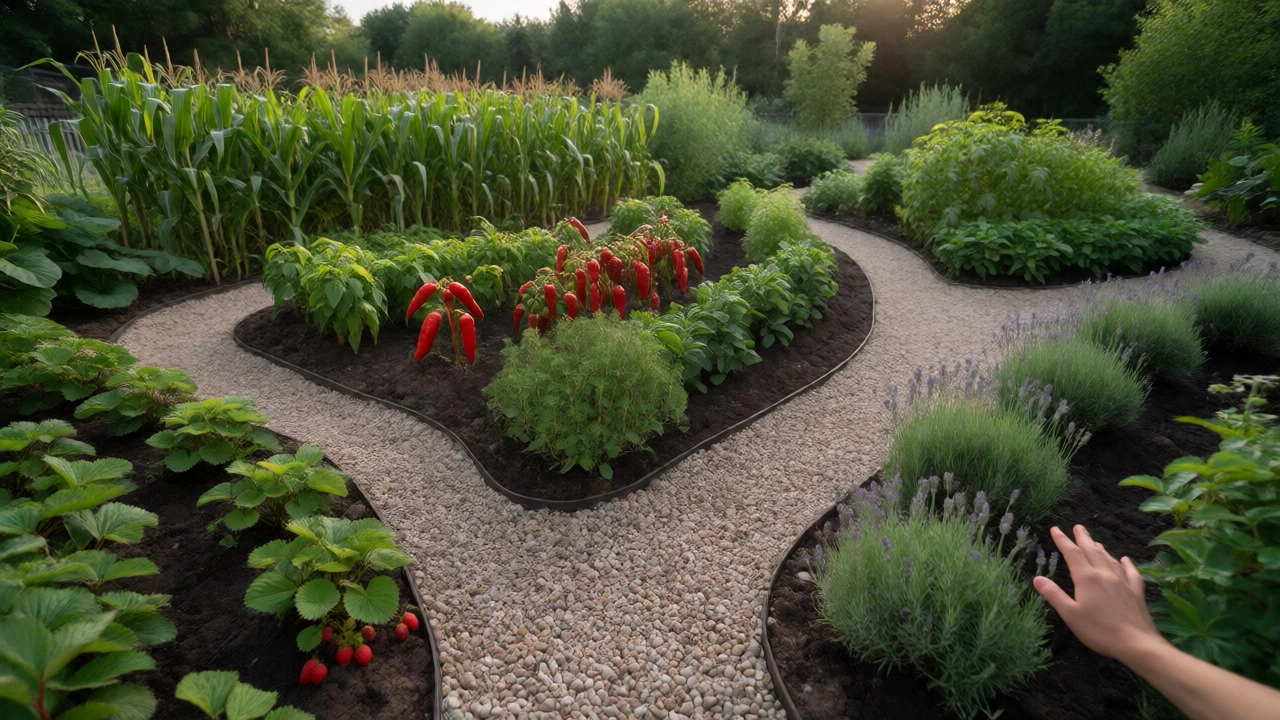
Functionality should drive beauty, but accessibility is key. Can you reach the center of the bed without stepping on wet soil? If not, your layout is flawed. Keep pathways wide enough for a wheelbarrow if possible, or at least comfortable walking width (about 2-3 feet).
Use curved edges rather than sharp squares. Curves soften the visual impact and make small spaces feel larger. They also create microclimates-nooks that might be slightly warmer or more sheltered from wind. Place perennial herbs like rosemary or lavender along paths where you brush past them daily. This releases their scent and discourages pests from crossing into vegetable zones.
Finally, consider color and texture. Mixing silver-leaved plants (like sage or lamb’s ear) with broad green leaves creates visual interest even when vegetables aren’t fruiting. This polyculture approach looks less like a farm and more like a designed landscape.
Quick Start Checklist for New Gardens
- Observe sunlight patterns for at least one week before planting.
- Determine your hardiness zone and frost dates.
- Amend soil with organic matter (compost/manure) before laying out plants.
- Sketch your layout on paper, accounting for mature plant sizes.
- Place tall plants on the northern edge (Southern Hemisphere) to prevent shading.
- Group plants with similar water needs together to avoid over- or under-watering.
- Leave adequate spacing for airflow to prevent disease.
How close can I plant my vegetables?
Spacing depends on the specific variety, but a general rule is to follow the seed packet instructions strictly. Overcrowding leads to poor air circulation and increased disease risk. For example, tomatoes typically need 24-36 inches between plants, while lettuce can be spaced 6-8 inches apart. Always account for the plant's mature width, not its current size.
Should I plant in rows or blocks?
Block planting (intensive spacing) is generally more efficient for home gardens than traditional long rows. It maximizes space usage and shades the soil faster, reducing weed growth and water evaporation. Rows are better for large-scale commercial farming where machinery access is required, but blocks suit hand-tended backyard plots better.
What is the best direction to orient garden rows?
In the Northern Hemisphere, run rows north-south to ensure even sun exposure across the day. In the Southern Hemisphere (like Australia), the principle is similar regarding shadow casting: place taller plants on the southern side of the bed so they don't shade shorter plants during the intense midday sun. The goal is always to minimize self-shading among crops.
Do companion plants really work?
Yes, but results vary. Scientific studies support specific combinations, such as marigolds repelling nematodes or basil deterring certain insects. However, it is not magic. Companion planting works best when combined with good soil health and proper spacing. Do not rely solely on companionship to solve major pest infestations.
How do I arrange plants in a small container garden?
Use the "thriller, filler, spiller" method. Choose one tall, dramatic plant (thriller) like a dwarf tomato or ornamental grass, surround it with bushy mid-height plants (filler) like peppers or petunias, and let trailing plants (spillers) like nasturtiums or ivy cascade over the pot edges. Ensure containers have drainage holes and use high-quality potting mix, as garden soil compacts too much in pots.