Meal Prep Suitability Checker
Select a food item below to see if it's safe and tasty to prepare in advance.
You spend three hours on Sunday chopping, roasting, and packaging. You feel productive. Then Tuesday lunch rolls around, you open your container, and your lettuce has turned into a sad, slimy green puddle. Or maybe your crispy chicken is now a soft, steamed disappointment. Sound familiar?
Meal prepping saves time and money, but it isn’t magic. Some foods simply hate being stored in plastic containers for days. They lose texture, flavor, or even become unsafe to eat. Knowing what foods cannot be meal prepped helps you avoid wasting groceries and ensures your lunches actually taste good.
The Texture Tragedies: Why Crunch Disappears
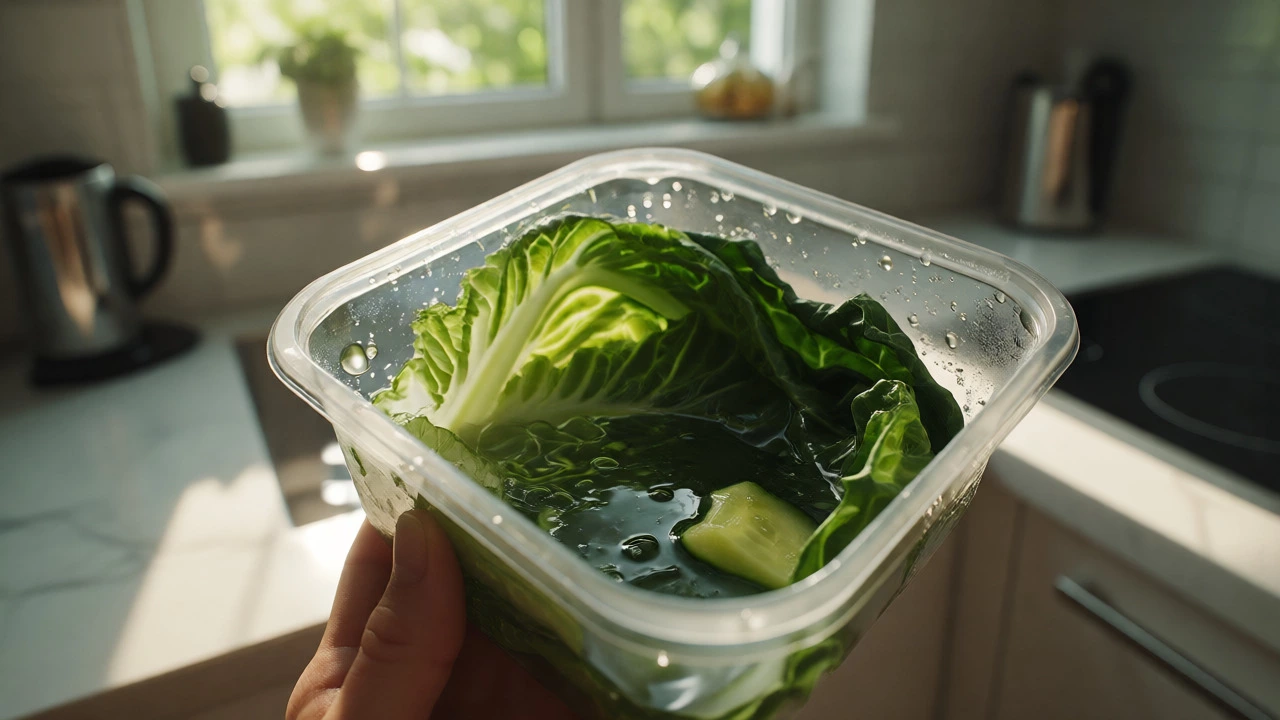
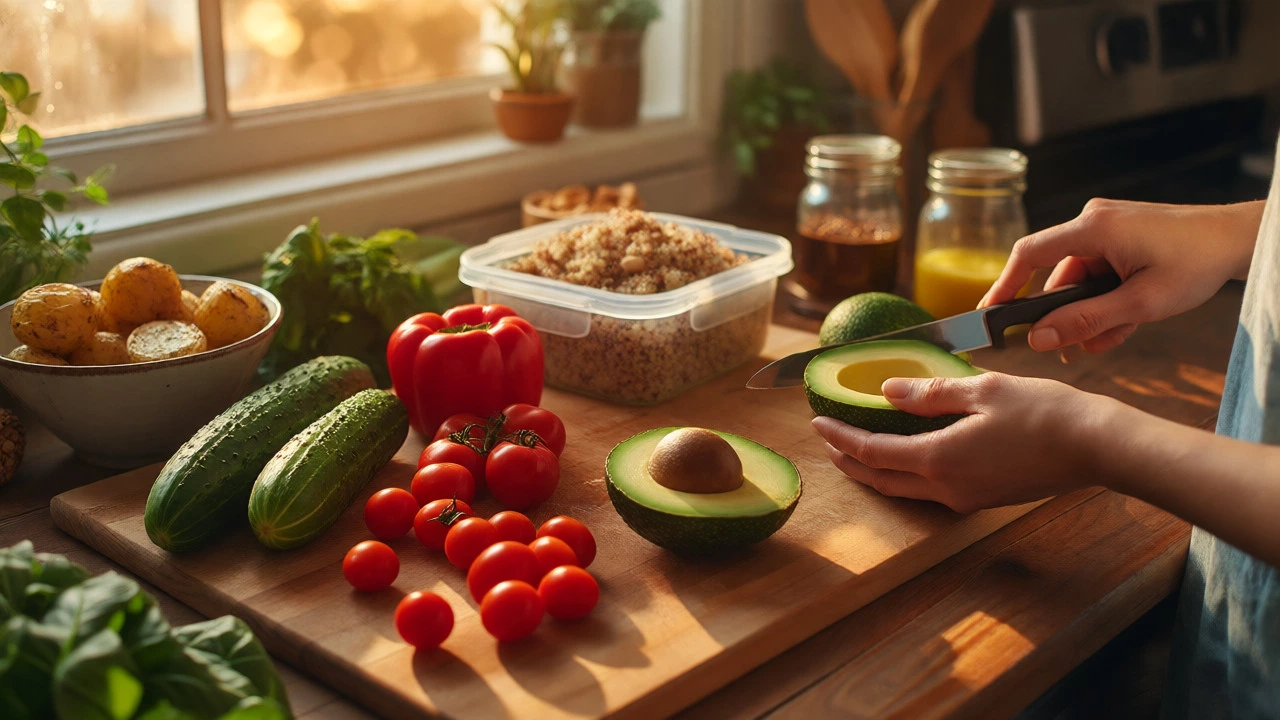
Let’s talk about moisture. It’s the enemy of crunch. When you chop vegetables like cucumbers, tomatoes, or bell peppers and store them in an airtight container, they release water. That water has nowhere to go. The result? Soggy salads and limp stir-fries.
Lettuce is the classic offender. Once cut, the cell walls break down, releasing enzymes that cause browning and wilting. If you try to prep a big batch of chopped romaine on Sunday, by Wednesday, it’s basically soup. The same goes for cucumbers. Their high water content means they weep profusely when sliced ahead of time.
What should you do instead? Keep these veggies whole until you’re ready to eat. Wash them, dry them thoroughly, and store them intact. Slice them right before assembly. It takes ten seconds, but your salad will still have snap.
The Starch Problem: Pasta and Rice Aren’t Always Friends with Fridge Life
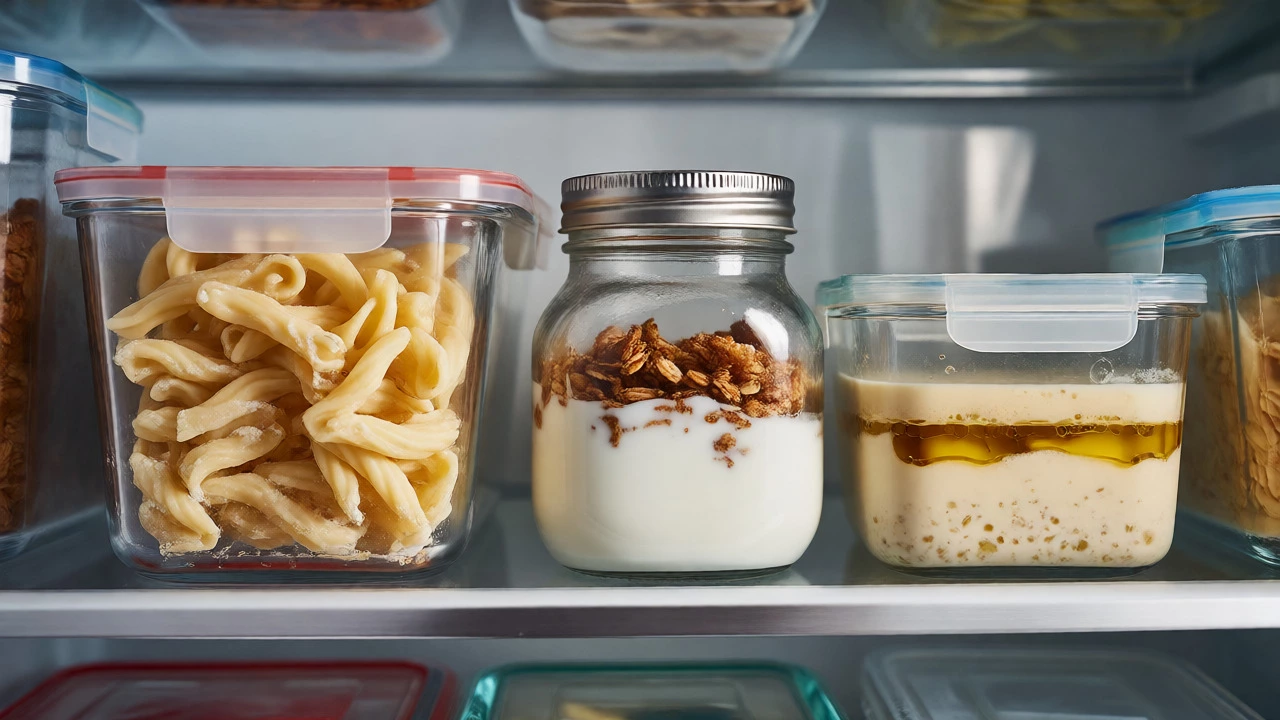
We all love pasta. But cooked pasta changes character rapidly in the fridge. As it cools, the starches undergo retrogradation. This process makes the noodles hard, chalky, and prone to sticking together in one giant clump. Reheating doesn’t always fix this; often, it just makes them mushy.
Rice behaves similarly. While you can definitely prep rice, you need to handle it carefully. If you leave it out too long before refrigerating, bacteria like Bacillus cereus can multiply. Plus, reheated rice can develop a stale odor if not stored properly. The trick is cooling it quickly and adding a splash of water when reheating to restore moisture.
Potatoes are another tricky one. Cooked potatoes can turn sweet or gritty due to enzymatic activity. Fried potatoes, like home fries, lose their crispness entirely and become greasy sponges. If you must prep potatoes, stick to roasted cubes in a single layer, not mashed or fried ones.
Dairy Dilemmas: Curdling and Separation
Not all dairy plays well with heat and time. Cream-based sauces, like alfredo or carbonara, tend to separate. The fat breaks away from the emulsion, leaving you with a grainy, oily mess rather than a smooth sauce. Yogurt parfaits are also risky. Layering yogurt with granola overnight results in soggy oats and watery yogurt. The granola absorbs the liquid, losing its crunch completely.
Cheese slices can sweat and stick to each other, becoming rubbery. Soft cheeses like ricotta or cottage cheese can release whey, creating a milky pool at the bottom of your container. Hard cheeses fare better, but even they benefit from being added fresh.
Fruit Fiascos: Browning and Mushiness
Bananas are notorious. Cut bananas oxidize quickly, turning brown and unappetizing within hours. Apples and pears do the same. You can slow this down with lemon juice, but it alters the flavor profile. For most people, it’s easier to just slice fruit right before eating.
Avocados are perhaps the most frustrating. No matter how much lime juice you use or how tightly you wrap them, they turn brown. The flesh becomes stringy and bitter over time. Prepping avocado toast components is fine, but keep the avocado whole until service.
Berries are delicate. Washing them before storage introduces moisture, which promotes mold growth. Strawberries and raspberries can get crushed under their own weight in stacked containers. Buy them fresh and wash them only when you’re ready to snack.
Safety First: Foods That Spoil Fast
Some foods aren’t just unpleasant after prepping; they’re potentially dangerous. Seafood is highly perishable. Cooked fish dries out rapidly and develops a strong "fishy" smell as it sits. Shrimp can become rubbery and tough. Generally, seafood should be consumed within 1-2 days of cooking. If your meal prep week stretches to five days, skip the shrimp curry on Monday and save it for Tuesday or Wednesday.
Cut raw meats require strict temperature control. If you marinate chicken breasts on Sunday, ensure they stay below 4°C (40°F). Any breach in the cold chain increases bacterial risk. Also, never reheat meat more than once. Plan portions so you only take out what you’ll eat that day.
What Actually Works: The Green Light List
So, what can you prep? Lots! Here’s a quick reference guide to help you plan your next grocery run.
| Food Item | Prep Status | Why / Tip |
|---|---|---|
| Roasted Vegetables | ✅ Excellent | Carrots, broccoli, and cauliflower hold up well. Store in breathable containers. |
| Grains (Quinoa/Brown Rice) | ✅ Good | Refrigerate within 2 hours. Add broth when reheating for flavor. |
| Legumes (Beans/Lentils) | ✅ Excellent | They improve in flavor over time. Great for soups and salads. |
| Hard Boiled Eggs | ✅ Good | Store unpeeled for longer freshness. Peel right before eating. |
| Chopped Onions/Garlic | ⚠️ Caution | Smell can permeate the fridge. Use airtight glass jars. |
| Salad Greens | ❌ Poor | Wilt quickly. Store whole leaves with paper towels to absorb moisture. |
| Cooked Pasta | ⚠️ Caution | Toss with oil to prevent sticking. Best eaten within 2-3 days. |
| Seafood | ❌ Poor | High spoilage risk. Consume within 24-48 hours. |
Pro Tips for Better Storage
If you’re determined to prep something borderline, here are some hacks from my kitchen in Sydney:
- Use Glass Containers: Plastic retains smells and stains. Glass keeps flavors pure and is microwave-safe.
- Layer Smartly: Put wet ingredients (dressings, sauces) at the bottom, followed by grains/proteins, then veggies, and finally delicate toppings (nuts, seeds) at the very top. This prevents sogginess.
- Freeze What You Can’t Refrigerate: Soups, stews, and casseroles freeze beautifully. Fresh herbs and garlic paste also freeze well in ice cube trays.
- Keep Dressings Separate: Never dress your salad in the container. Carry a small jar of vinaigrette and toss it just before eating.
Common Mistakes to Avoid
One major error is packing hot food directly into containers. Steam creates condensation, which leads to bacterial growth and soggy textures. Let your food cool to room temperature first, but don’t leave it out for more than two hours. Another mistake is overpacking. Food needs space for air circulation in the fridge. Crowded shelves lead to uneven cooling and faster spoilage.
Also, ignore the "best before" dates on your own prepped meals. Your homemade curry might look fine on Thursday, but if it smells off, trust your nose. Our senses are excellent detectors for spoilage.
Final Thoughts on Flexibility
Meal prepping shouldn’t be rigid. It’s a tool, not a prison. If you hate the idea of eating the same chicken breast five days in a row, prep ingredients instead of full meals. Chop veggies, cook grains, and portion proteins. Then, mix and match them daily based on your mood. This approach keeps things fresh and reduces waste.
Remember, the goal is convenience without compromising quality. By avoiding the pitfalls of soggy salads and rubbery shrimp, you’ll actually look forward to your packed lunches. Start small, test what works for your lifestyle, and adjust as you go.
Can I meal prep salads?
Yes, but with caveats. Avoid dressing the salad in advance. Use hearty greens like kale or cabbage that resist wilting. Store delicate toppings like nuts and croutons separately. Keep wet ingredients away from dry ones using dividers or separate containers.
How long does meal prepped food last in the fridge?
Generally, cooked meals last 3-4 days in the refrigerator. Seafood and cooked poultry are best consumed within 1-2 days. Raw prepped vegetables can last up to 5-7 days if stored properly with paper towels to absorb excess moisture. Always check for signs of spoilage before eating.
Why does my cooked chicken become rubbery?
Chicken becomes rubbery when it is overcooked initially or reheated improperly. Overcooking squeezes out moisture, leading to a dry texture. Reheating in a microwave can further dry it out. To prevent this, cook chicken gently to the correct internal temperature and reheat slowly with a bit of broth or sauce to retain moisture.
Is it safe to prep eggs?
Yes, hard-boiled eggs are great for meal prep. However, avoid scrambling or frying eggs in advance, as they become rubbery and unappetizing upon reheating. Store hard-boiled eggs in their shells to maintain freshness and peel them just before eating. They last up to one week in the refrigerator.
Can I prep guacamole?
Guacamole browns quickly due to oxidation. While you can add acid like lime juice to slow this down, it rarely stays vibrant green for more than a day. For best results, prep the other components (tomatoes, onions, cilantro) and mash the avocado right before serving. Alternatively, press plastic wrap directly onto the surface of the guacamole to minimize air exposure.