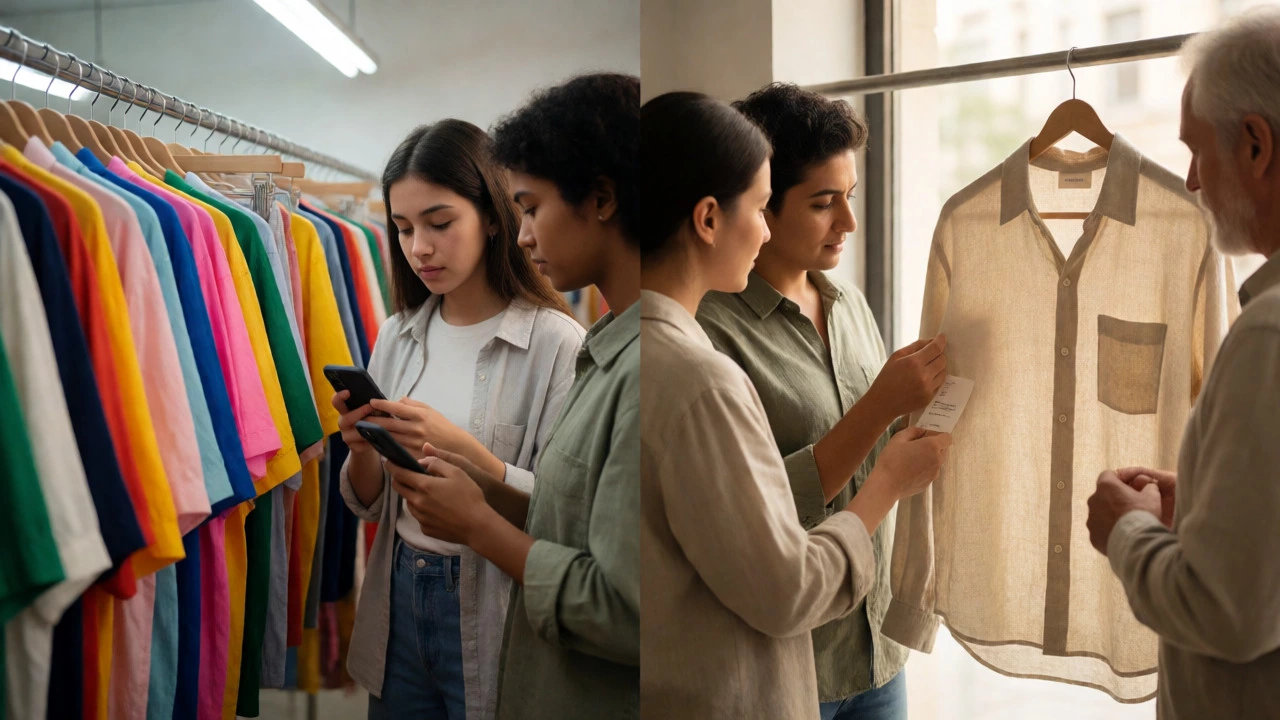
Sustainable Fashion Buyer Persona Quiz
Answer these questions honestly to see which sustainable fashion archetype matches your behavior. Are you driven by ethics, durability, or social signaling?
Your Profile
You walk into a store. Two shirts hang side by side. One costs $15, made of polyester that will shed microplastics for centuries. The other costs $60, made of organic cotton, fair-trade certified, and built to last. You buy the cheap one. Why? Maybe you’re saving for rent. Maybe you don’t believe the hype. Or maybe you just like the color.
But someone else buys the $60 shirt. Who are they? Is it the wealthy elite? The college student with the tote bag? The suburban mom trying to reduce landfill waste? The answer isn’t as simple as "rich people" or "young people." It’s a mix of values, income, geography, and life stage. If you’re running a brand, investing in retail, or just curious about where your clothes go, understanding sustainable fashion buyers is crucial. Let’s break down who actually puts their money where their mouth is.
The Myth of the "Eco-Warrior" Stereotype
We often picture the sustainable fashion buyer as a young activist in a hemp dress, living off-grid. But data tells a different story. While Gen Z is loud about climate change, they aren’t always the biggest spenders on high-end ethical brands. In fact, many young consumers are caught in a paradox: they want sustainability but have limited disposable income. They turn to second-hand apps like Depop or ThredUp rather than buying new organic linen from premium labels.
So, if not the stereotypical activist, who is driving sales? Look at the intersection of education and urban living. Studies consistently show that higher education levels correlate with higher willingness to pay for ethical products. This isn’t because educated people have more moral superiority; it’s because they have better access to information about supply chains and labor practices. They know what "fast fashion" really costs the planet, and they’re willing to pay a premium to avoid being part of the problem.
Age Brackets: Where Money Meets Values
Let’s look at the age groups. It’s tempting to think millennials are the primary drivers, and they are significant. Born between 1981 and 1996, this generation came of age during the rise of social media activism. They remember when fast fashion was new and exciting, and now they’re dealing with the clutter and guilt of those purchases. Millennials are currently in their peak earning years, which gives them the financial power to act on their values.
However, Gen X (born roughly 1965-1980) is quietly becoming a major force. These consumers value durability and quality over trendiness. They’ve seen fashion cycles come and go. When a Gen Xer buys a coat, they expect it to last ten years. Sustainable brands that emphasize craftsmanship and timeless design appeal directly to this demographic. They aren’t buying a t-shirt to post on Instagram; they’re buying an investment piece.
Gen Z is the wildcard. They are the most vocal about ethics but often lack the budget for premium sustainable goods. Their contribution comes through volume in the resale market and pressure on brands to change. They vote with their clicks, demanding transparency. So while they might not be buying $100 jeans from a boutique, they are influencing the entire industry’s direction.
| Generation | Primary Motivation | Preferred Channel | Spending Power |
|---|---|---|---|
| Gen Z | Social signaling & ethics | Resale apps (Depop, Vinted) | Low to Medium |
| Millennials | Quality & brand alignment | DTC Brands & Boutiques | High |
| Gen X | Durability & comfort | Established Retailers | Very High |
| Baby Boomers | Practicality & health | In-Store Shopping | High |
The Income Paradox: Can You Afford to Care?
Here is the uncomfortable truth: sustainable fashion has a price tag. A basic organic cotton tee can cost three times as much as a conventional one. For low-income households, that difference matters. Buying sustainable often means buying less frequently. If you have $50 for clothes this month, you might buy five fast-fashion items to cover various needs. If you choose sustainable, you might buy one item that lasts longer but leaves you with nothing else for the month.
This creates a barrier. The most likely buyers of premium sustainable fashion are upper-middle-class professionals. Think of teachers, nurses, engineers, and mid-level managers. They have enough disposable income to absorb the price premium but aren’t ultra-wealthy. They view clothing as a reflection of their personal brand and values. They are willing to skip a weekend dinner out to buy a pair of shoes that won’t fall apart after two months.
Conversely, lower-income consumers are increasingly turning to thrift stores and vintage shops. This is technically sustainable-it extends the life of existing garments-but it’s driven by necessity as much as ideology. The key distinction is choice. Wealthier consumers choose sustainability; lower-income consumers often practice it out of economic constraint. Both contribute to reducing waste, but their motivations differ significantly.
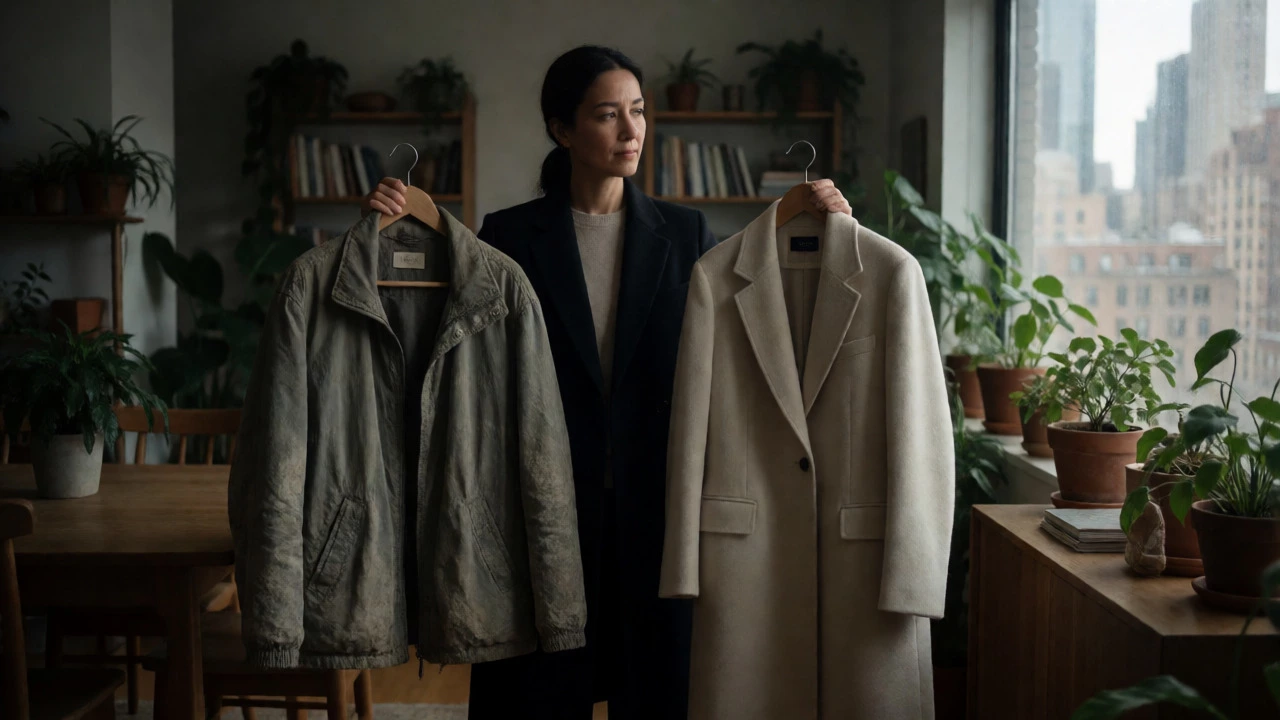
Geography Matters: Urban vs. Rural Mindsets
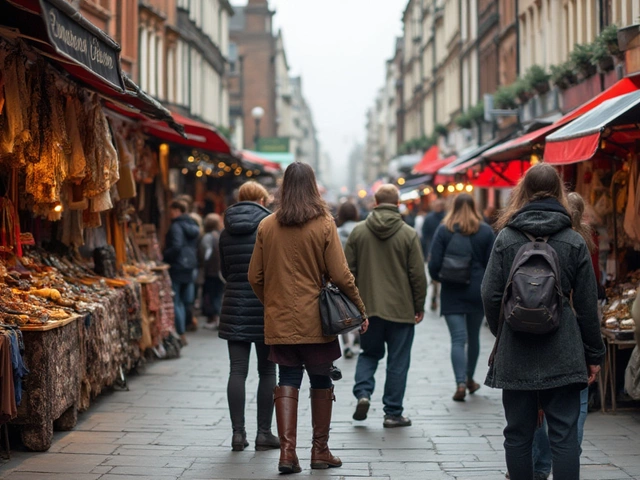
Where you live changes how you shop. Urban dwellers, particularly in cities like New York, London, Berlin, and San Francisco, are far more likely to buy sustainable fashion. Why? Access. Cities have more physical stores dedicated to ethical brands. They also have a culture of visibility. Wearing a recognizable sustainable brand can signal status within certain social circles.
Rural areas present a different challenge. Fast fashion retailers like Walmart and Target dominate these markets. Ethical options are scarce. However, rural consumers often have a stronger connection to nature and local production. They may prefer locally sourced materials over imported "green" certifications. A farmer in Iowa might buy wool from a neighbor rather than organic cotton from India, viewing it as more genuinely sustainable due to lower transportation emissions. The definition of "sustainable" shifts based on geography.
Psychographic Profiles: Values Over Demographics
Demographics tell us who people are, but psychographics tell us why they buy. The most loyal sustainable fashion customers share specific personality traits. They tend to score high on openness to experience and conscientiousness. They care about consistency. If a brand claims to be eco-friendly but uses excessive plastic packaging, these buyers feel betrayed. They read labels. They check websites for supply chain reports. They ask questions.
Another key trait is "identity signaling." For many, wearing sustainable clothing is a way to communicate who they are without speaking. It says, "I care about the world," or "I reject mindless consumption." This is especially true in professional settings where casual wear is common. Your choice of jacket becomes a subtle statement about your priorities.
However, there’s a segment known as the "aspirational buyer." They want to buy sustainable but struggle with the effort. They get overwhelmed by certification logos (Fair Trade, GOTS, OEKO-TEX). They want easy answers. Brands that simplify the message-"This shirt saves 500 gallons of water"-win these buyers over. Complexity kills conversion for this group.

The Role of Life Events
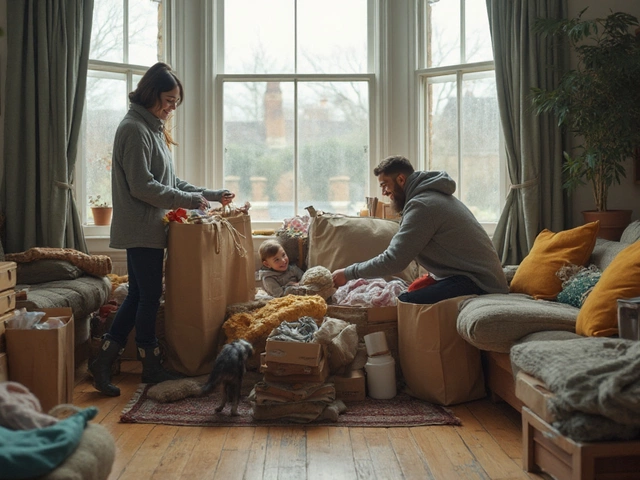
Life transitions trigger sustainable shopping sprees. Moving into a first apartment, having a baby, or starting a new job are all moments when people reassess their wardrobes. Parents, in particular, become hyper-aware of chemicals and safety. Organic cotton baby clothes are almost a default choice for many modern parents, not just for sustainability but for perceived health benefits. Once a parent starts buying organic for their child, they often extend that habit to themselves.
Divorce or career changes also prompt wardrobe resets. People use these opportunities to discard old identities and build new ones. Sustainable brands capitalize on this by offering capsule collections-curated sets of versatile pieces that help people rebuild their style efficiently. The buyer here isn’t looking for a deal; they’re looking for clarity and purpose.
How to Spot a Serious Buyer
If you’re selling or marketing, how do you identify these customers before they click "buy"? Look for engagement with content, not just products. Serious buyers read blog posts about fabric types. They follow influencers who discuss labor rights, not just outfit checks. They visit physical stores to feel the material. Touch is critical for sustainable fashion because quality differences are tactile.
They also return items less frequently. Because they research beforehand, they know what they’re getting. A customer who returns 50% of their online orders is likely impulse-buying fast fashion. A customer who keeps everything is likely a mindful consumer. Track your return rates by product category. If your organic line has lower returns than your synthetic line, you’ve found your core audience.
The Future: Will Everyone Become a Sustainable Buyer?
Regulations are tightening. The EU’s Digital Product Passport is coming, forcing brands to disclose environmental impact. This transparency will make ignorance harder to maintain. As prices for sustainable materials drop due to scale, the gap between fast fashion and ethical fashion will narrow. Eventually, the question won’t be "who is most likely to buy sustainable fashion?" but "who is still buying unsustainable fashion?"
For now, the sweet spot remains the educated, urban, middle-to-upper-income adult aged 25-45. They have the means, the motivation, and the access. But don’t ignore the growing influence of Gen Z resale markets and the quiet loyalty of Gen X quality-seekers. The landscape is shifting, but the core driver remains the same: people want to feel good about what they wear, both physically and morally.
Is sustainable fashion only for wealthy people?
Not exclusively. While premium new sustainable brands require higher upfront costs, lower-income consumers often participate through second-hand markets, thrifting, and clothing swaps. Economic constraints drive many to sustainable practices out of necessity, even if they cannot afford organic certifications.
Which generation buys the most sustainable fashion?
Millennials currently hold the largest share of spending on new sustainable apparel due to their combination of high values-alignment and peak earning potential. Gen Z drives volume in the resale sector, while Gen X contributes significantly through durable, high-quality purchases.
Do men or women buy more sustainable fashion?
Women historically purchase more clothing overall, including sustainable options. However, the growth rate for men's sustainable fashion is accelerating, particularly in basics like underwear and denim, as men become more conscious of supply chain issues and minimalist wardrobes.
Does location affect sustainable fashion purchasing?
Yes, significantly. Urban residents have better access to ethical brands and resale platforms. Rural areas rely more on mass-market retailers, though interest in local sourcing and durability remains high among rural consumers who prioritize practicality.
Why do some people refuse to buy sustainable fashion?
Common barriers include high price points, lack of trust in brand claims (greenwashing), limited availability of styles, and the perception that sustainable clothing lacks variety or trendiness compared to fast fashion.