Global Beauty Giant Comparison Tool
Select a Brand to Analyze
Click on a company card to view its detailed performance metrics.
L'Oreal Group
France • Revenue KingEstée Lauder
USA • Prestige PowerhouseCoty Inc.
USA • Mass Market GiantShiseido
Japan • Asian TitanSelect a Brand
OverviewChoose a company from the left panel to see how they stack up in the 2026 global beauty landscape.
Iconic Brands Owned
2026 Strategic Outlook
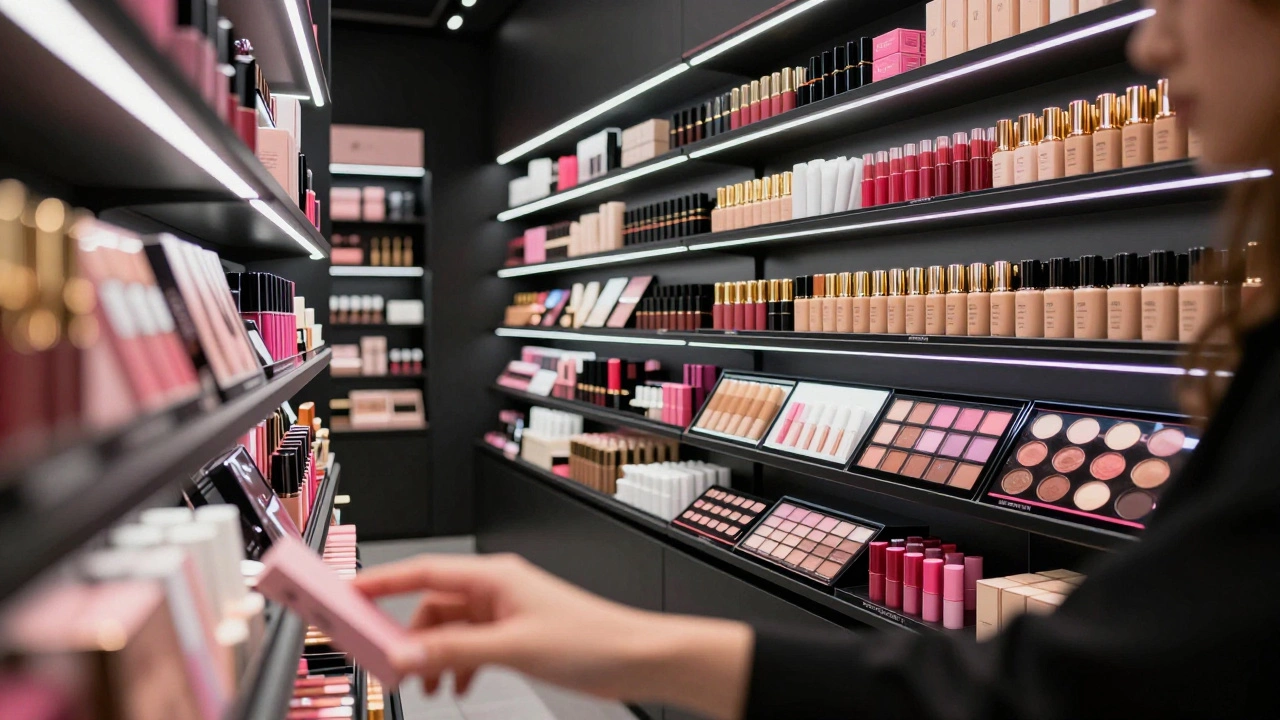
Walk into any pharmacy, department store, or browse your favorite online retailer, and you are immediately hit by a wall of color. Thousands of lipsticks, foundations, and eyeshadows compete for your attention. But behind the glossy packaging and influencer endorsements lies a massive financial machine. The question isn't just which shade looks good on you; it is which company actually moves the most product globally.
In 2026, the title of "best-selling makeup brand" depends entirely on how you define "selling." Are we talking about total revenue across all beauty products? Pure cosmetic volume? Or dominance in specific regions like Asia versus North America? The answers reveal a landscape dominated by a few giants who control the supply chains, marketing budgets, and retail shelves worldwide.
The Revenue King: L'Oreal Group
If we look at raw financial power, L'Oreal Group is the world's largest cosmetics company by annual revenue. Headquartered in Clichy, France, this conglomerate doesn't just sell one brand; it operates a vast portfolio that covers every price point and demographic imaginable. In recent fiscal years, L'Oreal has consistently reported revenues exceeding €40 billion, dwarfing its closest competitors.
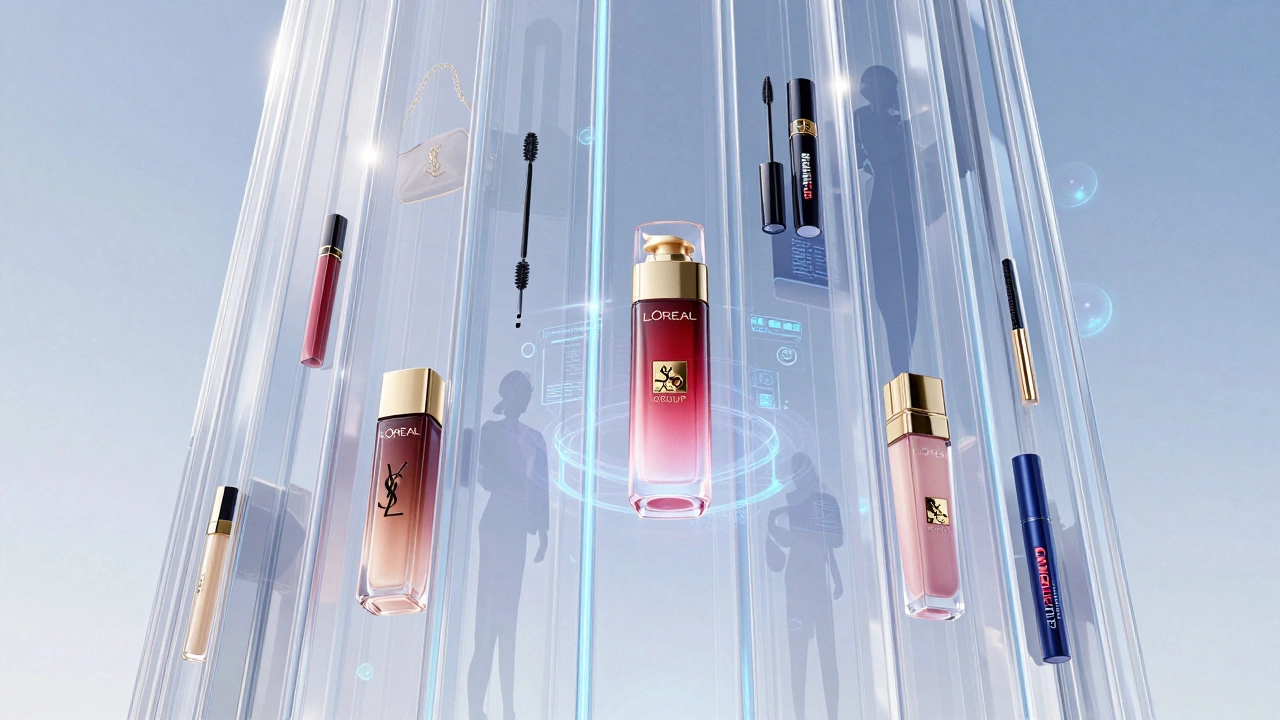
Why does L'Oreal sell the most? It is their strategy of vertical integration and brand diversification. They own everything from high-end luxury lines like Yves Saint Laurent Beauté and Lancôme to mass-market staples like Maybelline New York. When you buy a Maybelline mascara at a drugstore and a Lancôme foundation at a department store, you are likely funding the same parent company. This breadth ensures that no matter where consumer spending shifts-toward affordable dupes or luxury indulgence-L'Oreal captures the sale.
Their dominance is also fueled by aggressive digital transformation. L'Oreal was among the first major beauty groups to invest heavily in augmented reality try-on technology and direct-to-consumer e-commerce platforms. By meeting customers exactly where they are-whether on TikTok, Instagram, or Amazon-they maintain top-of-mind awareness and drive consistent sales volume.
The Prestige Powerhouse: Estée Lauder Companies
While L'Oreal wins on sheer scale, The Estée Lauder Companies Inc. is a leading global provider of prestige skincare, makeup, fragrance, and hair care products. Based in New York, this American giant holds a different kind of crown. If you strip away the mass-market drugstore brands and look strictly at prestige beauty-the expensive stuff sold in counters and high-end boutiques-Estée Lauder often rivals or surpasses L'Oreal in certain metrics, particularly in profitability per unit.
Estée Lauder’s portfolio includes iconic names that have defined beauty standards for decades. Brands like Clinique, MAC Cosmetics, and Tom Ford Beauty are household names. MAC Cosmetics, for instance, revolutionized the industry by partnering with professional makeup artists and offering an extensive range of inclusive skin tones long before it became an industry standard. This heritage gives them a loyal customer base that values expertise and quality over low prices.
However, Estée Lauder faces unique challenges in 2026. The rise of K-beauty (Korean beauty) and J-beauty (Japanese beauty) has eroded some of their traditional dominance in the Asian market, which is crucial for growth. To counter this, they have been acquiring niche, digitally native brands and focusing heavily on personalized skincare solutions, attempting to blend their prestige image with modern tech-driven customization.
The Mass Market Giant: Coty Inc.
When discussing which brand sells the most units, especially in the accessible price segment, Coty Inc. is a major player in the beauty industry known for owning both prestige and mass-market brands. Coty has mastered the art of licensing and acquisition. They own the rights to distribute products for some of the biggest fashion houses, including Gucci Beauty, Hermès Beauty, and Valentino Beauty.
Coty’s strength lies in its ability to make luxury accessible. By manufacturing perfumes and makeup under prestigious fashion labels but selling them through widespread retail channels like Walmart, Target, and Ulta, they achieve massive volume. Their mass-market arm, which includes brands like Rimmel London and CoverGirl, remains a staple in households worldwide, particularly in emerging markets where disposable income is growing but still limited.
In 2026, Coty is pivoting towards sustainability and clean beauty formulations to stay relevant. Consumers are increasingly scrutinizing ingredients, and Coty’s vast R&D resources allow them to reformulate legacy products to meet these new standards without losing their cost advantage.
The Asian Titans: Shiseido and P&G Beauty
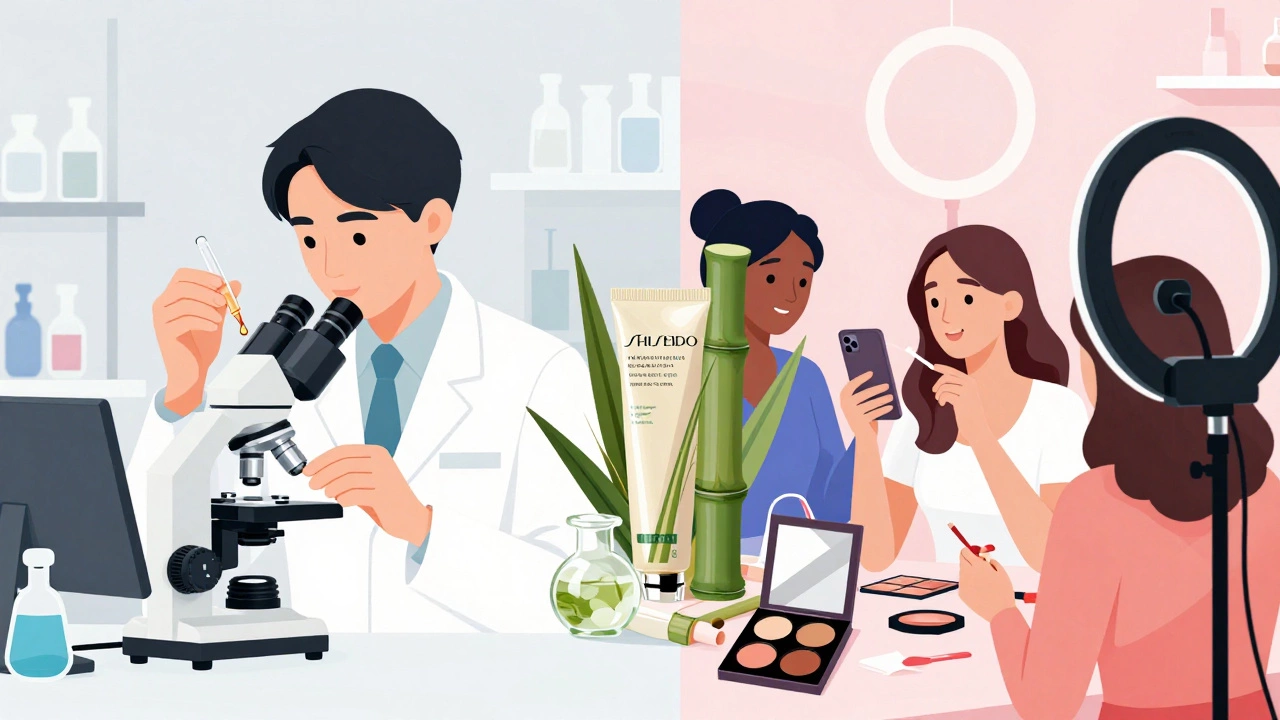
You cannot talk about global sales without acknowledging the shift in economic power toward Asia. Shiseido Company, Ltd. is Japan's oldest cosmetic company and a leader in the Asian beauty market. While their global revenue may not match L'Oreal's, their influence on trends is immense. Shiseido pioneered many of the skincare-first approaches that now dominate Western beauty routines. Their focus on anti-aging science and minimalist aesthetics appeals to a mature, affluent demographic.
Another unexpected contender is Procter & Gamble (P&G). Known primarily for detergents and diapers, P&G owns Olay and SK-II. While Olay is technically skincare, its inclusion in daily beauty routines makes it a critical part of the makeup ecosystem. SK-II, a premium Japanese brand, commands incredibly high loyalty in China and Southeast Asia, driving significant revenue for P&G’s beauty division.
Comparison of Top Beauty Conglomerates
| Company | Headquarters | Key Brands | Primary Strength | Market Focus |
|---|---|---|---|---|
| L'Oreal Group | France | Lancôme, Maybelline, YSL | Digital innovation & portfolio breadth | Global (All segments) |
| Estée Lauder | USA | Clinique, MAC, Tom Ford | Prestige branding & loyalty | North America & Luxury |
| Coty Inc. | USA | Gucci, CoverGirl, Rimmel | Fashion partnerships & mass volume | Emerging Markets & Mass |
| Shiseido | Japan | Shiseido, NARS, Clé de Peau | Skin science & Asian trends | Asia-Pacific |
The Rise of Indie and DTC Brands
While the big conglomerates dominate the headlines, the definition of "best-selling" is changing. Direct-to-Consumer (DTC) brands like Fenty Beauty and Rare Beauty have disrupted the market by leveraging celebrity influence and social media engagement. Fenty Beauty, launched by Rihanna, set a new benchmark for inclusivity with its 40+ foundation shades, forcing legacy brands to expand their ranges overnight.
These brands may not have the multi-billion dollar revenues of L'Oreal yet, but their profit margins are often higher due to lower overhead costs. They skip traditional retail markups and build communities directly with consumers. For a younger demographic, these indie brands often feel more "popular" than the corporate giants, even if the absolute sales numbers are smaller.
What Drives Sales in 2026?
Several key factors determine which makeup brands sell the most today:
- Inclusivity: Brands that offer wide shade ranges and cater to diverse skin types win loyalty. Exclusion is no longer a viable business strategy.
- Clean Formulations: Consumers demand transparency. Ingredients like retinol, hyaluronic acid, and natural botanicals are must-haves on labels.
- Sustainability: Eco-friendly packaging and cruelty-free certifications are decision drivers for Gen Z and Millennial shoppers.
- Digital Experience: AR try-ons, AI skin analysis, and seamless mobile checkout reduce friction and increase conversion rates.
- Skincare-Makeup Hybrids: Products that provide coverage while treating skin (e.g., tinted serums with SPF) are outselling traditional heavy foundations.
Regional Differences Matter
It is important to note that "global" sales mask significant regional variations. In China, local brands like Florasis and Perfect Diary are gaining rapid market share, challenging international players. These brands leverage local cultural aesthetics and agile supply chains to release new products faster than Western corporations can.
In contrast, the US market remains highly fragmented, with strong competition between prestige counters and drugstore favorites. Meanwhile, Europe sees a stronger emphasis on dermatological efficacy and regulatory compliance, favoring brands with strong scientific backing.
Is L'Oreal really the biggest makeup brand?
Yes, in terms of total revenue and portfolio size, L'Oreal Group is the largest cosmetics company in the world. However, they are a conglomerate that owns many brands, including Maybelline and Lancôme, rather than a single monolithic brand name.
Which makeup brand is most popular among Gen Z?
Brands like Fenty Beauty, Rare Beauty, and e.l.f. Cosmetics tend to be most popular among Gen Z due to their strong social media presence, inclusive marketing, and affordable pricing strategies.
Are drugstore makeup brands better than luxury ones?
Not necessarily. Many drugstore brands like Maybelline and e.l.f. use similar formulas to high-end counterparts but save costs on packaging and marketing. For everyday wear, drugstore options often provide excellent value.
How do Asian beauty brands compare to Western ones?
Asian beauty brands, particularly from Korea and Japan, often focus more on skincare benefits within makeup products and innovative textures. Western brands traditionally emphasize coverage and dramatic effects, though this gap is narrowing.
What is the fastest-growing segment in the makeup industry?
The fastest-growing segment is hybrid skincare-makeup products, such as tinted moisturizers with active ingredients, and clean beauty formulations that avoid controversial chemicals.