Free Self-Help Book Finder
Not sure where to find a specific self-help title for free? Enter the details below to get a personalized recommendation.
Recommendation
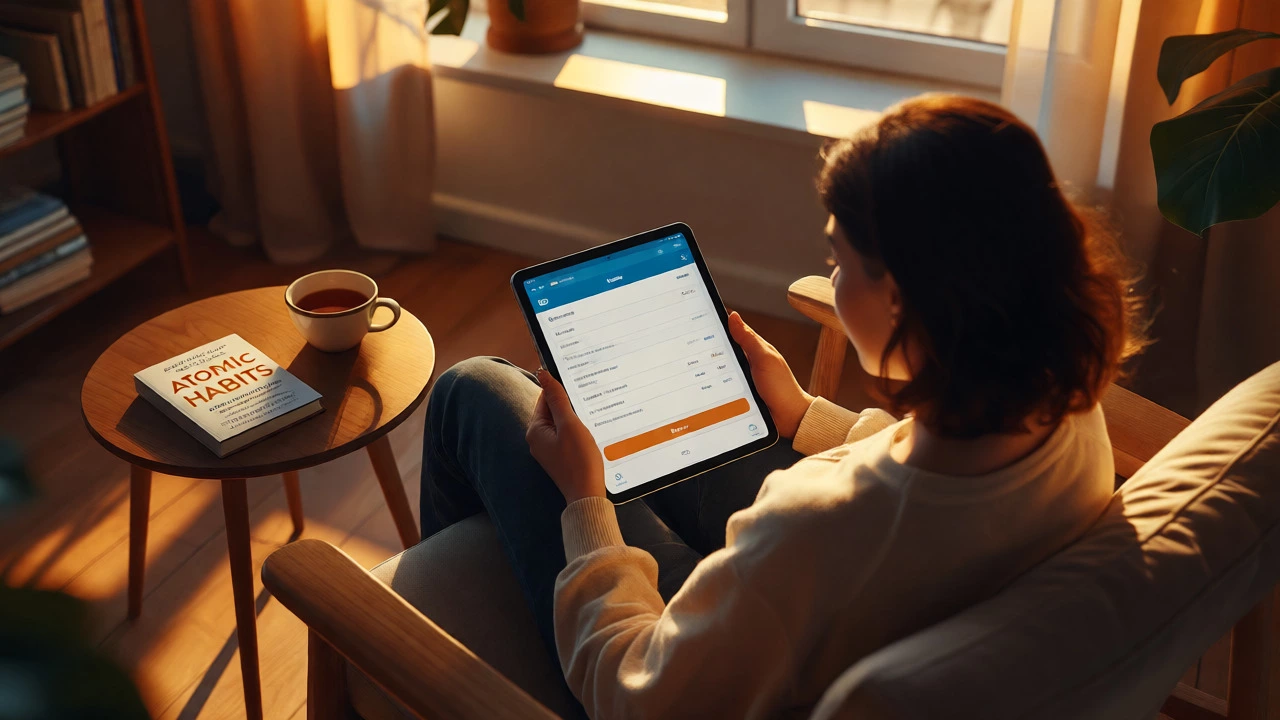
You just heard about Atomic Habits, a bestselling book by James Clear that focuses on small changes leading to remarkable results. You want to read it. But the hardcover costs $20, and you aren't sure if you'll actually finish it or just let it gather dust on your nightstand. Sound familiar? Most people assume reading requires buying new books every month. It doesn't. In fact, some of the most powerful personal development resources are completely free if you know where to look.
The problem isn't availability; it's discovery. Public libraries have shifted from dusty card catalogs to sleek digital apps. Non-profits have digitized thousands of classic titles. And major publishers often offer limited-time free reads. This guide breaks down exactly how to access these resources without spending a dime, ensuring you build a reading habit instead of a debt pile.
Key Takeaways
- Public Libraries are Digital: Use apps like Libby or Hoopla with just a library card to borrow ebooks and audiobooks instantly.
- Classic Texts are Free: Titles published before 1964 (in the US) are usually in the public domain via Project Gutenberg or Standard Ebooks.
- Libraries Have Limits: Popular new releases often have waitlists. Plan ahead or choose older, evergreen titles for immediate access.
- Audiobooks Count: Apps like Libby and Hoopla provide high-quality narrations for free, which is great for commuters.
- Check Your Local Network: Many library cards work across regional networks, expanding your catalog significantly.
Your Library Card is a Goldmine
If you haven't used your local library since elementary school, you're missing out. Modern libraries don't just lend physical books; they operate massive digital lending platforms. The key here is understanding that your tax dollars already paid for these subscriptions. You just need to log in.
Most public libraries in the US, UK, Canada, and Australia partner with two main services: Libby, an app by OverDrive that allows users to borrow ebooks and audiobooks from their local library, and Hoopla, a streaming service that offers instant access to media without waitlists but has monthly borrowing limits.
Here’s how it works in practice. You download the Libby app. You search for your library. You enter your library card number. Boom. You now have access to thousands of titles. Unlike buying a book, there’s no checkout process. You click "Borrow," and the file downloads directly to your device. If the book is popular, you might join a queue. This is the trade-off: free access comes with waiting periods for hot releases.
Hoopla differs slightly. It doesn’t use waitlists. You can borrow a book immediately. However, most libraries cap you at four to ten borrows per month. This makes Hoopla ideal for sampling many different authors quickly, while Libby is better for binge-reading specific series or waiting for major bestsellers.
Mastering Public Domain Classics
Not all self-help advice needs to be fresh. Some of the foundational texts of personal development were written decades ago, yet their principles remain timeless. Because copyright laws eventually expire, these books enter the public domain, meaning they are free to copy, distribute, and read forever.
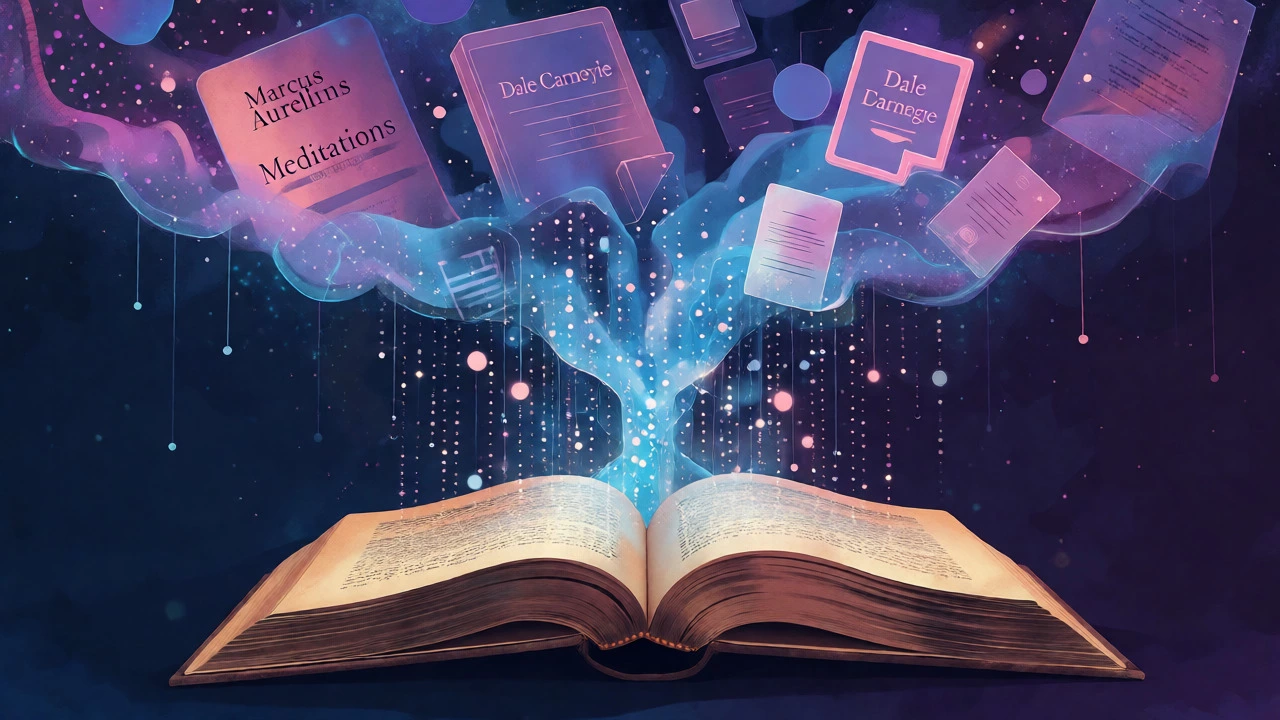
Project Gutenberg, the first digital library, founded in 1971, offering over 70,000 free eBooks, is the go-to source for this. You can find titles like Dale Carnegie’s How to Win Friends and Influence People or Marcus Aurelius’ Meditations. The catch? Formatting. Project Gutenberg files are often plain text or basic EPUBs. They lack the polished typography of modern editions.
If formatting matters to you, check out Standard Ebooks, a volunteer project that produces high-quality, professionally formatted versions of public domain books. They take public domain texts and apply professional typesetting, cover art, and error correction. Reading Seneca’s letters through Standard Ebooks feels like reading a modern publication, not a scanned PDF from 1950.
| Source | Best For | Format Quality | Wait Times |
|---|---|---|---|
| Libby (OverDrive) | New Bestsellers, Audiobooks | High (Publisher Editions) | Yes (Queue system) |
| Hoopla | Instant Access, Variety | High (Publisher Editions) | No (Monthly limits) |
| Project Gutenberg | Classics, Philosophy | Low/Medium (Basic Text) | None |
| Standard Ebooks | Classics with Good Design | High (Typeset) | None |
| Open Library | Rare Out-of-Print Books | Medium (Scanned Images) | Yes (Lending model) |
Open Library: The Internet Archive’s Gift
Sometimes you need a book that isn’t a current bestseller and isn’t old enough to be public domain. Maybe it was published in 1985 and went out of print. Where do you go? Enter Open Library, a project by the Internet Archive that aims to create one web page for every book ever published.
Open Library operates on a controlled digital lending model. Think of it as a virtual library shelf. If they have three copies of a book, only three people can read it at once. You sign up for a free account, search for your title, and click "Borrow." You get 14 days to read it. No late fees. If someone else wants it when your time is up, you lose access. Simple.
This resource is invaluable for niche topics. Want to read a specific study on cognitive behavioral therapy from the 1990s? Chances are, it’s on Open Library. The interface is clunky compared to Libby, and the reader is web-based rather than app-first, but the depth of the catalog is unmatched. It bridges the gap between brand-new releases and ancient classics.
Publisher Promotions and Newsletter Swaps
Authors and publishers want reviews. To get them, they often give away copies. This isn’t just for influencers. Regular readers can participate too.
Platforms like NetGalley allow you to request advance copies of upcoming books. While primarily for professionals, many publishers open slots to general readers who promise to leave an honest review on Amazon or Goodreads. You won’t always get the latest Oprah pick, but you might snag a solid self-help book two months before its release date.
Additionally, subscribe to newsletters from major publishers like Penguin Random House or HarperCollins. They frequently send out "Read with Us" campaigns where they offer a free chapter or sometimes a full short-form ebook in exchange for your email address. These are often curated lists titled "5 Books to Change Your Life," and they’re genuinely helpful because they’re edited by human curators, not algorithms.
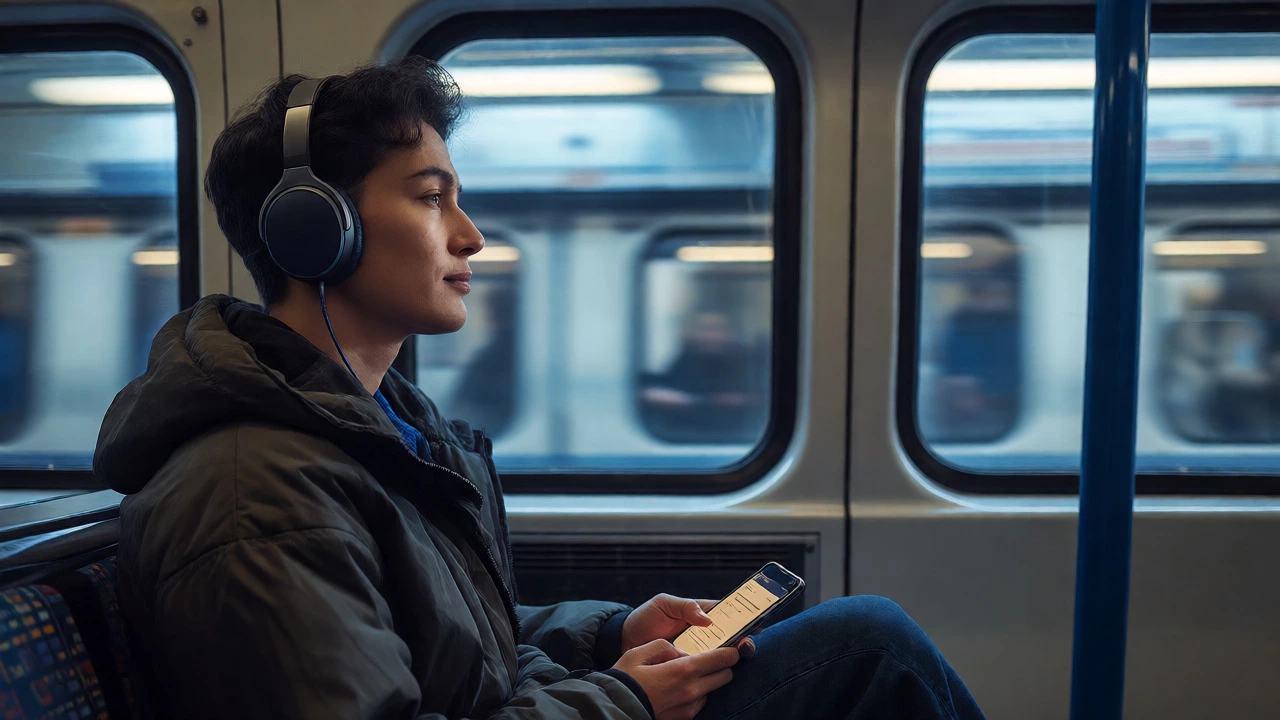
Audible and Spotify: The Audio Angle
Reading with your eyes is great, but listening frees up your hands. If you commute, exercise, or cook, audiobooks are efficient. Do you need to pay for Audible? Not necessarily.
Spotify, a music streaming service that recently expanded into podcasts and audiobooks, has started including select audiobooks in its premium subscription. Check your plan details. Sometimes, top sellers are included for subscribers. Even if you’re on the free tier, you can listen to ad-supported podcast episodes that summarize self-help books, giving you the core ideas in 30 minutes.
Also, remember Libby’s audio section. Many people ignore it, assuming audiobooks cost extra. They don’t. If you have a library card, you can borrow the audiobook version of Thinking, Fast and Slow just as easily as the ebook. The narration quality is identical to what you’d buy on Audible. The only downside is the same waitlist issue for popular titles.
Building a Sustainable Reading Habit
Free access solves the money problem, but it doesn’t solve the discipline problem. When books cost nothing, we tend to value them less. We start five books and finish none. Here is a strategy to fix that.
First, limit your active borrows. Libby lets you manage your loans. Don’t hoard ten books. Borrow one or two at a time. Second, set expiration dates mentally. Since borrowed books disappear automatically, treat the return date as a deadline. Third, mix formats. If you’re struggling with dense text, switch to the audiobook version available on the same platform. Changing the medium can reset your focus.
Finally, track your progress. Use a simple spreadsheet or an app like Goodreads to log what you’ve read. Seeing a visual representation of your completed books creates momentum. You’ll realize you’ve read twelve self-help books this year-all for free. That realization alone is worth more than any single purchase.
Frequently Asked Questions
Do I need a special library card for Libby?
No, you typically use your standard public library card. However, some library systems require you to register specifically for digital services or verify your residency online. Check your local library’s website for digital membership options if you don’t live within city limits.
Are all books on Project Gutenberg free?
Yes, everything on Project Gutenberg is in the public domain, meaning the copyright has expired. This generally applies to books published before 1964 in the United States. You can download, copy, and share these files legally without paying.
Can I read self-help books offline?
Yes. Apps like Libby and Hoopla allow you to download books to your device for offline reading. Once downloaded, you don’t need an internet connection until the loan period expires. This is perfect for flights or subway commutes with poor signal.
What happens if I don’t finish a borrowed book?
Nothing bad. There are no late fees. When your loan period ends (usually 14 or 21 days), the book automatically disappears from your device. If you still want to read it, you can simply renew it if no one else is waiting, or re-borrow it later.
Is Open Library legal?
Yes, Open Library operates under a legal framework called Controlled Digital Lending. They scan physical books held in libraries and lend out digital copies one-for-one. While there have been lawsuits regarding this model, the service remains operational and widely used by researchers and readers globally.