V-Sign Gesture Checker
Is Your V-Sign Offensive in the UK?
In England, the direction of your palm makes all the difference. An inward-facing V-sign is considered offensive, while an outward-facing one means peace.
If you’ve ever seen someone in England flash a quick V-sign with their palm facing inward and thought it was just a peace sign, you’re not alone. But in the UK, that same gesture - especially when done with attitude - can be one of the most insulting things you can do. It’s not just awkward. It’s deeply offensive. And if you’re visiting, you could accidentally start a fight without even knowing it.
What Exactly Is the V-Sign in England?
The gesture is simple: you raise your index and middle fingers in a V shape. But the direction of the palm changes everything. When the palm faces outward - like you’re taking a photo - it means peace or victory. That’s the version you see at sports events or in old wartime photos. But when the palm faces inward, toward the person making the gesture, it’s a centuries-old insult. In England, it’s equivalent to flipping someone off in the U.S.
It’s called the "two-finger salute," or more commonly, "the finger." Locals don’t always say it out loud, but everyone knows what it means. Tourists often do it by accident - thinking they’re being friendly, taking a selfie, or just mimicking what they’ve seen in movies. But in the UK, the inward-facing V is loaded with history. It dates back to the Hundred Years’ War, when English archers supposedly used the gesture to taunt French soldiers who cut off their fingers to stop them from drawing bows. The archers would show their still-intact fingers and say, ‘See? We can still shoot.’ Over time, it turned from a symbol of defiance into a crude insult.
Where You’ll See It - And Who Uses It
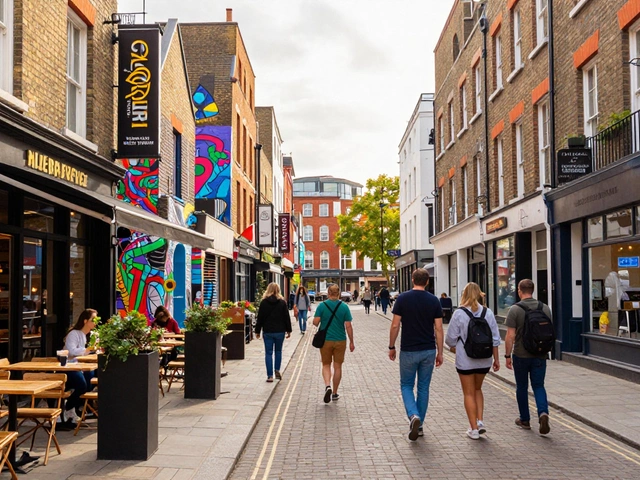
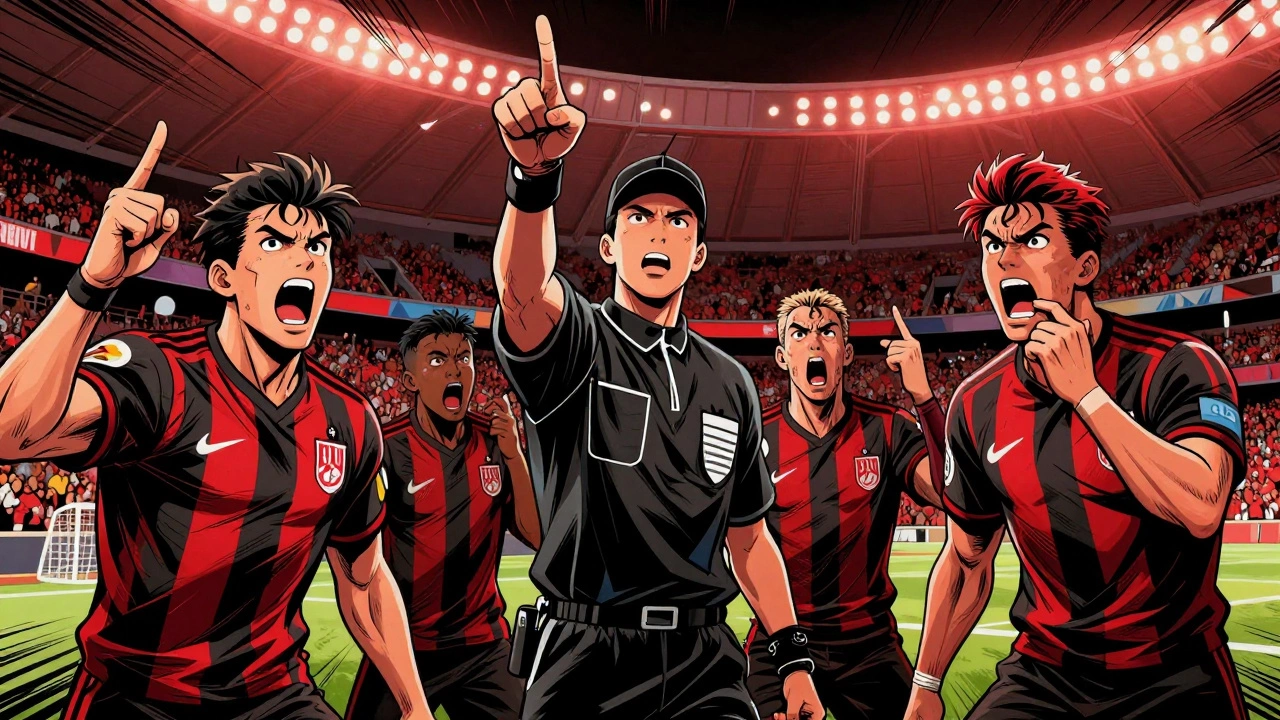
You won’t usually see this gesture aimed at strangers in quiet streets. It’s not polite. But you’ll spot it in places where frustration runs high. Football matches are the most common scene. Fans will flip the V at rival supporters, referees, or even their own team if things go badly. It’s common on public transport too - especially if someone cuts in line or the train is late. A quick, sharp flick of the fingers, palm inward, and the message is clear: "You’re an idiot."
It’s not just for angry adults. Teenagers in cities like Manchester, Liverpool, or London use it as a casual insult. You might see a kid on a bus do it to a classmate who stole their seat. It’s not always violent, but it’s always meant to sting.
Why Tourists Keep Getting It Wrong
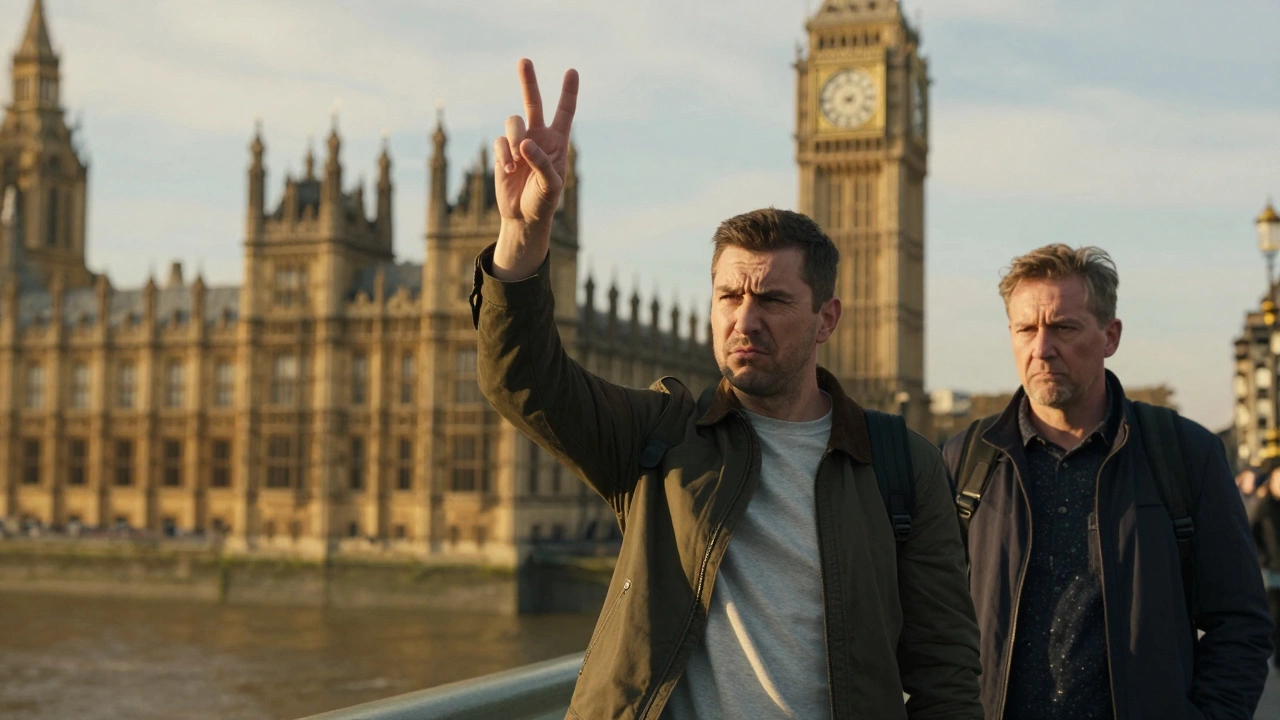
Most people learn the V-sign as a universal peace symbol. Hollywood movies, YouTube videos, and Instagram posts all show it with the palm out. So when a tourist stands in front of Big Ben, raises their fingers, and smiles for a photo - they think they’re being cute. But if they accidentally turn their hand inward - even by a few degrees - they’re sending a completely different message.
One American visitor in London told me she did it while posing with the London Eye. A nearby local stared at her, then muttered, "You’re lucky I didn’t hit you." She didn’t understand why until a British friend explained it. She had no idea the angle mattered. And she wasn’t alone. A 2023 survey by the British Travel Association found that 37% of international visitors didn’t know the difference between the two versions of the V-sign. That’s nearly four in ten people walking around the UK unknowingly offending locals.
How to Avoid the Mistake
Here’s how to stay safe:
- Always check your palm. If you’re taking a photo with the V-sign, make sure your palm is facing the camera - not the person next to you.
- Don’t do it unless you mean it. Even if you’re trying to be funny, don’t flash it at anyone. Not a friend. Not a stranger. Not even in a group photo.
- When in doubt, don’t do it. If you’re unsure, just use your thumbs up or a smile. Both are universally understood and safe.
- Watch how locals do it. If you see someone doing the V-sign in a crowd, look at their hand. If the palm faces outward, it’s okay. If it’s inward, it’s not.
There’s no need to be paranoid. Most people won’t react violently. But in the UK, gestures carry weight. A small mistake can turn a friendly trip into an uncomfortable moment - or worse.
Other Hand Gestures to Avoid in the UK
The V-sign isn’t the only one that can trip you up. Here are a few others:
- Thumbs up. In most places, this means "good job." In the UK, it’s fine - but don’t do it with your hand hanging out of a car window. That’s seen as aggressive.
- OK sign. Forming a circle with your thumb and index finger is harmless in the U.S. But in the UK, it’s sometimes used to imply someone is "crazy" or "weird." Not deadly offensive, but not polite either.
- Pointing. Pointing directly at someone is considered rude. Use an open hand or nod instead.
- Hand on hip. Standing with one hand on your hip and the other on your waist can look like you’re trying to look tough. Locals might misread it as aggression.

What to Do If You Accidentally Do It
If you realize you’ve made the mistake - maybe you saw someone scowl, or heard a muttered curse - don’t panic. Don’t try to explain. Don’t say, "Oh, I didn’t mean it!" That just makes it worse.
Instead, do this:
- Stop immediately.
- Turn your hand so the palm faces outward - the peace sign.
- Give a small, sincere nod or smile.
- Walk away calmly.
Most people will accept the correction. They know tourists make mistakes. But if you act like it’s no big deal, or laugh it off, you’ll make things worse.
Why This Matters Beyond Just Avoiding Offense
Understanding body language isn’t just about avoiding awkward moments. It’s about respect. The UK has a culture that values politeness - even if it’s quiet, subtle, or buried under sarcasm. A simple gesture like the V-sign might seem minor, but it’s tied to history, identity, and social norms.
When you take the time to learn these small rules, you’re not just avoiding trouble. You’re showing you care enough to understand the place you’re visiting. And that goes a long way.
Most British people won’t hold a mistake against you forever. But they’ll remember how you handled it. A quick apology, a genuine smile, and a change in behavior? That’s the kind of traveler people remember fondly.
Is the V-sign offensive in all of the UK?
Yes, the inward-facing V-sign is widely understood as offensive across England, Scotland, Wales, and Northern Ireland. While some rural areas may be less likely to react strongly, the meaning is universally recognized. Don’t assume it’s safe just because you’re in a quiet town.
Can I use the V-sign in photos with landmarks?
Yes - but only if your palm is facing the camera. Make sure your hand is angled so the V points toward the lens, not the person next to you. If you’re unsure, hold your hand at arm’s length and check the reflection in your phone screen. Better safe than sorry.
Do British people use the V-sign to mean peace at all?
Yes - but only when the palm faces outward. It’s common at concerts, sports games, and in old photos. But even then, it’s not as common as it used to be. Younger people tend to use it less, and often only in ironic or nostalgic ways.
What if someone does the V-sign at me? Should I respond?
No. Don’t react. Don’t flip it back. Don’t argue. Just walk away. Most of the time, it’s a momentary outburst - not a personal attack. Responding will only escalate things. Stay calm, keep moving, and don’t give them the satisfaction.
Are there any gestures that are safe and friendly in the UK?
Absolutely. A simple smile, a nod, or a thumbs-up (with hand inside the car) are all safe. If you want to show approval, say "well done" or "nice one." British people appreciate polite words more than flashy gestures.
Final Tip: When in Doubt, Keep It Simple
The best travel advice isn’t about memorizing every rule. It’s about staying aware. If you’re not sure whether a gesture is okay, don’t do it. Smile instead. Nod. Say thank you. These simple things work everywhere - and they’ll make you look like the kind of traveler people actually like.