Decluttering Decision Tool
The Golden Rule of Decluttering
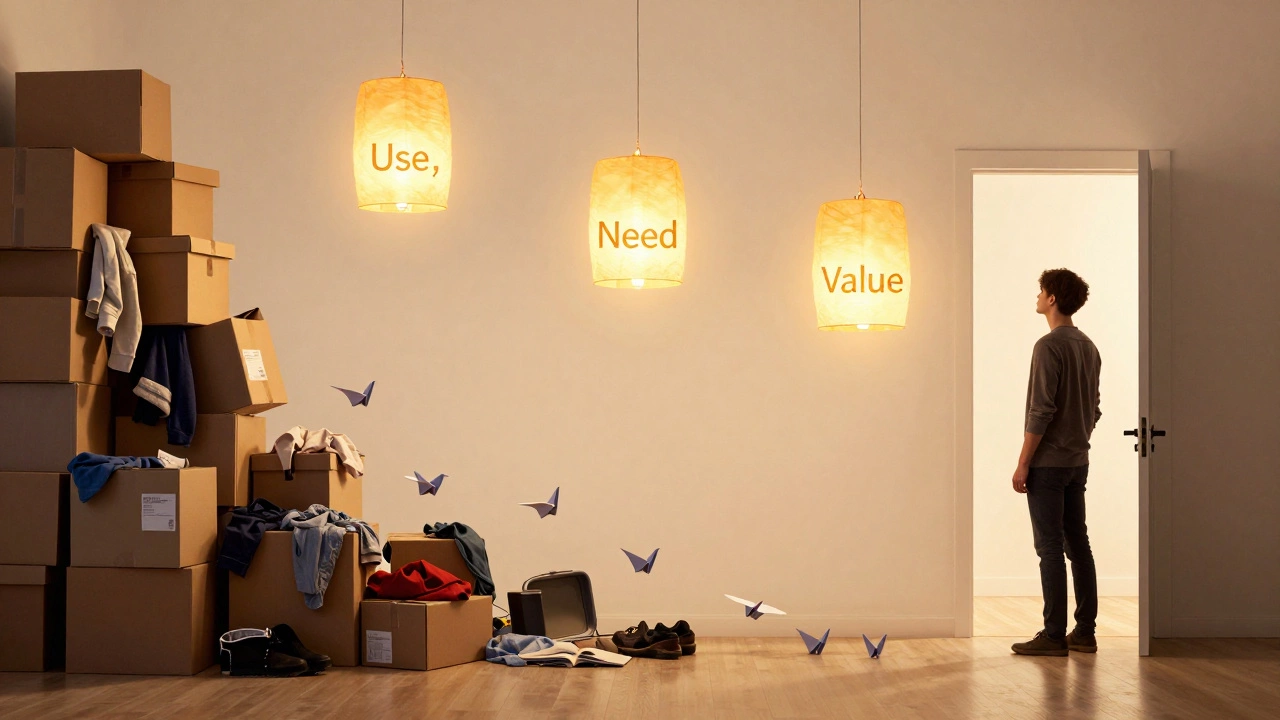
Use
Need
Value
Keep only what you use, need, or truly value.
1. Use
Does this item have a regular job in your daily/weekly routine?
2. Need
Is this essential to your life right now?
3. Value
Does this item actually bring meaningful value to your life?
You’ve probably tried decluttering before. You spent a weekend tossing old clothes, donating unused gadgets, and stacking boxes in the garage. But a month later? The mess is back. You’re not lazy. You’re not failing. You just didn’t follow the golden rule of decluttering.
The Golden Rule Isn’t About Throwing Things Away
The golden rule of decluttering isn’t ‘get rid of everything you don’t love’ or ‘if you haven’t used it in a year, toss it.’ Those sound nice, but they don’t stick. The real rule is simpler, deeper, and works every time: Keep only what you use, need, or truly value.
Notice the order. It’s not ‘love’-that’s too emotional. It’s not ‘memories’-that’s too vague. It’s use, need, value. These are measurable. You can test them. You can feel them in your hands.
Think about that coffee maker you bought on sale three years ago. You never use it. You don’t even like the taste of the coffee it makes. But you keep it because ‘it was expensive’ or ‘someone gave it to me.’ That’s not value. That’s guilt. That’s clutter wearing a mask.
Use: Does It Have a Regular Job?
Use means function. Does this thing show up in your daily or weekly routine? If you’ve opened it once in the last 12 months, it’s not being used. That’s not a collection-it’s storage.
Take kitchen gadgets. How many spatulas do you need? One. How many baking sheets? Two. A third one? It’s just taking up space. Same with tools. That drill you bought for one shelf? You haven’t touched it since. You don’t need it. You need a reliable local tool library, not a garage full of unused equipment.
Test this: Next time you open a drawer, pick up one item. Ask: ‘When was the last time I used this?’ If you can’t remember, put it in a box. Leave the box in your closet for 30 days. If you don’t reach for it? You already knew the answer.
Need: Is It Essential to Your Life Right Now?
Need is different from want. Need is survival. Need is safety. Need is health.
Your winter coat? Need. Your 12-year-old laptop that barely turns on? Not a need. You can borrow, rent, or replace it. Your emergency first-aid kit? Need. Your collection of vintage postcards from trips you never took? Not a need.
People confuse ‘I might need it someday’ with actual need. That’s the biggest trap. ‘Someday’ is a ghost. It doesn’t exist. If you’re not using it now, and you have no concrete plan to use it in the next six months, it’s not a need. It’s a burden.
Try this: Go through your closet. Pull out every item you haven’t worn in 12 months. Now ask: ‘If I lost this tomorrow, would I replace it?’ If the answer is no, it’s not a need. Let it go.
Value: What Does It Actually Bring to Your Life?
This is where people get stuck. Value isn’t about price. It’s about presence. Does this object make you feel calm? Inspired? Connected? Or does it just sit there, silently screaming for attention?
That painting your grandmother gave you? If it makes you smile every time you walk past it? That’s value. That stack of unread books you keep ‘for inspiration’? If they just gather dust and make you feel guilty? That’s not value. That’s emotional clutter.
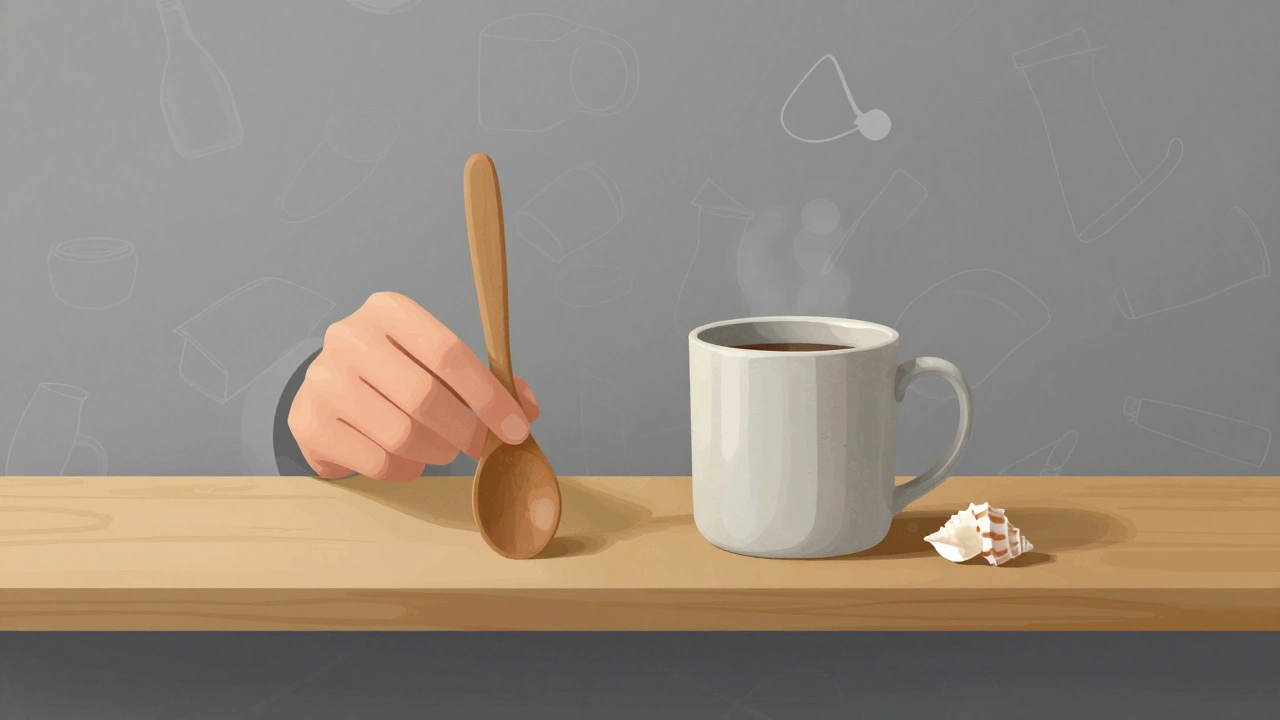
Value doesn’t have to be expensive. It doesn’t even have to be pretty. It just has to matter. A single seashell from your first beach trip with your kids? That’s value. A matching set of 10 ceramic mugs you bought because they were on sale? Not value. Just stuff.
Ask yourself: ‘If I could only keep three things from this room, what would they be?’ That’s your value filter. Use it to cut the noise.
Why ‘Love It’ Fails
So many decluttering guides say ‘keep only what you love.’ That sounds warm. It sounds peaceful. But it’s misleading.
Love is fleeting. You loved that sweater when you bought it. You loved that phone when you got it. You loved that relationship. But love changes. It fades. It gets replaced.
What stays? What lasts? Use, need, value. These don’t depend on mood. They don’t care if you’re having a bad day. They’re real. They’re measurable. They’re honest.
And here’s the truth: You don’t need to love your toothbrush. You just need it to work. You don’t need to love your socks. You just need them to keep your feet warm. That’s enough.
The 3-Question Test (Use, Need, Value)
Here’s how to apply the golden rule in practice:
- Hold the item. Look at it. Don’t rush.
- Ask: Do I use this? If yes, keep it. If no, move to the next question.
- Ask: Do I need this? If yes, keep it. If no, move to the next question.
- Ask: Does this add real value to my life? If yes, keep it. If no, let it go.
If the answer is ‘no’ to all three? Put it in the donation box. No guilt. No ‘maybe.’ Just action.
This works for clothes, books, kitchenware, electronics, toys, even sentimental items. It’s not about being harsh. It’s about being clear.
What Happens When You Follow This Rule?
When you stop keeping things out of habit, guilt, or fear, something shifts. Your space gets lighter. Your mind does too.
You stop wasting time looking for things. You stop feeling overwhelmed walking into your own home. You stop buying replacements because you forgot what you already had.
People who follow this rule report sleeping better. They feel more in control. They spend less money. They stop feeling guilty about clutter because they know exactly why they kept what they kept.
It’s not magic. It’s clarity.
Common Mistakes (And How to Avoid Them)
Even with the golden rule, people slip up. Here’s what goes wrong-and how to fix it:
- ‘I might need this someday’ → Ask: ‘What’s the specific plan?’ If you can’t name it, it’s not a plan. It’s a fantasy.
- ‘It was a gift’ → The gift was the thought, not the object. You can honor the person without keeping the thing.
- ‘It’s still in good condition’ → So is a 10-year-old phone. Good condition doesn’t mean useful.
- ‘I’ll sort it later’ → ‘Later’ is where clutter goes to die. Do it now. Even if it’s just one drawer.
The key is consistency, not perfection. You don’t have to declutter your whole house in a weekend. Just do one drawer. Then one shelf. Then one corner. Slowly, your space becomes a reflection of your life-not your past habits.
Real-Life Example: My Kitchen
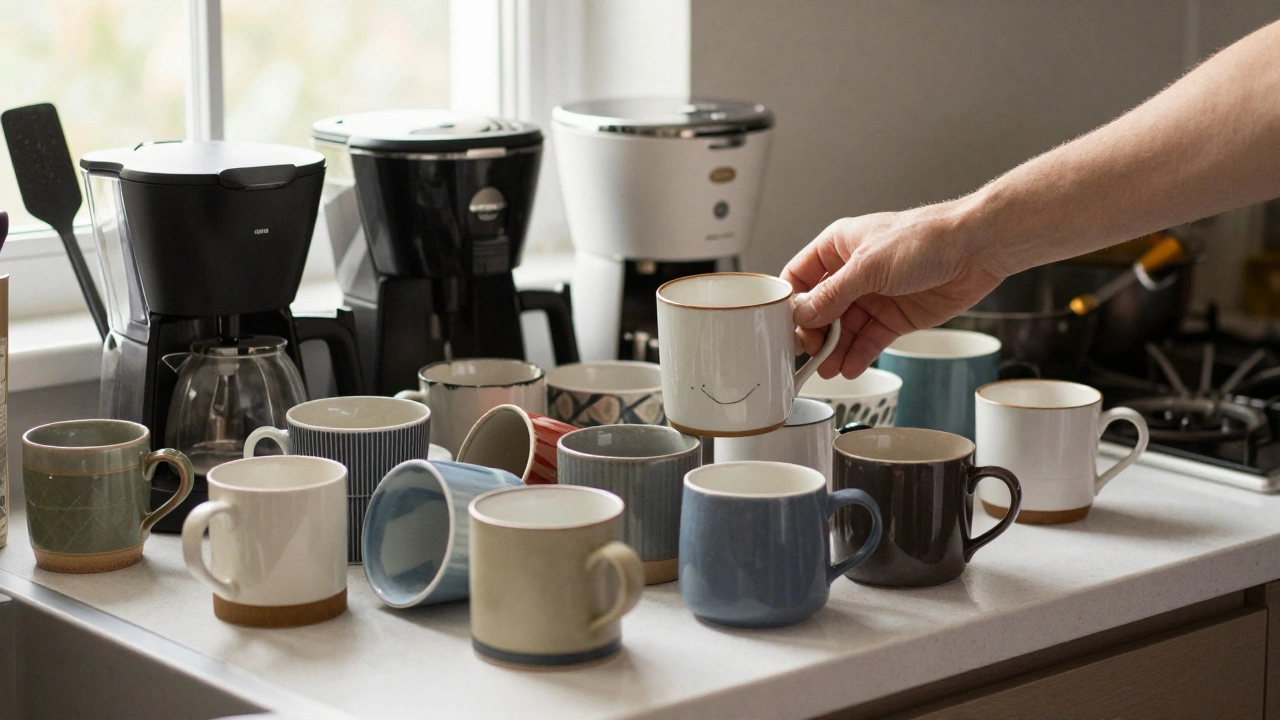
Two years ago, my kitchen had 17 mugs, 5 coffee makers, 8 spatulas, and 3 different measuring cups that didn’t match. I kept them because ‘they were nice’ or ‘I might need the extra one.’
I applied the three questions:
- Use? Only one coffee maker gets used daily. The others? Unused.
- Need? One set of measuring cups is enough. The rest? Extra.
- Value? Only two mugs made me happy. The rest? Just mugs.
I kept: one coffee maker, one set of measuring cups, two mugs, three spatulas (one silicone, one metal, one wooden). Everything else went to the donation center.
Now? My kitchen feels open. I find what I need in seconds. I don’t stress about cleaning up. And I’ve saved money because I stopped buying replacements.
Start Small. Stay Consistent.
You don’t need a full weekend. You don’t need a professional organizer. You just need to ask three questions, one item at a time.
Try this today: Pick one drawer. One shelf. One corner. Use the three-question test. Don’t think about the rest of the house. Just this one spot.
If you do it right, you’ll feel lighter. Not because you threw things away-but because you finally stopped carrying what didn’t belong to you anymore.
What Comes After Decluttering?
Decluttering isn’t the end. It’s the beginning. Once your space is clear, you start noticing what you really want. You start making better choices. You stop buying things to fill a void. You start living with intention.
That’s the real power of the golden rule. It doesn’t just clean your home. It clears your mind.