Meal Prep Time Calculator
Most people start meal prep with big dreams: home-cooked meals every day, no more takeout, savings on food, better energy. Then, by Wednesday, the containers are sitting in the fridge, half-empty, and you’re scrolling through delivery apps again. Why? Because the schedule was wrong. A good meal prep schedule isn’t about cooking everything on Sunday. It’s about working with your life, not against it.
Stop Trying to Cook Everything on Sunday
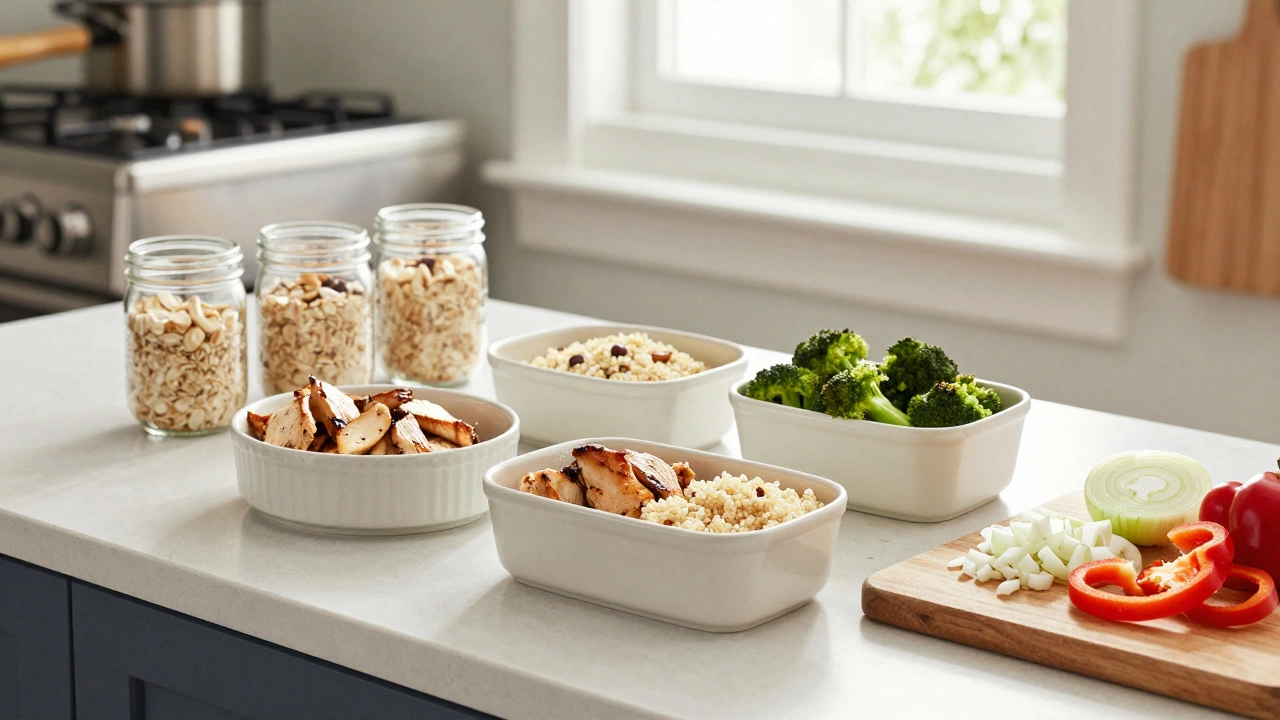
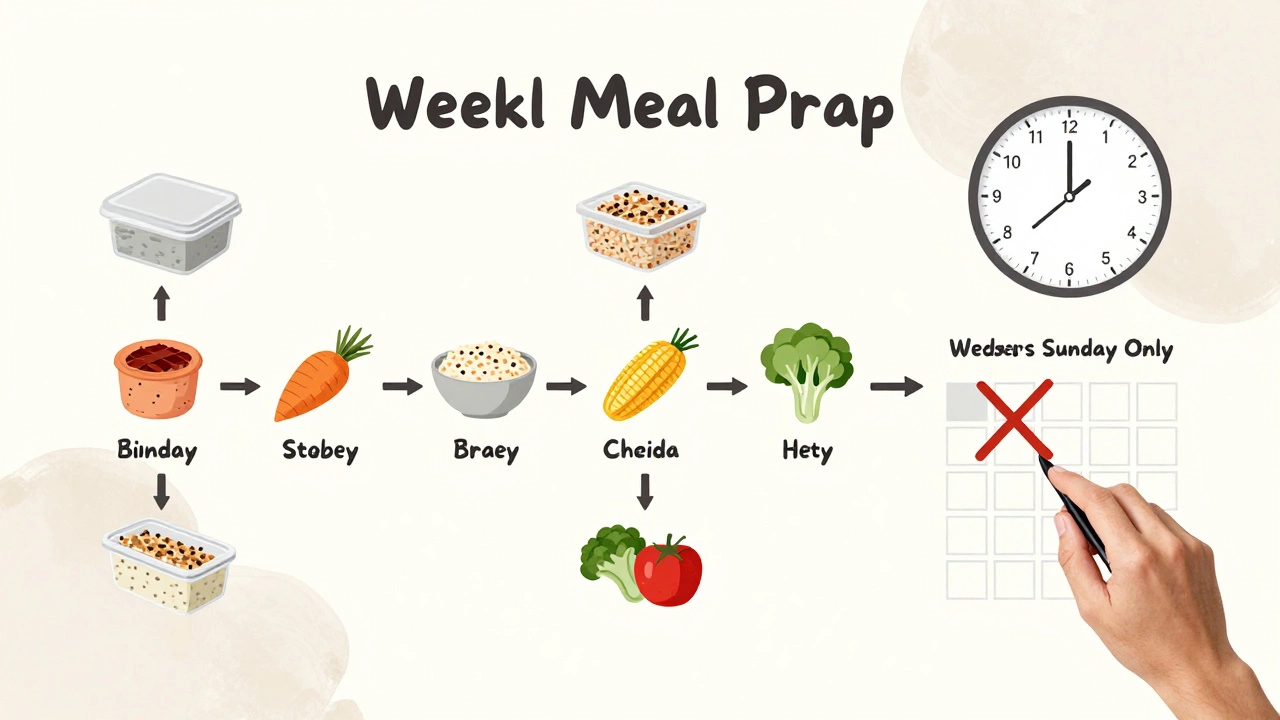
The classic Sunday meal prep myth is broken. If you’re not a professional chef with four hours to spare, trying to cook seven days’ worth of meals in one go is a recipe for burnout. You’ll end up with soggy broccoli, rubbery chicken, and resentment. A better approach? Break it into chunks.Instead of one long session, split your prep into two 90-minute blocks: one on Sunday and one on Wednesday. Sunday: cook proteins, roast veggies, make grains, and portion out breakfasts. Wednesday: refresh greens, prep lunches for the second half of the week, and make snacks. This keeps food fresh and your energy up.
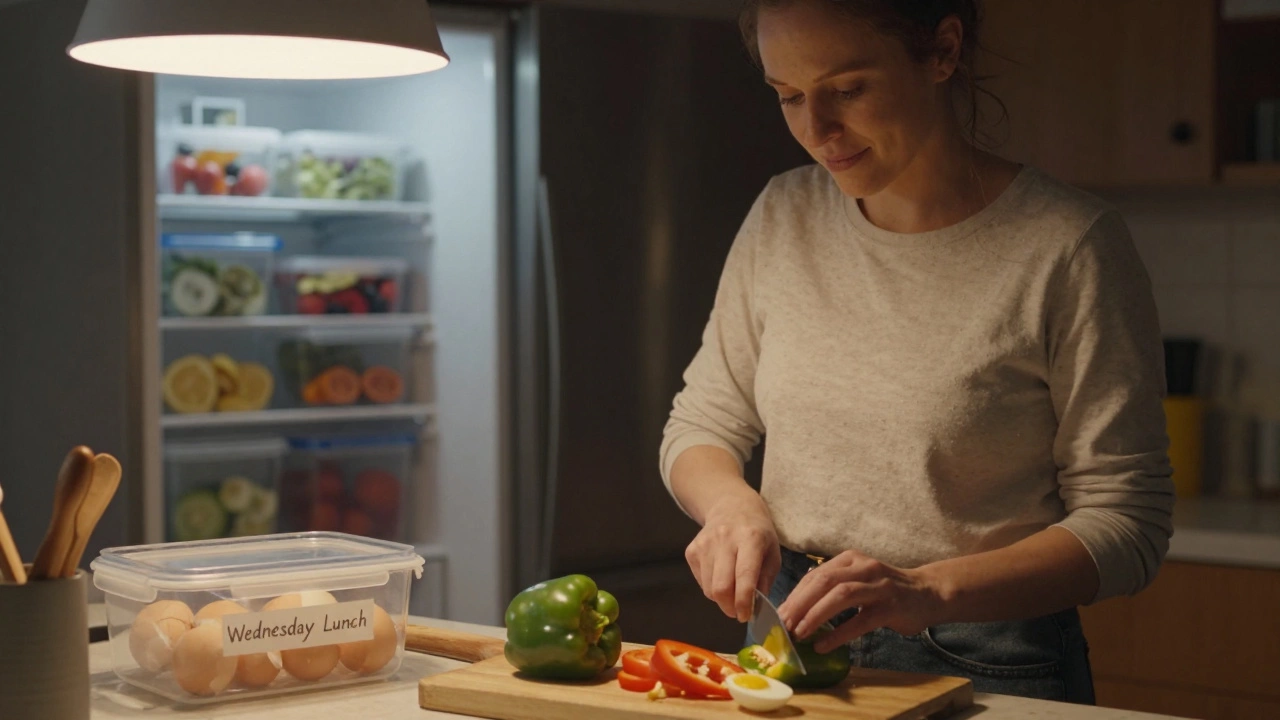
Real people do this. Sarah, a nurse working 12-hour shifts, preps grilled chicken and quinoa on Sunday. On Wednesday, after her night shift, she chops bell peppers, hard-boils eggs, and tosses together salad jars. She doesn’t feel overwhelmed. She eats well. And she never skips dinner.
Build Your Schedule Around Your Week
Your meal prep schedule should match your rhythm, not a Pinterest post. Ask yourself:- Do you have late meetings on Tuesdays and Thursdays? Prep grab-and-go wraps for those days.
- Do you cook dinner on Friday? Skip prepping Friday’s dinner entirely.
- Do you have kids’ soccer practice on Wednesday? Prep smoothie packs so you can blend while they change shoes.
Start by mapping out your week. Mark the nights you’ll eat out, order in, or have a quick meal. Then plan your prep around the days you actually need food ready. You don’t need to prep for Monday through Sunday. You need to prep for Monday, Tuesday, Thursday, and Saturday.
Here’s a sample schedule for a typical workweek:
- Sunday (90 minutes): Cook 3 proteins (chicken, beans, tofu), roast 2 trays of veggies, cook 2 cups of rice or quinoa, portion 4 breakfasts (overnight oats or egg muffins).
- Monday: Eat prepped meals. No prep needed.
- Tuesday: Eat prepped meals. No prep needed.
- Wednesday (60 minutes): Chop fresh greens, prep 3 lunches (grain bowls with new veggies), make 5 snack packs (nuts, fruit, cheese), cook a simple soup or stew for Friday.
- Thursday: Eat prepped meals.
- Friday: Eat your prepped soup or stew. No extra prep.
- Saturday: Eat what you prepped on Sunday. Or cook something fun-this is your free night.
You’re not cooking every day. You’re cooking smart.
Use the 3-2-1 Rule for Simplicity
If you’re overwhelmed by options, use the 3-2-1 rule:- 3 proteins to rotate: chicken, beans/lentils, tofu or eggs.
- 2 grains to base meals: brown rice, quinoa, farro, or whole wheat pasta.
- 1 fresh veggie to add midweek: spinach, broccoli, bell peppers, or zucchini.
That’s it. You don’t need 10 recipes. You need 3 proteins, 2 grains, and one veggie you love. Mix and match. Roast chicken with rice and broccoli on Sunday. Same chicken with quinoa and peppers on Tuesday. Same chicken with pasta and spinach on Thursday.
Why this works: your brain doesn’t have to decide what to make. You’re not staring at the fridge wondering if you should try that new recipe. You’ve got a system. And systems beat motivation every time.
Prep What Actually Saves You Time
Not everything needs to be prepped. Focus on the things that actually cut time during the week:- Proteins: Cooked chicken, hard-boiled eggs, lentils, tofu-these take time to prepare and are easy to reuse.
- Grains: Rice, quinoa, barley-these cook in bulk and last 5 days.
- Chopped veggies: Onions, peppers, carrots-pre-chopped veggies cut 10 minutes off your dinner prep.
- Breakfasts: Overnight oats, egg muffins, chia pudding-these take 5 minutes to assemble and zero minutes to eat.
- Snacks: Portion out nuts, cheese cubes, apple slices, hummus cups.
Don’t prep:
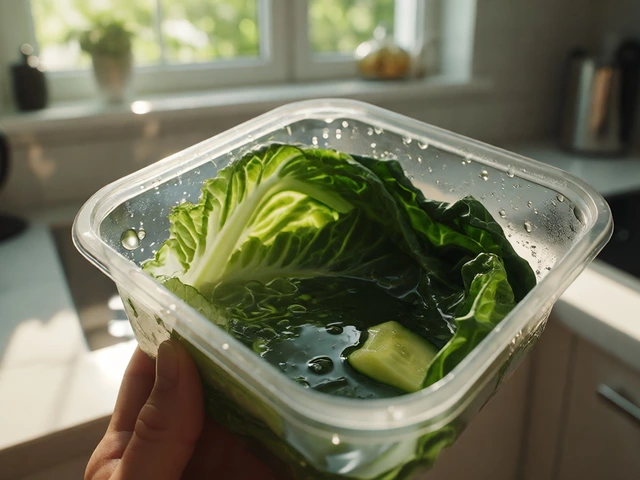
- Salads with dressing (they get soggy).
- Fried foods (they turn greasy).
- Whole roasted potatoes (they get mushy).
- Anything with avocado (add it fresh).
One woman I talked to, Lisa, a single mom of two, stopped prepping salads. Instead, she keeps bags of pre-washed spinach and cherry tomatoes in the fridge. Every night, she tosses them with a dressing packet and a protein she already cooked. It takes 2 minutes. She eats better. Her kids eat better. And she’s not wasting food.
Keep Your Fridge Organized So You Actually Use It
A good schedule means nothing if you can’t find your food. Use clear containers. Label them with the day and contents. Put older meals in front. Put snacks at eye level.Here’s how to organize your fridge for meal prep:
- Top shelf: Leftovers, cooked proteins, ready-to-eat meals.
- Middle shelf: Prepped grains and beans.
- Bottom shelf: Raw veggies and fruits.
- Door: Sauces, dressings, snack packs.
Use sticky notes or a whiteboard on the fridge to write: “Monday: Chicken & Rice” or “Wednesday: Lentil Bowl.” Visual cues keep you on track. You’re less likely to eat cereal if you can see your prepped meals staring back at you.
What to Do When Life Throws a Curveball
You’re not going to stick to this perfectly. That’s fine. A good schedule is flexible.Missed your prep day? Don’t quit. Do this:
- Use frozen veggies-they’re just as nutritious and take 5 minutes to steam.
- Buy pre-cooked grilled chicken from the grocery store (yes, really).
- Make a 10-minute stir-fry with rice and whatever’s left in the fridge.
- Use a slow cooker: dump beans, canned tomatoes, spices, and chicken in the morning. Dinner’s done by 6 p.m.
One guy I know, Mark, a freelance designer, missed his Wednesday prep because he had a client deadline. He didn’t stress. He opened his freezer, grabbed a bag of frozen stir-fry veggies, tossed them with pre-cooked quinoa and a store-bought teriyaki sauce. He ate. He felt good. He didn’t order pizza.
Track What Works-Then Adjust
After two weeks, ask yourself:- Which meals did I actually eat?
- Which ones sat there and went bad?
- Did I save time? Did I save money?
- Did I feel less stressed about dinner?
Write it down. Not in a fancy app. Just on a sticky note. If you didn’t eat the tofu stir-fry twice, drop it. If you loved the black bean bowls, make them every week. Your schedule should evolve.
Meal prep isn’t about perfection. It’s about reducing daily decision fatigue. It’s about knowing your food is ready when you’re tired. It’s about eating well without spending your weekends in the kitchen.
Start small. Pick one day to prep. Pick one meal. Just do that. Then build from there. You don’t need to be a meal prep guru. You just need a schedule that fits your life.