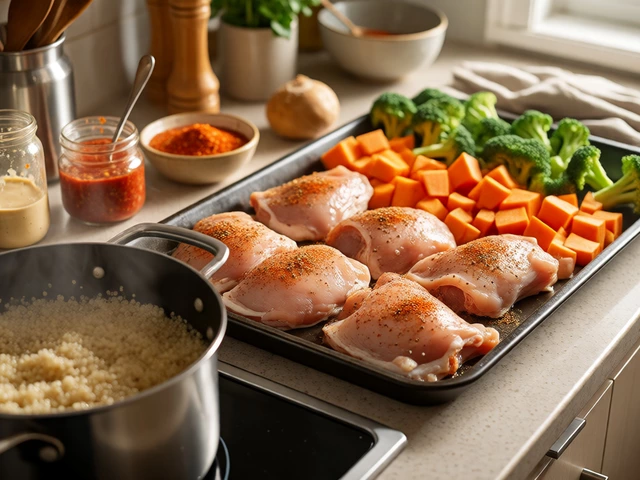
Tummy Fat Diet Planner & Calculator
Enter your details below to calculate the specific macronutrient targets recommended for targeting stubborn belly fat.
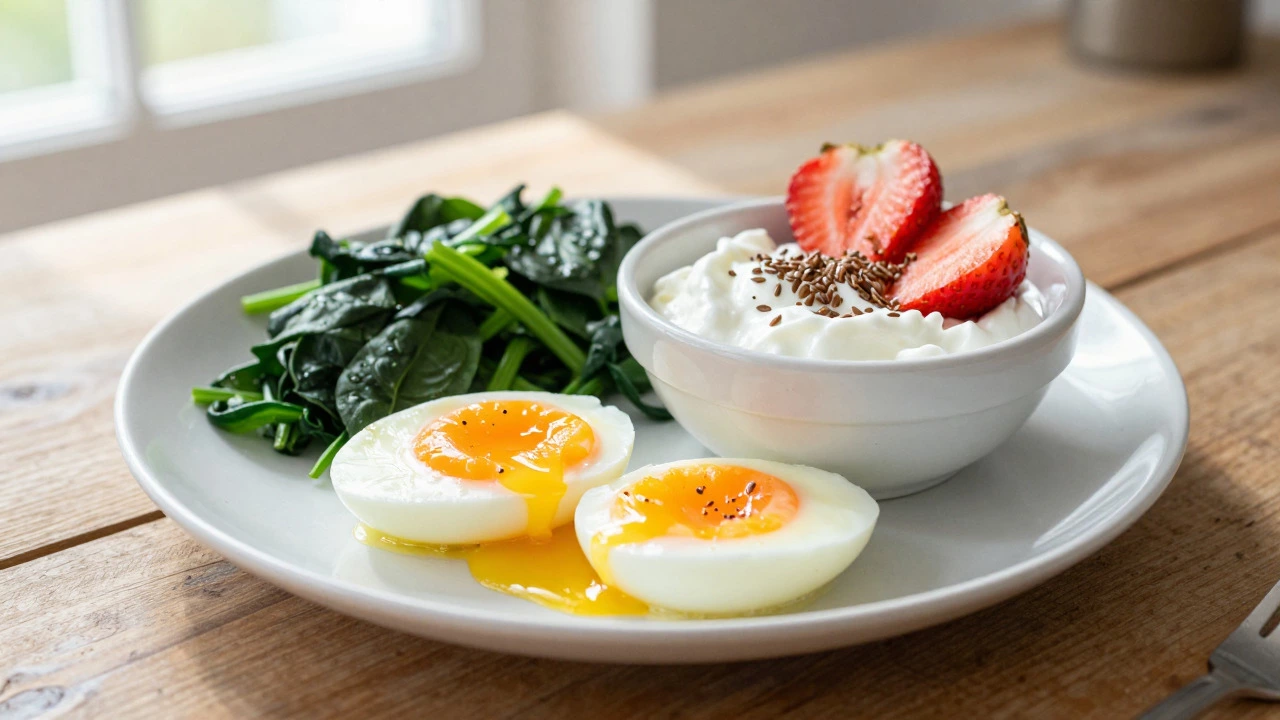
Sample High-Protein Breakfast Idea
Loading...
That stubborn band around your waist is rarely about doing more crunches. It’s about what lands on your plate. If you’ve been cutting calories but the belly won’t budge, the issue might be the quality of your fuel, not just the quantity. To lose tummy fat, you need to shift from generic “healthy” eating to a specific nutritional strategy that targets visceral fat-the dangerous kind stored around your organs.
You don’t need to starve yourself or eliminate entire food groups. You need to prioritize specific nutrients that regulate insulin, reduce inflammation, and keep you full longer. Here is exactly what works, based on current nutritional science and practical meal planning.
The Core Principle: Protein First
If you only change one thing in your diet, make it your protein intake. High-protein foods are the single most effective dietary tool for reducing abdominal fat. Why? Because protein has a higher thermic effect than carbs or fats, meaning your body burns more energy digesting it. More importantly, it suppresses ghrelin, the hunger hormone, so you naturally eat fewer calories without feeling deprived.
Aim for 1.6 to 2.2 grams of protein per kilogram of body weight daily if you are active. This isn’t just about muscle building; it’s about metabolic efficiency. When you hit your protein target, you tend to snack less and crave sweets less. Think of every meal as having a protein anchor first, then adding everything else around it.
- Eggs: Two boiled eggs contain about 12g of protein and healthy fats that keep you satiated for hours.
- Greek Yogurt: One cup provides roughly 20g of protein. Choose plain, unsweetened varieties to avoid hidden sugars.
- Legumes: Lentils and chickpeas offer both protein and fiber, making them a dual-threat against hunger and blood sugar spikes.
- Fish: Salmon and mackerel provide omega-3 fatty acids, which help reduce inflammation linked to fat storage.
Fiber That Actually Works: Soluble vs. Insoluble
Not all fiber is created equal when it comes to belly fat. While insoluble fiber helps with digestion, Soluble Fiber is a type of fiber that dissolves in water to form a gel-like substance, slowing down digestion and reducing appetite. This gel slows nutrient absorption, preventing rapid spikes in blood sugar and insulin. Since high insulin levels signal your body to store fat, particularly in the abdomen, keeping insulin stable is key.
You should aim for at least 25 to 30 grams of total fiber daily, with a significant portion being soluble. Flaxseeds, chia seeds, and oats are dense sources. A simple trick: add two tablespoons of ground flaxseed to your morning smoothie or yogurt. It adds almost no flavor but packs in alpha-linolenic acid (an omega-3) and fiber simultaneously.
| Food Category | Specific Examples | Key Benefit | Daily Target |
|---|---|---|---|
| High Protein | Chicken breast, turkey, tofu, eggs | Increases satiety, preserves muscle mass | 1.6-2.2g/kg body weight |
| Soluble Fiber | Oats, beans, apples, citrus fruits | Reduces appetite, stabilizes blood sugar | 25-30g total fiber |
| Healthy Fats | Avocados, olive oil, nuts | Supports hormone regulation, reduces cravings | 20-35% of total calories |
| Low Glycemic Carbs | Quinoa, sweet potatoes, leafy greens | Prevents insulin spikes, sustains energy | Variable based on activity level |
The Role of Healthy Fats
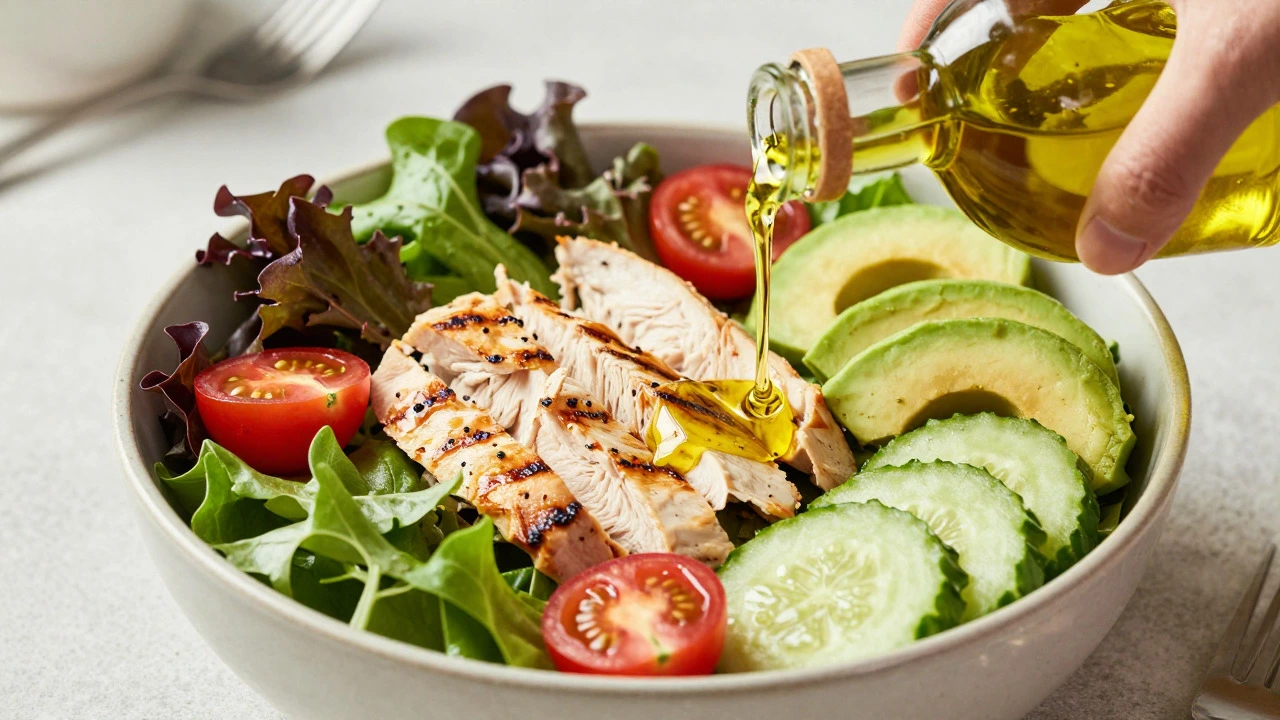
Many people fear fat, but cutting it too low can backfire by increasing cravings for processed carbs. Instead, swap saturated fats for unsaturated ones. Olive oil, avocados, and nuts contain monounsaturated fats that improve lipid profiles and support heart health. Inflammation plays a huge role in how your body stores fat, and these fats have anti-inflammatory properties.
Try replacing butter with extra-virgin olive oil in cooking. Use avocado slices instead of mayo on sandwiches. These swaps don’t drastically change calorie counts but significantly improve the hormonal environment in your body. Just be mindful of portions, as fats are calorie-dense. A quarter of an avocado or a tablespoon of oil is a solid serving size.
What to Cut: The Hidden Traps
To lose tummy fat, you must identify the foods that trigger insulin resistance and inflammation. Liquid calories are the biggest culprit. Sodas, fruit juices, and even excessive alcohol contribute to visceral fat accumulation without providing satiety. A standard glass of orange juice contains nearly the same amount of sugar as a candy bar but lacks the fiber to slow absorption.
Processed carbohydrates also pose a problem. White bread, pastries, and sugary cereals spike blood sugar rapidly. When blood sugar drops, you feel hungry again within two hours, leading to overeating later in the day. Switching to whole grains like brown rice or quinoa ensures a slower, steadier release of energy. Additionally, trans fats found in some baked goods and fried foods should be eliminated entirely, as they directly promote abdominal fat storage.
Practical Meal Structure
Knowing what to eat is easy; executing it consistently is hard. Structure your day around three balanced meals and one optional snack. Each meal should follow the "plate method": half non-starchy vegetables, a quarter lean protein, and a quarter complex carbohydrates or healthy fats.
- Breakfast: Start with protein and fiber. Example: Scrambled eggs with spinach and a side of sliced strawberries. This prevents the mid-morning crash.
- Lunch: Focus on volume and nutrient density. Example: Grilled chicken salad with mixed greens, cherry tomatoes, cucumber, and a dressing made from lemon juice and olive oil.
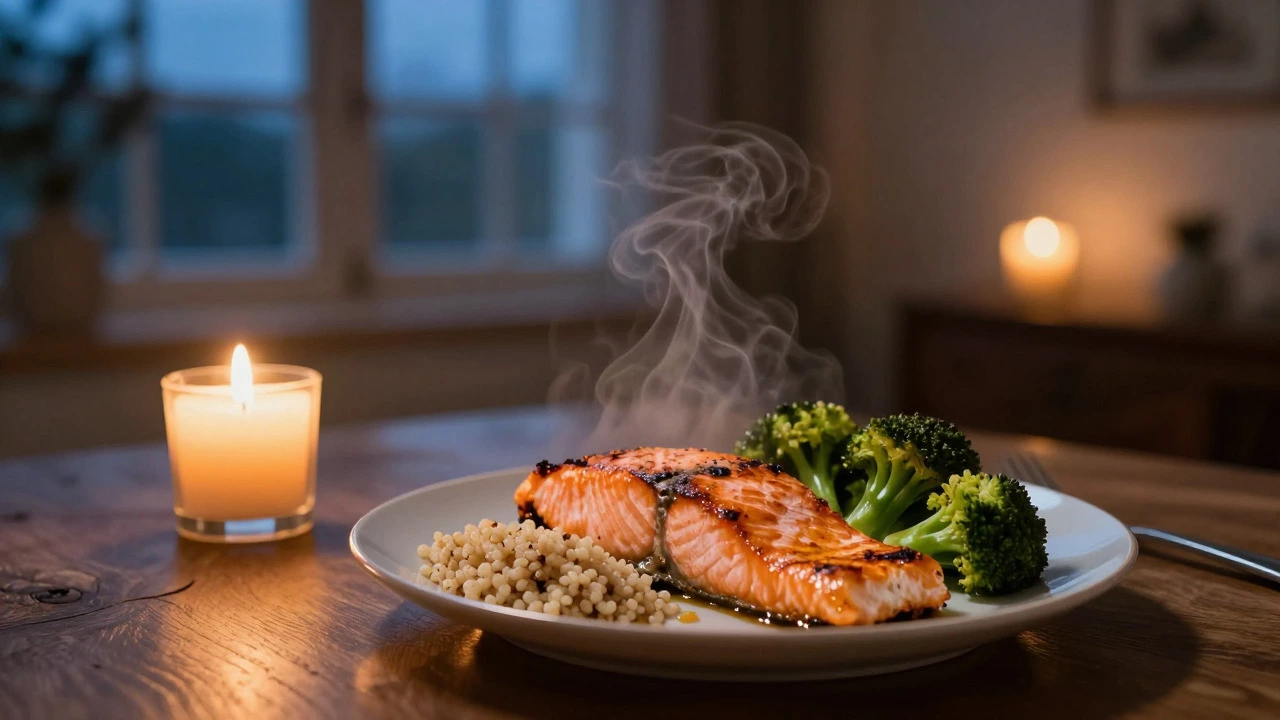
- Dinner: Keep it lighter but satisfying. Example: Baked salmon with roasted broccoli and a small portion of quinoa. Finish early enough to allow for proper digestion before sleep.
- Snack (if needed): Pair protein with fiber. Example: Apple slices with almond butter or a small handful of walnuts.
This structure keeps blood sugar stable throughout the day. You aren’t counting every calorie meticulously, but you are ensuring that every bite serves a metabolic purpose. Over time, this consistency leads to sustainable fat loss without the yo-yo effect of restrictive diets.
Common Mistakes to Avoid
Even with the right foods, execution errors can stall progress. One common mistake is relying solely on "diet