Plant Health Diagnostic Tool
Symptom Checklist
Diagnosis & Recommendations
Select symptoms above and click Analyze to get specific advice.
Based on the 7 Essential Things Plants Need to GrowEver stared at a sad, wilting houseplant and wondered why it’s struggling? You might be giving it water, but is that enough? Most people think plants just need sunlight and water. It’s a common misconception. In reality, plants are complex living organisms that require a precise balance of seven distinct elements to thrive. Miss one, and you’ll see yellow leaves, stunted growth, or worse.
Whether you’re growing tomatoes in your backyard in Sydney or keeping a succulent on your office desk, the biological rules remain the same. Understanding these seven pillars isn’t just about keeping greenery alive; it’s about helping them flourish. Let’s break down exactly what your green friends need to survive and thrive.
1. Light: The Energy Source
Light is the primary energy source for all photosynthetic life. Without it, a plant cannot convert carbon dioxide and water into glucose, which is its food. Think of light as the fuel tank for your car. No fuel, no movement.
Not all light is created equal, though. Different plants have different needs based on their natural habitats. A fern from a forest floor prefers low, indirect light. If you put it in direct midday sun, the leaves will scorch. On the flip side, a cactus from a desert craves intense, direct sunlight. Put it in a dark corner, and it will stretch out weakly, trying to find any photon it can grab.
- Direct Sunlight: 6+ hours of unfiltered sun (e.g., roses, succulents).
- Indirect Bright Light: Near a window but not in the beam (e.g., pothos, peace lilies).
- Low Light: Farther from windows or north-facing rooms (e.g., snake plants, ZZ plants).
If you live in an apartment with poor lighting, don’t panic. Grow lights are affordable and effective. They mimic the spectrum of natural sunlight, ensuring your indoor jungle gets the energy it needs even during cloudy Sydney winters.
2. Water: The Transport System
Water is essential for nutrient transport, cell structure, and photosynthesis. It makes up to 90% of a plant’s weight. However, water is also the number one killer of houseplants. Why? Because most people overwater.
Plants drink through their roots, but those roots need oxygen too. When soil stays soggy, air pockets disappear. Roots suffocate and rot. This is called root rot, and it’s often fatal. The golden rule? Check the soil before you water. Stick your finger about an inch into the dirt. If it feels dry, water it. If it feels damp, wait.
Also, consider the type of water you’re using. Tap water in many areas contains chlorine and fluoride. While small amounts are usually fine, sensitive plants like calatheas or spider plants may show brown leaf tips if exposed to high levels of chemicals. Letting tap water sit out overnight allows chlorine to evaporate, making it safer for your greens.
3. Soil: The Foundation
Soil is more than just dirt; it is a complex medium that provides physical support, moisture retention, and nutrient access. Good soil has three components: sand (for drainage), silt (for nutrients), and clay (for holding water). But for potted plants, we usually add organic matter like compost or perlite.
Using heavy garden soil in a pot is a recipe for disaster. It compacts tightly, blocking air and water flow. Instead, use a potting mix designed for containers. These mixes are fluffy and aerated. For example, orchids need bark-based mixes because their aerial roots need maximum airflow. Tomatoes need rich, compost-heavy soil to support heavy fruit loads.
The pH level of your soil matters too. Most plants prefer a slightly acidic to neutral pH (6.0-7.0). If the soil is too alkaline, plants can’t absorb iron, leading to yellow leaves. If it’s too acidic, phosphorus becomes unavailable. Testing your soil pH is a cheap insurance policy for healthy growth.
4. Nutrients: The Building Blocks
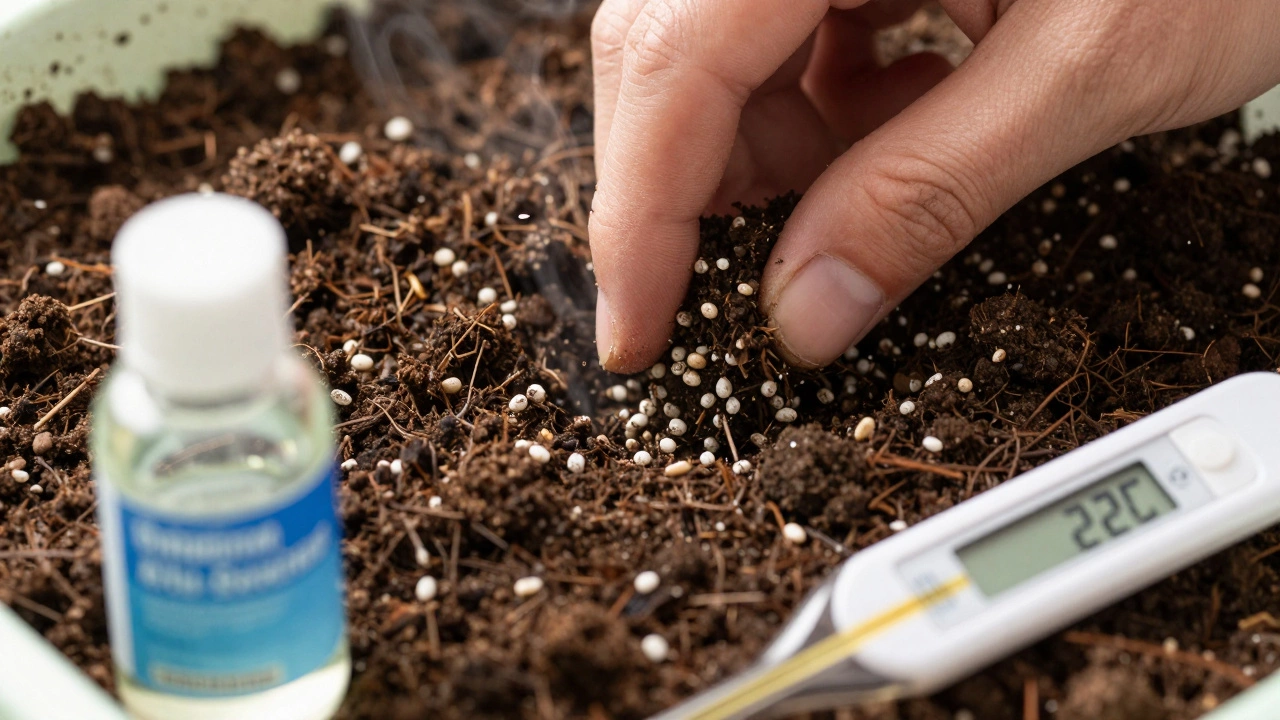
Nutrients are chemical elements required for plant metabolism, structure, and reproduction. Just like humans need vitamins, plants need macro and micronutrients. The big three are Nitrogen (N), Phosphorus (P), and Potassium (K).
| Nutrient | Function | Signs of Deficiency |
|---|---|---|
| Nitrogen (N) | Leaf growth and green color | Pale yellow leaves, slow growth |
| Phosphorus (P) | Root development and flowering | Purple stems, poor blooming |
| Potassium (K) | Overall health and disease resistance | Brown spots on leaf edges, weak stems |
You don’t need to fertilize every week. In fact, over-fertilizing burns roots. During the active growing season (spring and summer), feed your plants every few weeks with a balanced liquid fertilizer. In winter, when growth slows, cut back or stop entirely. Think of fertilizer as a multivitamin, not a meal. The soil should provide the bulk of the nutrition.
5. Temperature: The Climate Control
Temperature is the environmental factor that regulates metabolic rates in plants. Every plant has an optimal temperature range. Tropical plants hate cold drafts. Desert plants hate humid heat. Cold-hardy perennials go dormant in frost.
In Sydney, our summers can get hot, and our winters mild but cool. Most houseplants are tropicals, meaning they thrive between 18°C and 24°C. If you place a sensitive plant near a drafty window in winter or next to a heater in summer, you’ll stress it. Stress shows up as dropped leaves or crispy edges.
Keep plants away from HVAC vents, radiators, and exterior doors that slam open. Consistency is key. Sudden temperature swings shock the system. If you bring a plant home from a nursery, acclimate it slowly over a few days to avoid transplant shock.
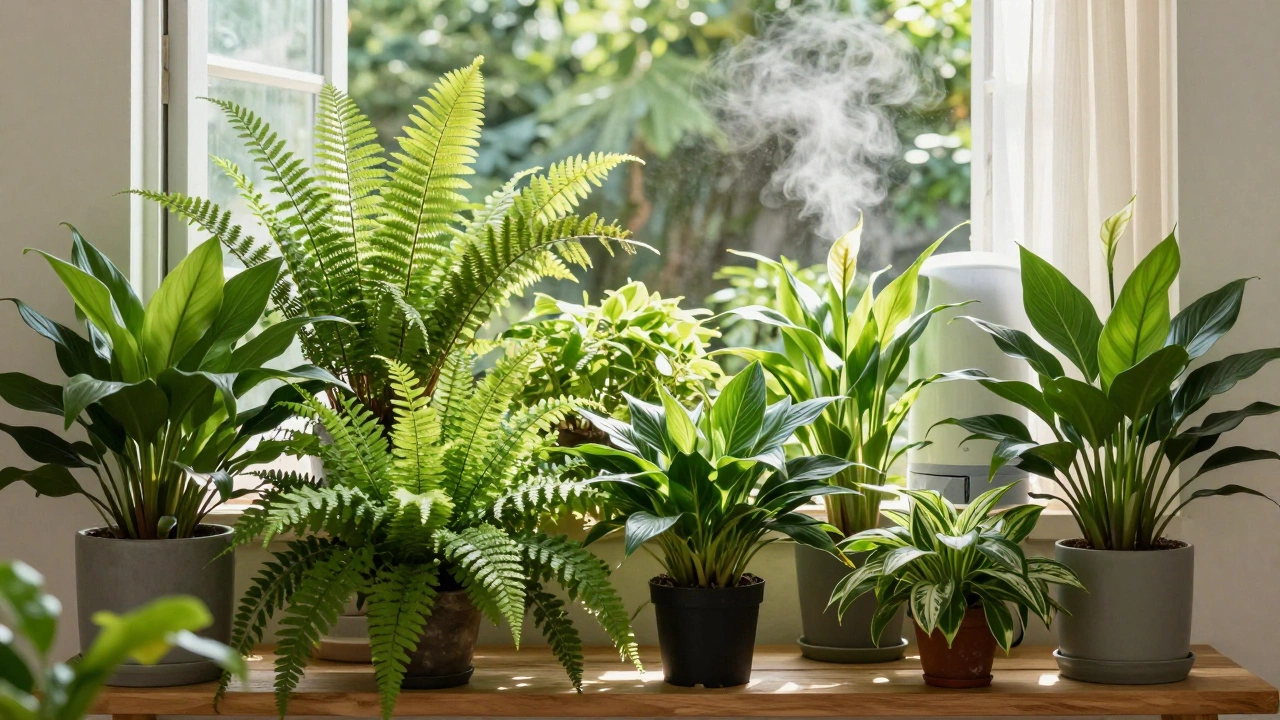
6. Humidity: The Moisture in the Air
Humidity is the amount of water vapor in the air, critical for preventing transpiration loss in tropical plants. Many houseplants come from rainforests where humidity is consistently high (60-80%). Modern homes, especially with air conditioning or heating, are often very dry (30-40%).
Low humidity causes leaves to crisp up at the tips. It’s a sign the plant is losing water faster than its roots can replace it. How do you fix it? Grouping plants together creates a microclimate of higher humidity as they release moisture through transpiration. You can also use a pebble tray with water underneath the pot, or run a humidifier nearby.
Don’t mist your plants as a long-term solution. Misting only raises humidity for minutes and can encourage fungal diseases if water sits on leaves. Instead, focus on improving the ambient air quality around the plant group.
7. Space and Air Circulation: Room to Breathe
Space and Air Circulation are physical conditions that prevent disease and allow for proper structural development. Plants need room to expand their canopy. Crowding leads to competition for light and traps stagnant air.
Stagnant air is a breeding ground for pests like spider mites and fungus gnats. Good airflow dries out leaf surfaces after watering, reducing the risk of mold and mildew. Open windows regularly to let fresh air in. Use a small fan on low setting in corners where air doesn’t move well.
Also, give plants room to grow. If a plant looks cramped in its pot, it’s root-bound. This restricts nutrient uptake. Repotting into a slightly larger container every year or two gives roots space to explore and anchor the plant securely.
Putting It All Together
Growing healthy plants isn’t magic. It’s science. By balancing these seven elements-light, water, soil, nutrients, temperature, humidity, and space-you create an environment where nature does the rest. Start by observing your plants. Are the leaves drooping? Is the soil dry? Is the location too shady? Diagnose the issue based on these fundamentals, and you’ll see a dramatic improvement in your garden’s vitality.
How often should I water my indoor plants?
There is no single schedule. Check the top inch of soil. If it’s dry, water thoroughly until it drains out the bottom. Overwatering is more dangerous than underwatering for most houseplants.
Can I use garden soil for potted plants?
No. Garden soil compacts in pots, suffocating roots. Always use a sterile potting mix designed for containers, which includes perlite or vermiculite for aeration.
Why are my plant leaves turning yellow?
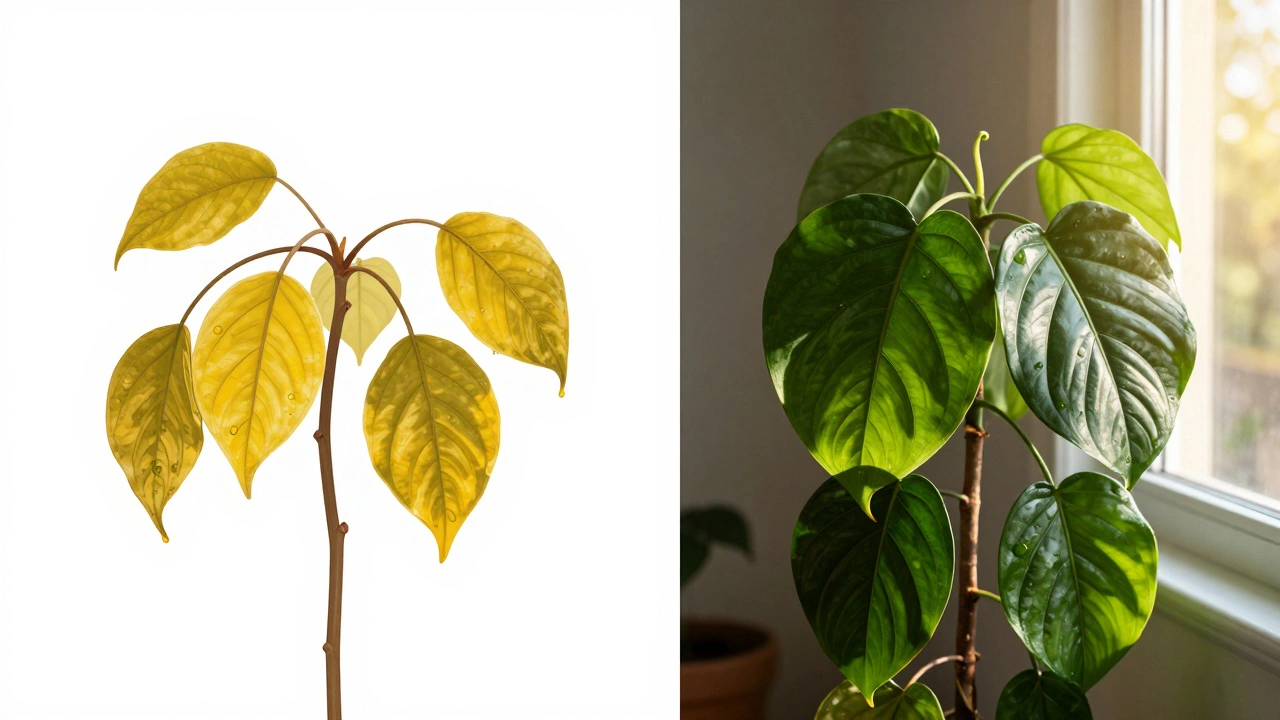
Yellow leaves usually indicate overwatering or nitrogen deficiency. Check the soil moisture first. If it’s wet, let it dry out. If it’s dry, consider adding a balanced fertilizer.
Do plants really need humidity?
Tropical plants like ferns and calatheas do. Low humidity causes crispy leaf tips. Grouping plants or using a humidifier helps maintain the moist air they crave.
What is the best light for indoor plants?
Bright, indirect light is best for most houseplants. Place them near east or west-facing windows. South-facing windows can be too intense unless filtered by a sheer curtain.