UK Customs Restrictions: What You Can and Can't Bring Into the UK
When you enter the UK, you’re not just passing through a checkpoint—you’re entering a system with clear rules about what you can bring in, and what will get seized, taxed, or even lead to fines. UK customs restrictions, the official rules set by HM Revenue and Customs (HMRC) to control what enters the country. These aren’t just about stopping illegal goods—they’re about protecting public health, the environment, and fair trade. Whether you’re flying back from vacation, ordering online, or shipping a gift, these rules apply to everyone.
Prohibited items, things you absolutely cannot bring into the UK under any circumstances. Restricted goods are different—they’re allowed, but only if you declare them and pay the right fees. Customs declaration, the formal process of telling UK authorities what you’re bringing in is required for anything over certain limits. This includes alcohol, tobacco, money over £10,000, and even some plants or animal products. Missing this step isn’t just a paperwork issue—it’s a legal risk.
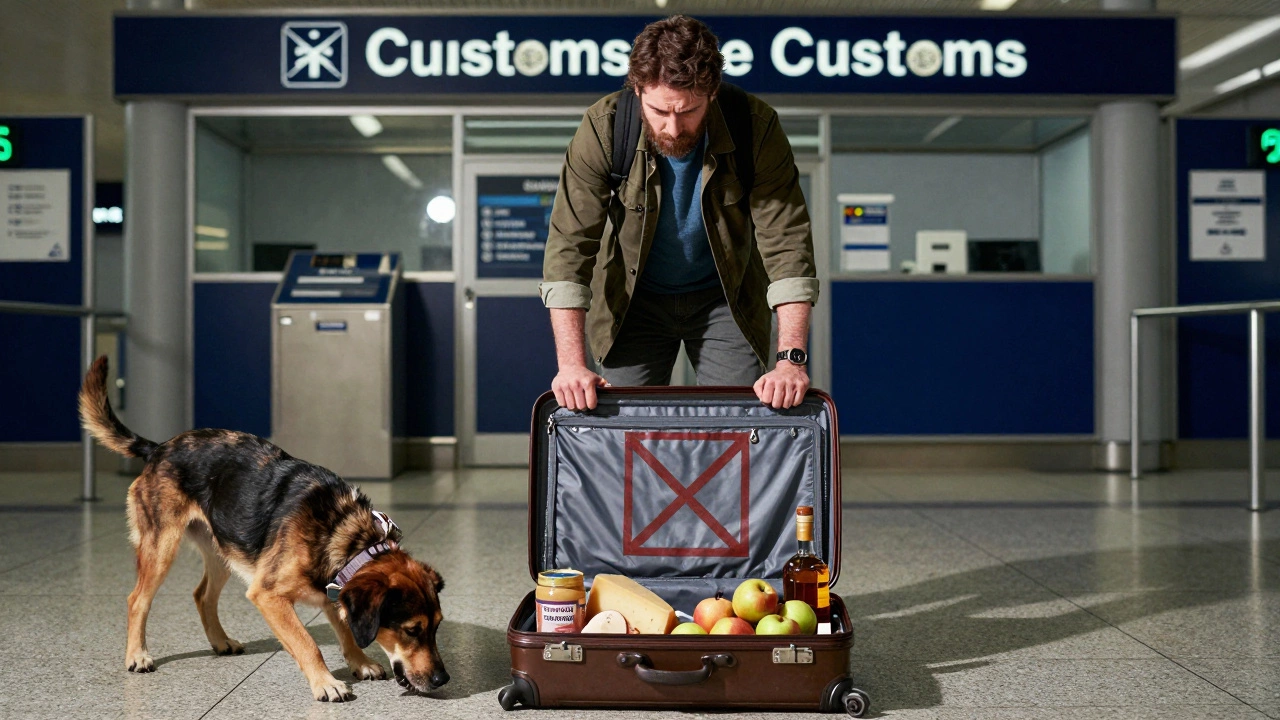
Many people don’t realize that everyday things like chocolate, cheese, or even a pack of seeds could trigger a problem. The UK bans most meat, dairy, and fresh produce from non-EU countries, even if it’s for personal use. A jar of homemade jam might seem harmless, but it’s not allowed. Same with certain types of fish, eggs, or honey. And while you can bring in a few bottles of wine or a carton of cigarettes for personal use, going over the limit means you’ll pay duty—or worse, have it confiscated. Import restrictions UK, the specific limits and bans that vary by product type and origin are detailed but not always obvious.
It’s not just food. Electronics, medications, and even books can be flagged if they’re counterfeit, unlicensed, or contain restricted content. If you’re bringing in prescription drugs, you need a letter from your doctor. Gifts over £39 (or £270 if shipped) may be taxed. And if you’re traveling with cash, you must declare anything over £10,000—even if it’s your own money.
These rules aren’t random. They exist because of disease control, environmental protection, and fair market practices. A single infected plant can wipe out entire crops. Counterfeit medicines can kill. Unregulated goods undercut local businesses. The UK doesn’t want to be a dumping ground for unsafe or illegal products.
What you’ll find in the posts below aren’t dry legal documents—they’re real stories and clear guides from people who’ve been through it. From travelers who lost their cheese to online shoppers who got hit with surprise fees, these posts break down the confusing bits. You’ll learn what actually gets stopped, what slips through, and how to avoid the mistakes most people make. No jargon. No fluff. Just what you need to know before you pack your bag—or click "buy."
Learn what items are banned from entering the UK, from food and pets to cash and medicines. Avoid fines, seizures, or delays with clear, up-to-date customs rules for travelers.