Green vs Eco-Friendly: What’s the Real Difference and Why It Matters
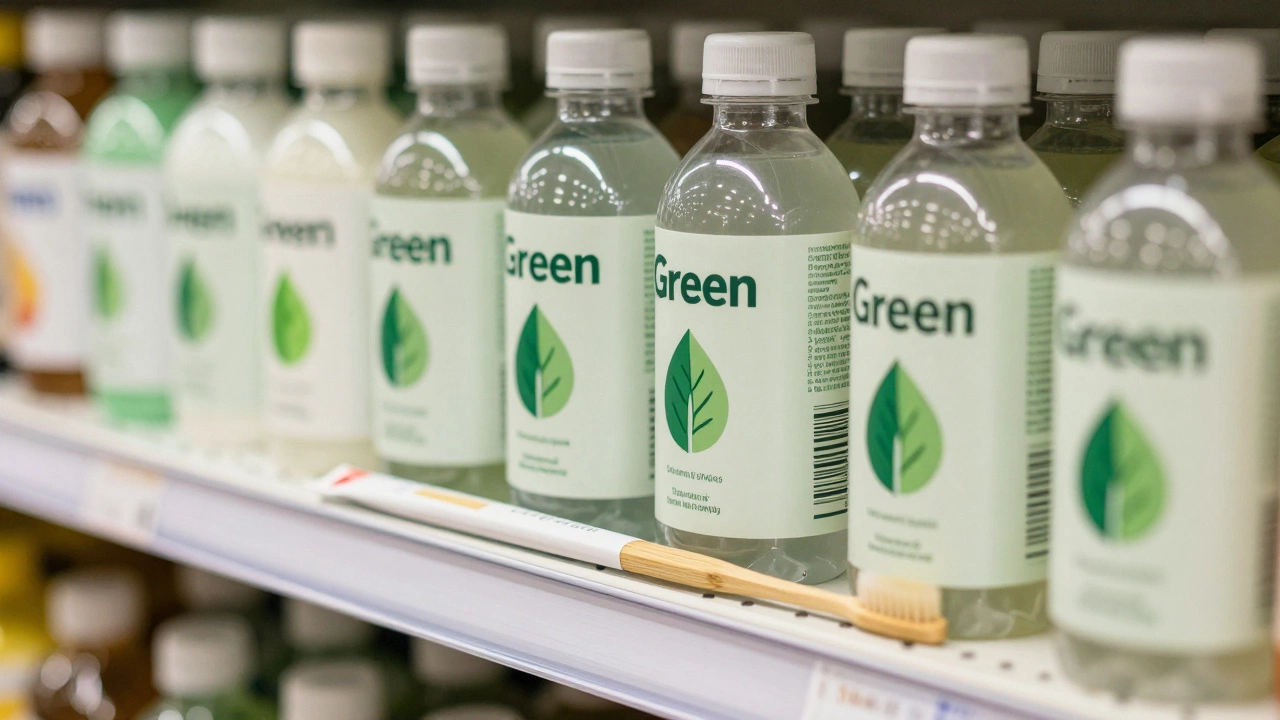
When you hear green, a broad term for anything presented as environmentally positive, often used in marketing without clear standards. Also known as environmentally friendly, it can mean anything from a product with a leaf logo to a company that just changed its packaging color. But eco-friendly, a specific term referring to products or practices that cause no harm to the environment throughout their lifecycle is different—it’s not just a vibe, it’s a measurable impact. You can’t call something eco-friendly just because it’s made from recycled plastic if the manufacturing process dumps toxins into rivers. That’s greenwashing, not green living.
The confusion between green and eco-friendly matters because it shapes how you spend your money. Most people think buying a bamboo toothbrush makes them eco-friendly. But if that toothbrush was shipped halfway across the world in single-use plastic, and the factory pays workers below minimum wage, it’s not eco-friendly—it’s just green marketing. True sustainable fashion, clothing made with low-impact materials, fair labor, and minimal waste. Also known as ethical clothing, it means looking at the whole chain: where the cotton was grown, how the dye was disposed of, whether the seamstress got paid fairly. That’s why posts like What Is the Most Ethical Way to Buy Clothes? and Why Is Sustainable Fashion So Expensive? exist—they cut through the noise and show you what actually adds up.
And here’s the thing: being green is easy. Being eco-friendly takes work. It means asking questions before you buy. It means choosing secondhand over new, even if it takes more time. It means accepting that a $10 t-shirt labeled "eco-friendly" is probably lying. The posts in this collection don’t just tell you what to avoid—they show you what to look for: certifications, transparent brands, repairable materials, and real data behind claims. You’ll find real cost breakdowns, ethical shopping guides, and the hidden truths behind labels that sound good but mean nothing. This isn’t about perfection. It’s about progress. And if you’re ready to stop being fooled by buzzwords and start making choices that actually matter, what’s below is your starting point.
Green and eco-friendly aren't the same. One is a marketing buzzword; the other means real, verifiable environmental action. Learn how to spot the difference and make choices that actually help the planet.