Environmental Claims: What’s Real, What’s Greenwashing, and How to Tell the Difference
When a company says it’s "eco-friendly" or "carbon-neutral," what does that actually mean? Environmental claims, statements made by businesses about their products or practices being better for the planet. Also known as green marketing, these claims are everywhere — on packaging, ads, and social media. But many are vague, misleading, or outright false. The problem isn’t that people want to do better — it’s that too many brands are exploiting that desire without changing anything real.
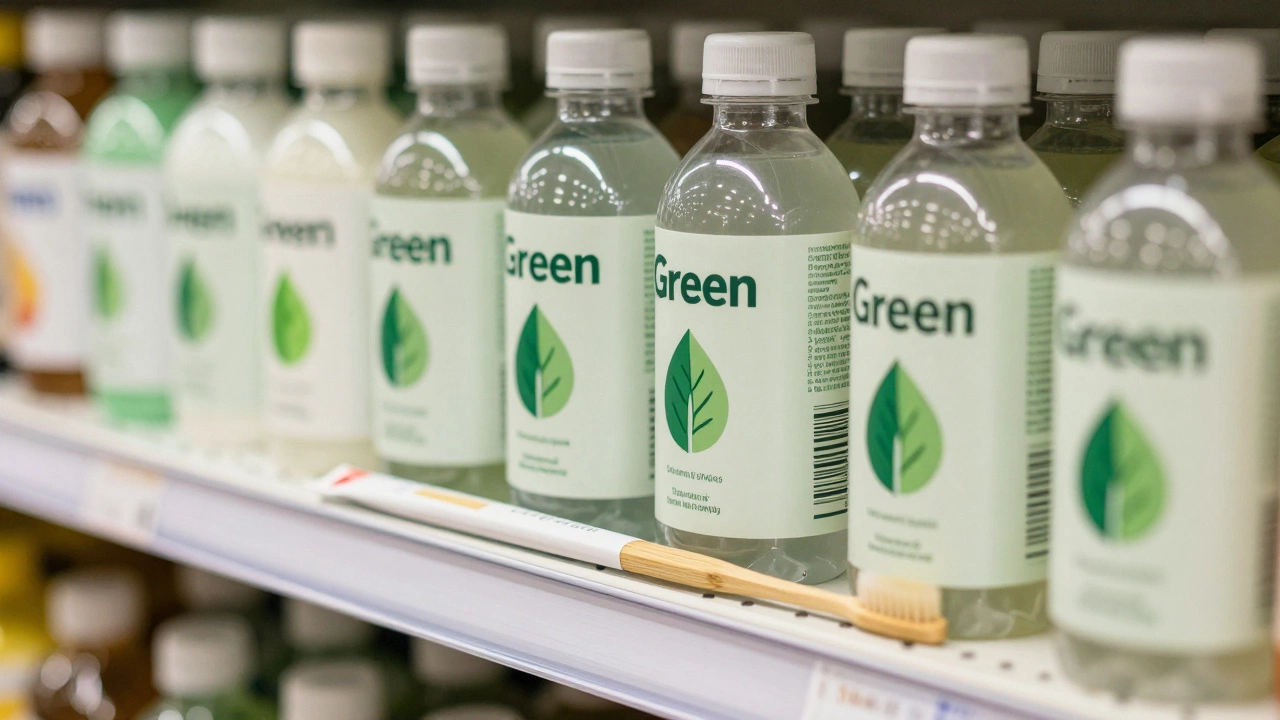
Behind the buzzwords like "natural," "green," or "sustainable," there’s often a gap between the message and the reality. Take greenwashing, the practice of making false or exaggerated claims about environmental benefits to appear more eco-conscious than they are. It’s not just a marketing trick — it’s a tactic that confuses shoppers and slows real progress. For example, a bottle labeled "100% recyclable" might be made from plastic that no local facility can actually process. Or a clothing brand might tout a single organic cotton t-shirt while 95% of its line is made with synthetic fibers and shipped across the globe. These aren’t mistakes — they’re calculated distractions.
Real sustainable fashion, clothing made with fair labor, low-impact materials, and transparent supply chains, doesn’t need flashy labels. It shows up in the details: repairable seams, traceable factories, and durability that lasts years. The same goes for eco-friendly products, items designed to minimize harm to the environment throughout their lifecycle. They don’t just avoid plastic — they avoid overproduction, excessive packaging, and energy-heavy shipping. And corporate sustainability, a company’s long-term strategy to reduce environmental impact across all operations isn’t a one-time campaign. It’s measured in emissions cuts, water use, waste diversion, and worker rights — not Instagram posts.
You don’t need to be an expert to spot the difference. Ask: Is this claim specific? Can I verify it? Is the company showing data, or just feelings? Look for third-party certifications like Fair Trade, B Corp, or GOTS — they’re harder to fake than a green background on a product page. The truth is, most brands don’t want you to dig deeper. They rely on you trusting the label. But when you start asking questions, you stop being a customer and become a force for change.
The posts below aren’t about guilt or perfection. They’re about clarity. You’ll find real breakdowns of what ethical fashion actually looks like, how to spot empty promises in product labels, and why some "sustainable" choices cost more — and why that’s not always a bad thing. No fluff. No buzzwords. Just what works, what doesn’t, and how to tell them apart.
Green and eco-friendly aren't the same. One is a marketing buzzword; the other means real, verifiable environmental action. Learn how to spot the difference and make choices that actually help the planet.