If you’ve ever watched a British comedy and wondered why people are so quiet on the tube or why they keep apologizing for no reason, you’re not alone. The UK isn’t just about tea, rain, and royal palaces-it’s a country where unspoken rules shape everyday life. Getting these right means smoother travels, fewer awkward moments, and locals actually smiling back at you.
Do: Queue Properly
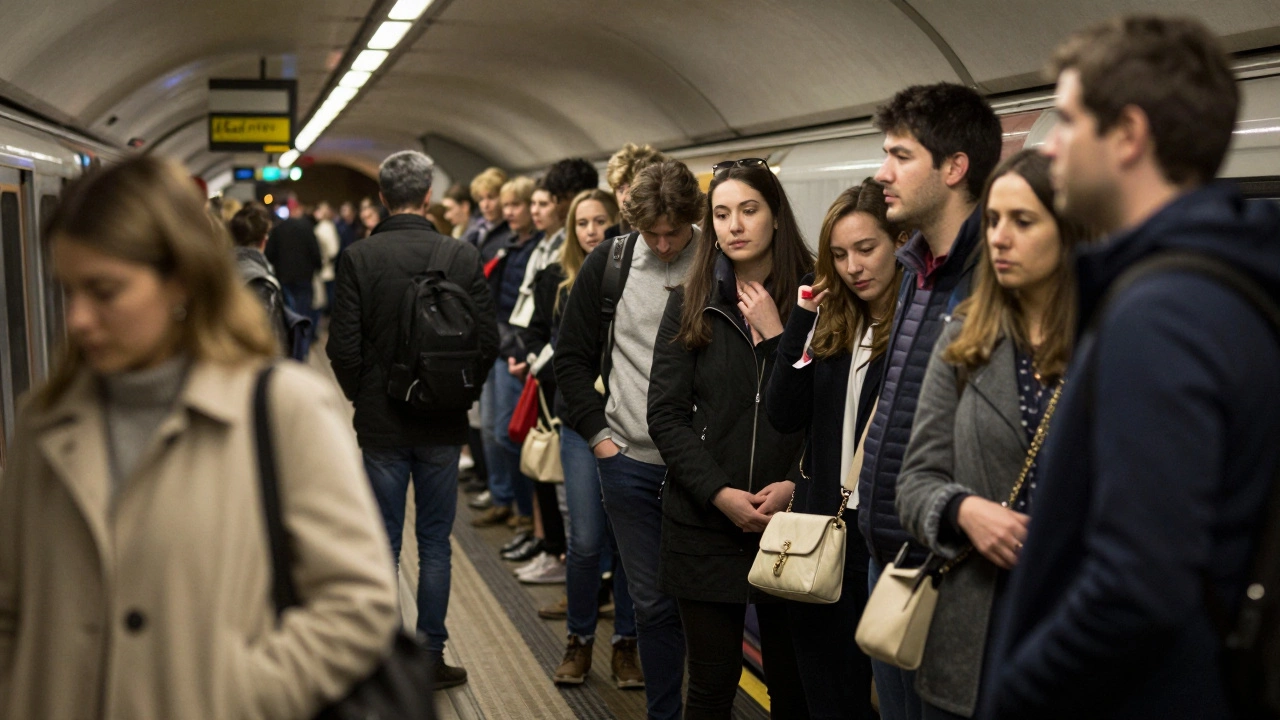
Queuing isn’t just polite in the UK-it’s a national sport. Whether you’re waiting for a bus, buying coffee, or boarding a train, line up in order. Cut in line once, and you’ll get a stare that could freeze a pint of Guinness. There’s no official rule, but everyone knows the order: first come, first served. If someone jumps ahead, someone else will quietly say, "Excuse me, you’re in the wrong place." And they mean it.
Don’t: Assume Everyone Speaks Like in the Movies
Not every Brit speaks with a posh accent or says "cheers" like they’re in a BBC drama. Regional accents vary wildly-from the sing-song lilt of Liverpool to the clipped tones of Yorkshire. In Scotland, "wee" means small, not cute. In Northern England, "nowt" means nothing. Don’t pretend you understand everything. Just smile and ask: "Sorry, could you say that again?" Most people will repeat it slowly-and maybe even teach you a new word.
Do: Say "Please" and "Thank You" Often
Politeness isn’t optional here. Say "please" when ordering a sandwich. Say "thank you" when the shopkeeper hands you change. Even cashiers say "thank you" when you hand them money. It’s not just manners-it’s the rhythm of daily interaction. Skip it, and you’ll feel the coldness. People notice.
Don’t: Talk Loudly in Public Transport
On the London Underground, trains, or buses, silence is golden. No phone calls. No loud music-even with headphones, if someone can hear it, it’s too loud. People use public transport to escape, not to be entertained. If you need to call someone, step off the train. If you’re with a group, keep your voices down. You’ll get fewer side-eyes and more space.
Do: Tip Only When Service Was Good
Tipping isn’t mandatory in the UK. Unlike in the U.S., servers aren’t paid minimum wage and rely on tips. Most restaurants add a 12.5% service charge to the bill-check before you leave extra. If service was excellent, leave £1-£2 or round up. If it was average? Don’t feel pressured. A simple "thank you" is enough.
Don’t: Assume the Weather Will Be Nice
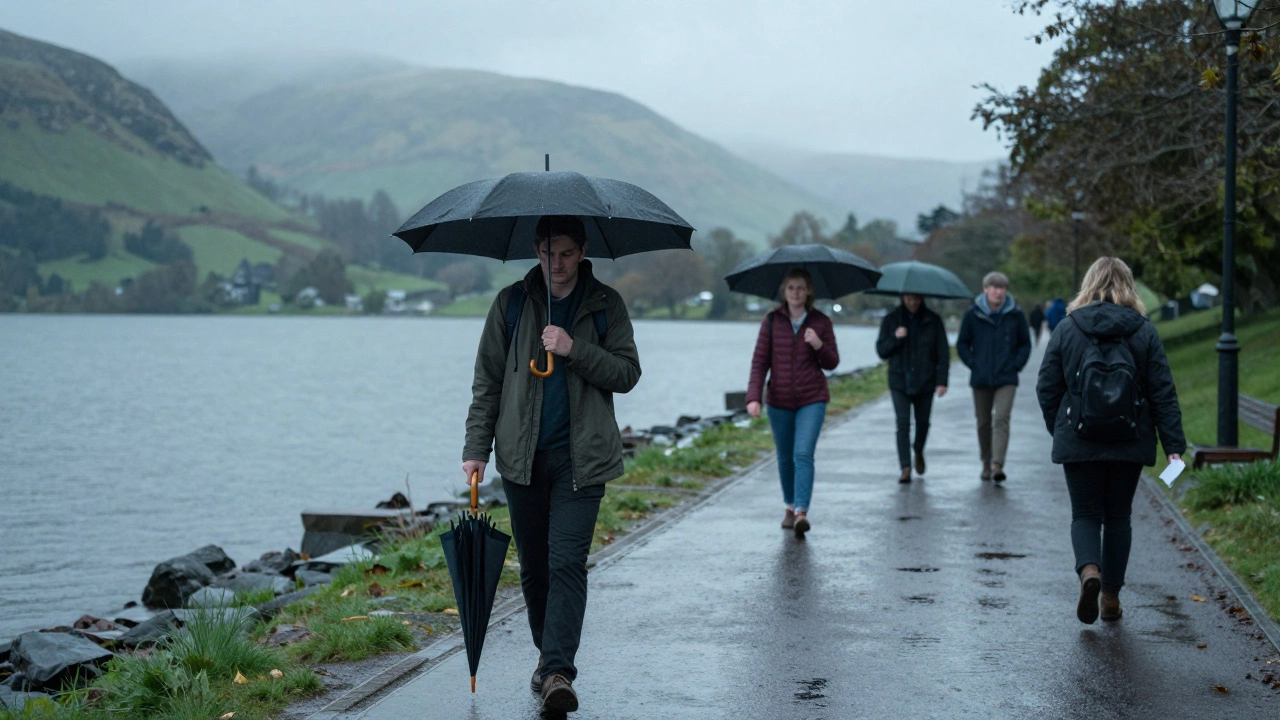
It rains in the UK. A lot. Even in summer. Pack a light raincoat or foldable umbrella. Don’t rely on forecasts-they’re often wrong. Locals carry umbrellas even on sunny mornings. You’ll see them walking with them open, just in case. If you get caught without one, you’ll understand why everyone looks so calm when it starts pouring. It’s just Tuesday.
Do: Respect the Pub Culture
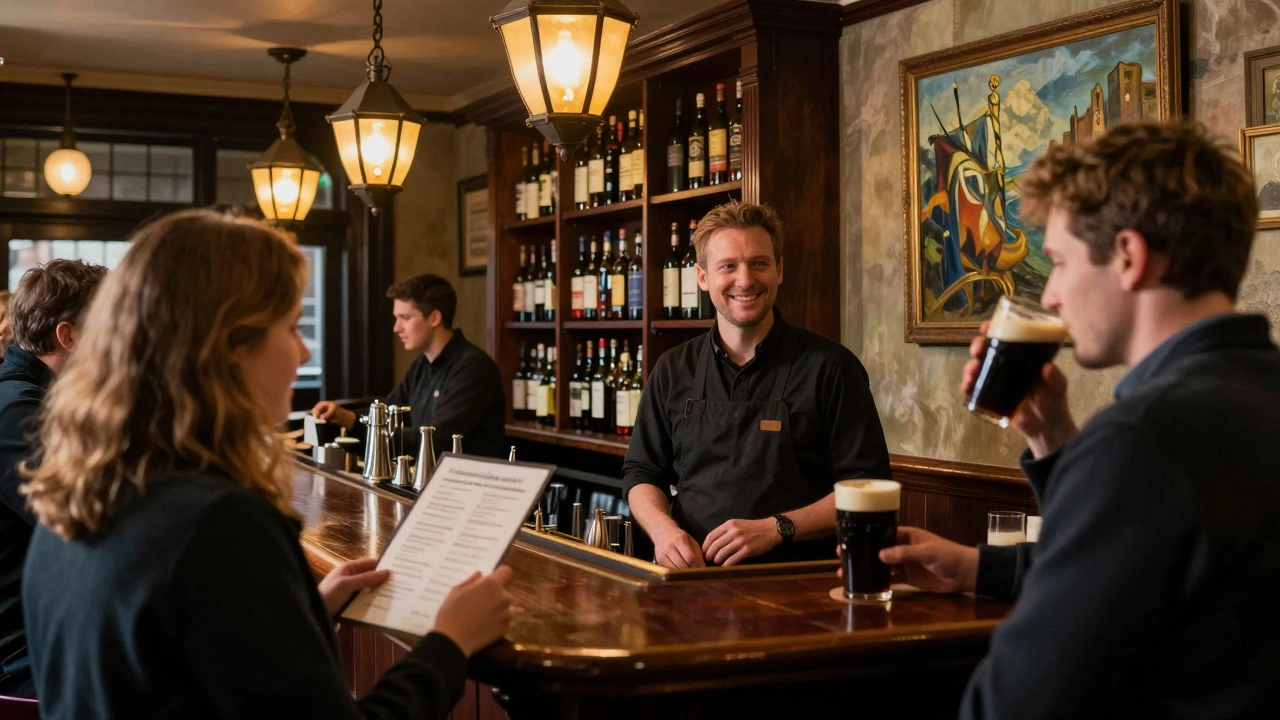
Pubs aren’t just bars-they’re community centers. Order at the bar, not at your table. Don’t expect table service unless it’s a restaurant attached to a pub. Don’t sit at a table that’s clearly reserved for a group unless invited. And never, ever order a "beer" without specifying-ask for a pint of lager, bitter, or stout. The bar staff will appreciate it.
Don’t: Call Everyone "Mate"
Saying "mate" to strangers doesn’t make you friendly-it makes you sound like a tourist trying too hard. Locals use it sparingly, mostly with people they know. Calling a stranger "mate" in London or Edinburgh will raise eyebrows. Use it only if someone else says it first. Otherwise, stick to "excuse me" or "sorry".
Do: Walk on the Right Side of the Pavement
On busy sidewalks, especially in cities like London, Manchester, or Bristol, walk on the right. It’s not written down anywhere, but it’s the unspoken rule. If you’re strolling down the middle or stopping suddenly to take photos, you’ll become a human traffic cone. Move to the side if someone’s coming. A quick nod or "sorry" goes a long way.
Don’t: Be Surprised by the Lack of Small Talk
Brits aren’t rude-they’re private. Don’t expect strangers to ask how your day was or comment on your outfit. That’s not coldness; it’s cultural boundaries. If someone asks, "How are you?" they usually expect "Fine, thanks"-not your life story. If you want to connect, start with the weather. It’s the universal opener. And yes, it works.
Do: Use Contactless Payment
Cash is fading fast. Most places-even small shops and market stalls-take contactless. The limit is £100 as of 2026. If you’re trying to pay with a £50 note for a £3 coffee, you’ll wait longer than the bus. Get a contactless card or link your phone to Apple Pay or Google Pay. It’s faster, cleaner, and more accepted than ever.
Don’t: Expect Everything to Be Open on Sundays
Sundays are quiet. Many small shops, museums, and even some restaurants close early or stay shut all day. Supermarkets open, but with limited hours. If you’re planning a day out, check opening times. It’s not laziness-it’s tradition. People use Sundays to rest, visit family, or go to church. Don’t take it personally.
Do: Know Your Rights on Public Transport
If you’re on a train and it’s delayed by more than 30 minutes, you’re entitled to compensation. Keep your ticket. Most operators have a simple online claim form. For buses, delays rarely qualify, but if a driver is rude or refuses to stop, report it. You’re not being difficult-you’re helping improve service. The system actually works here.
Don’t: Assume the UK Is One Country
England, Scotland, Wales, and Northern Ireland are four distinct nations. They have different laws, currencies (Scotland prints its own notes), and even holidays. Calling Scotland "England" is like calling Canada "America." It’s inaccurate-and it irritates people. Learn the difference. It’s not hard: Edinburgh is in Scotland, Cardiff is in Wales, Belfast is in Northern Ireland. Get it right, and you’ll earn instant respect.
Do: Carry a Reusable Bag
Plastic bags cost 10p in most stores-even if you’re a tourist. Many people bring their own. You’ll see them folded in pockets, backpacks, or hanging from shopping carts. It’s not just eco-friendly-it’s normal. Skip the bag, and you’ll blend in faster. Plus, you’ll save a few pounds over your trip.
Don’t: Be Afraid to Say Sorry
Brits apologize for everything. For bumping into you. For walking too slowly. For the weather. Even if it’s not their fault. Don’t think they’re being insincere-they’re just avoiding conflict. If you accidentally step on someone’s foot, say "sorry" immediately. If you’re late for a meeting, say it before you even sit down. It’s not weakness. It’s social glue.
Do: Explore Beyond London
London is amazing-but it’s not the whole UK. Take a train to York, hike in the Lake District, wander the cliffs of Cornwall, or visit the historic streets of Bath. These places are less crowded, cheaper, and far more authentic. Train tickets are often cheaper if booked a week ahead. Use National Rail or Trainline apps. You’ll discover a country that’s bigger, quieter, and far more beautiful than the guidebooks show.
Don’t: Try to Be Too American
Don’t expect everyone to be as loud, friendly, or effusive as in the U.S. Don’t hand out smiles to strangers. Don’t ask personal questions about income, relationships, or politics. Don’t demand discounts. The UK values restraint. You’ll fit in better by being calm, polite, and observant than by being overly cheerful.
Is it rude to tip in the UK?
No, it’s not rude-but it’s not expected either. Most restaurants add a service charge, so check your bill first. If service was outstanding, leaving £1-£2 or rounding up is appreciated. If it was average, a simple "thank you" is enough. Tipping isn’t part of the wage system here like in the U.S.
Can I use US dollars in the UK?
No. The UK uses the British pound (£). While some tourist spots might accept dollars, the exchange rate is terrible and you’ll be overcharged. Always pay in pounds. Use ATMs at banks for the best rates. Avoid currency exchange booths at airports-they’re the worst deal.
Are UK trains reliable?
They’re hit or miss. Delays happen often, especially during peak hours or bad weather. But the system is transparent: if your train is delayed over 30 minutes, you’re entitled to compensation. Use apps like Trainline to track real-time updates. Book in advance to save money and secure seats.
Is it safe to walk alone at night in UK cities?
Most UK cities are safe for solo walkers at night, especially in central areas. But avoid poorly lit alleys, and don’t assume everyone speaks English. Keep your phone charged and your belongings close. Like anywhere, use common sense. London’s Tube runs all night on weekends-use it if you’re out late.
Do I need a visa to visit the UK?
It depends on your nationality. Citizens of the U.S., Canada, Australia, and most EU countries can visit for up to 6 months without a visa for tourism. But you must have a valid passport, return ticket, and proof of funds. Starting in 2025, U.S. citizens need an Electronic Travel Authorization (ETA) before arrival. Check the UK government website before booking.
If you follow these simple rules, you won’t just avoid awkward moments-you’ll start to understand why the UK feels so different, and so welcoming. It’s not about perfection. It’s about respect. And that’s all anyone here really asks for.