Fabric Toxicity & Safety Checker
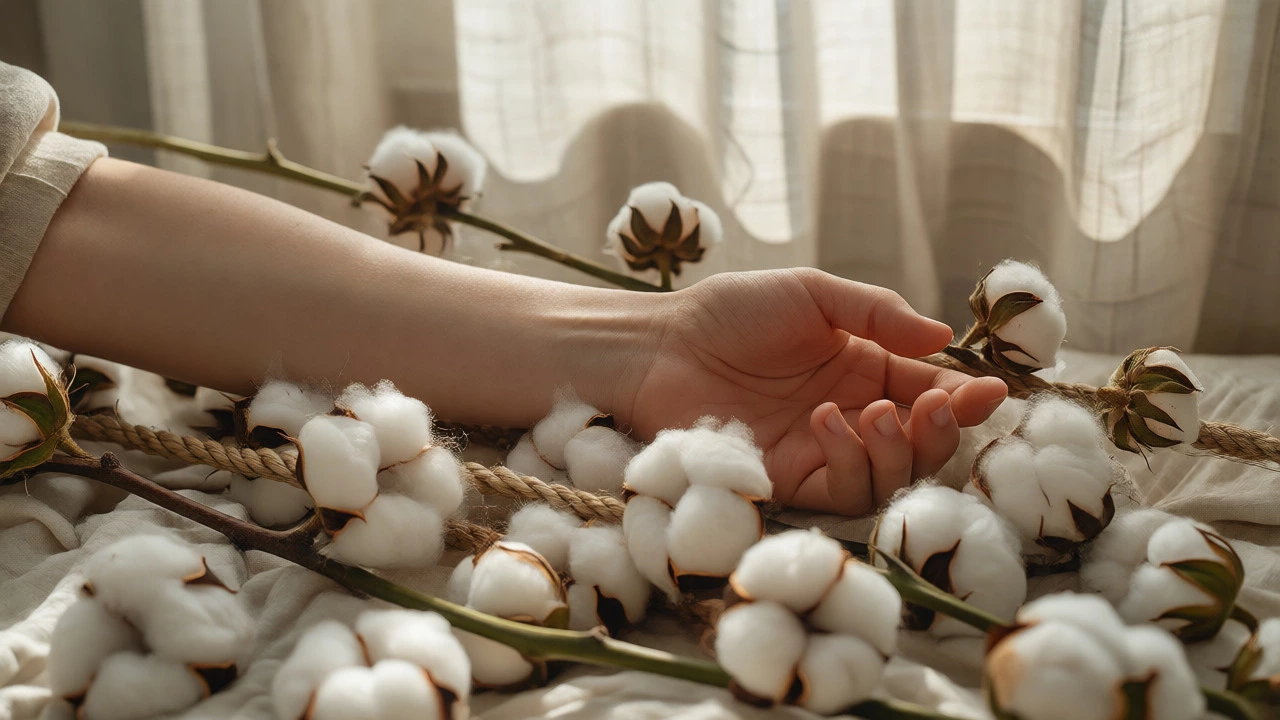
Organic Cotton
Generally the safest bet because it avoids pesticide-heavy farming methods.
Key Concerns
- Processing dyes (if not GOTS certified)
Best For
Underwear, baby clothes, everyday basics
Certifications to Look For
You spend roughly a third of your life sleeping and the rest of it wearing clothes. That means your skin is in constant contact with whatever fibers touch it. Yet most people never think about what’s actually woven into their shirts or stitched into their jeans. We worry about what we eat, but we rarely ask: what is the least toxic fabric to wear? The answer isn’t just about comfort; it’s about health. Conventional textiles are often treated with formaldehyde, heavy metals, and synthetic pesticides that can linger on the fabric long after you buy them.
If you’ve ever felt an itch you couldn’t explain, or noticed a chemical smell when you opened a new package of leggings, you’re not imagining things. Those are volatile organic compounds (VOCs) off-gassing from the dyes and finishes. Choosing the right material reduces your exposure to these irritants. But how do you know which ones are safe? It’s not as simple as picking "natural" over "synthetic," because even natural fibers can be heavily processed with toxins if they aren’t certified.
Key Takeaways for Safer Clothing
- Organic Cotton is generally the safest bet because it avoids the pesticide-heavy farming methods of conventional cotton.
- Hemp and Linen are naturally pest-resistant, requiring fewer chemicals during growth, making them low-toxicity options.
- Tencel Lyocell uses a closed-loop system that recycles solvents, resulting in a clean fiber with minimal chemical residue.
- Certifications Matter: Look for GOTS (Global Organic Textile Standard) or OEKO-TEX® Standard 100 labels to verify safety claims.
- Washing Helps: Always wash new clothes before wearing them to remove surface-level chemical residues.
Why Fabric Toxicity Actually Matters
Your skin is your largest organ, and it’s permeable. When you wear a garment treated with harsh chemicals, those substances don’t just sit on the surface. They can absorb through the skin, especially when you sweat. Pores open up, and the barrier function changes. This process, known as dermal absorption, allows certain chemicals to enter your bloodstream. For sensitive individuals, this can trigger dermatitis, hormonal disruptions, or respiratory issues.
Consider the manufacturing chain. Conventional cotton is one of the dirtiest crops in the world. According to the Environmental Justice Foundation, cotton covers just 2.4% of the world's cultivated land but uses 6% of the world's pesticides and 16% of all insecticides. These chemicals don’t disappear when the plant becomes a shirt. They remain in the fiber until washed out or degraded. If you wear unwashed conventional cotton against bare skin, you’re essentially wearing a mild pesticide delivery system.
Synthetics like polyester have their own set of problems. They are derived from petroleum, meaning they are inherently plastic-based. While the base polymer might be inert, the additives used to make the fabric stretchy, wrinkle-resistant, or flame-retardant are often endocrine disruptors. Bisphenol A (BPA) and phthalates are common culprits found in synthetic activewear. So, when asking what is the least toxic fabric to wear, you have to look at both the source material and the processing method.
The Top Contenders for Least Toxic Fabrics
Not all natural fibers are created equal. Here is a breakdown of the materials that consistently rank highest for safety and lowest for toxicity.
| Fabric Type | Toxicity Risk Level | Primary Concerns | Best For |
|---|---|---|---|
| Organic Cotton | Low | Processing dyes (if not GOTS certified) | Underwear, baby clothes, everyday basics |
| Hemp | Very Low | Rough texture if not properly softened | Durable outerwear, summer dresses |
| Linen | Low | Wrinkling, potential stiffeners in blends | Hot weather clothing, bedding |
| Tencel/Lyocell | Low | None significant if produced via closed-loop | Activewear, silky blouses |
| Conventional Cotton | High | Pesticides, GMO seeds, water pollution | Budget-friendly items (wash thoroughly) |
| Polyester | Medium-High | Microplastics, chemical finishes, heat trapping | Performance gear (look for recycled) |
Organic Cotton: The Gold Standard
When people ask for the safest fabric, organic cotton is usually the first recommendation. Unlike its conventional counterpart, organic cotton is grown without genetically modified organisms (GMOs), synthetic pesticides, or fertilizers. The certification body, Global Organic Textile Standard (GOTS), ensures that the entire supply chain-from farm to finished product-meets strict environmental and social criteria.
This matters because it eliminates the initial layer of agricultural toxins. However, be careful: "organic" on the label doesn't always mean the dyeing process was clean. Some brands use organic fiber but then treat the fabric with AZO dyes, which can release carcinogenic amines. To truly minimize toxicity, pair organic cotton with GOTS-certified processing. This guarantees that no harmful chemicals were introduced during spinning, knitting, or dyeing.
Hemp and Linen: Nature’s Tough Guys
Hemp and linen come from the flax plant and hemp plant, respectively. Both are bast fibers, meaning they come from the stem rather than the seed. Why are they considered less toxic? Because they are incredibly resilient. Hemp grows densely enough to choke out weeds, reducing the need for herbicides. It also resists pests naturally, cutting down on insecticide use.
Linen, made from flax, requires very little water and few pesticides compared to cotton. The processing involves retting, where the stalks are soaked in water to separate the fibers. Traditional water retting is eco-friendly, though some modern industrial methods use enzymes or chemicals. If you choose linen, look for European Flax certifications, which often adhere to higher environmental standards. These fabrics are also breathable and antimicrobial, meaning they resist odor-causing bacteria without needing silver-ion treatments or other chemical additives.
Tencel Lyocell: The High-Tech Clean Option
You might assume that because Tencel is a man-made cellulosic fiber, it’s full of chemicals. Surprisingly, it’s often cleaner than natural fibers. Produced by Lenzing AG, Tencel Lyocell is made from wood pulp, usually eucalyptus. The magic lies in the solvent. N-methylmorpholine N-oxide (NMMO) is used to dissolve the pulp, and it’s non-toxic and biodegradable.
More importantly, the production process is closed-loop. This means 99% of the solvent is recovered and reused. There’s no runoff into local waterways. The resulting fiber is smooth, strong, and free from the rough edges that cause skin irritation. Because the chemistry is so controlled, there’s very little residual chemical load on the final fabric. It’s an excellent choice for people who want the feel of silk without the ethical concerns of silkworm harvesting or the chemical load of synthetic satin.
The Hidden Dangers in "Safe" Looking Clothes
Even if you pick organic cotton, you aren’t automatically safe. The danger often hides in the details: the dyes, the prints, and the finishes. Many consumers focus entirely on the fiber content tag, ignoring the fact that a white t-shirt can be just as toxic as a black one if it’s been treated with optical brighteners or formaldehyde for wrinkle resistance.
Formaldehyde is a notorious preservative used to prevent mildew during shipping and storage. It keeps clothes looking crisp in the store. But once you wear them, body heat releases the gas. Studies have linked formaldehyde exposure to respiratory issues and skin sensitization. You can’t see it, and sometimes you can’t even smell it if the concentration is low, but it’s there.
Then there are the dyes. Synthetic dyes are convenient and vibrant, but many contain heavy metals like lead, cadmium, and mercury. These metals bind to the fiber but can leach out over time, especially when washed or sweated on. Dark colors, particularly blacks and navies, tend to require more fixatives and mordants (substances that help dye bind to fiber), increasing the chemical load. If you have sensitive skin, sticking to undyed, natural-colored fabrics, or those dyed with plant-based pigments, significantly lowers your risk.
How to Spot Toxic Treatments
Reading the care label gives you fiber content, but it doesn’t tell you about finishes. Here are some red flags to watch for when shopping for non-toxic clothing:
- "Permanent Press" or "No-Iron": These terms almost always indicate the presence of formaldehyde resins. Unless the brand specifies "formaldehyde-free," assume it’s present.
- "Stain Resistant": Often achieved using perfluorinated chemicals (PFAS), also known as "forever chemicals." These persist in the environment and the human body. Avoid stain-resistant treatments unless necessary for specific work uniforms.
- Strong Chemical Smell: If a new garment smells like a factory or plastic, it’s off-gassing VOCs. Wash it immediately, and consider returning it if the smell persists after multiple washes.
- Vague Labels: Terms like "eco-friendly" or "green" are unregulated marketing fluff. Trust only verified third-party certifications.

Practical Steps to Reduce Exposure Today
You don’t need to throw out your entire wardrobe to start wearing safer fabrics. Small changes add up. Here is a practical approach to minimizing textile toxicity without breaking the bank.
- Wash Before Wearing: This is the single most effective step. Washing removes loose fibers, excess dye, and surface chemicals. Use a gentle, fragrance-free detergent to avoid adding more irritants.
- Start with Basics: Replace high-contact items first. Underwear, socks, and sleepwear stay on your skin for hours. Prioritize organic cotton or bamboo viscose (look for Oeko-Tex certification) for these layers.
- Check Certifications: Learn to recognize the logos. GOTS covers the whole supply chain. OEKO-TEX® Standard 100 tests the final product for harmful substances. Bluesign focuses on resource efficiency and consumer safety. If a brand has none of these, ask them directly about their chemical management policies.
- Avoid Fast Fashion Trends: Cheaply made garments often cut corners on quality control and chemical testing. Investing in slightly more expensive, durable pieces from transparent brands usually results in lower toxicity and longer lifespan.
- DIY Natural Dyes: If you sew, try dyeing old plain cotton items with turmeric, indigo, or avocado pits. It’s fun, cheap, and completely non-toxic.
Debunking Common Myths About Fabric Safety
There’s a lot of misinformation floating around sustainable fashion circles. Let’s clear up a few persistent myths.
Myth 1: Bamboo is always eco-friendly and non-toxic.
Reality: Most bamboo fabric on the market is bamboo viscose. Turning hard bamboo wood into soft fiber requires a chemical-intensive process involving carbon disulfide. Unless it’s labeled "Lyocell" or "Tencel" style bamboo, it likely carries a heavier chemical footprint than cotton. However, the final fabric is usually washed thoroughly, so direct skin toxicity is low. The environmental impact is the bigger concern here.
Myth 2: Polyester is terrible for your health.
Reality: Pure polyester is relatively inert. The issue arises from the microplastics it sheds and the chemical finishes applied to it. Recycled polyester (rPET) is often cleaner in terms of virgin petrochemical inputs, but it still sheds microfibers. For skin health, polyester is fine if it’s not treated with heavy anti-wrinkle agents. Just be aware that it traps sweat, which can exacerbate skin conditions like eczema due to moisture buildup, not necessarily toxicity.
Myth 3: Expensive equals non-toxic.
Reality: Luxury brands aren’t immune to toxic chemicals. In fact, some high-end fashion houses have been found to use hazardous substances to achieve specific textures or durability. Price does not guarantee safety; transparency and certification do.
Conclusion: Making Your Choice
So, what is the least toxic fabric to wear? For most people, organic cotton remains the most accessible and reliable choice. It balances safety, availability, and cost. If you want something more durable and environmentally regenerative, hemp and linen are superior options. For those seeking a silky, modern feel with minimal chemical processing, Tencel Lyocell is the winner.
The key takeaway is vigilance. Don’t rely solely on the fiber name. Look for the certifications. Wash your clothes. Pay attention to how your skin reacts. By making informed choices, you reduce your daily chemical burden and support a healthier relationship with what you wear. Your skin will thank you for it.
Is bamboo fabric toxic?
Bamboo itself is not toxic, but the process to turn it into fabric (viscose/rayon) often uses carbon disulfide, which is hazardous to workers and the environment. However, the final fabric is typically washed well, so it poses little direct toxicity risk to the wearer. Look for "Bamboo Lyocell" or "Bamboo Tencel" for a safer, closed-loop production method.
Does washing remove chemicals from clothes?
Yes, washing new clothes before wearing them significantly reduces surface-level chemicals like formaldehyde, excess dyes, and finishing agents. It won’t remove chemicals bound deep within the fiber structure, but it removes the majority of the immediate irritants.
What is the difference between GOTS and OEKO-TEX?
GOTS (Global Organic Textile Standard) certifies the entire supply chain, ensuring the fiber is organically grown and processed without toxic chemicals. OEKO-TEX® Standard 100 tests the final product for harmful substances. OEKO-TEX does not guarantee the fiber is organic, only that the finished item is safe for human use. GOTS is generally considered more comprehensive for sustainability.
Are synthetic fabrics bad for your skin?
Synthetics like polyester and nylon can trap heat and moisture, which may worsen skin conditions like acne or eczema. They are not inherently toxic to the skin unless treated with harsh chemical finishes. However, they shed microplastics, which is an environmental concern rather than a direct skin toxicity issue.
Can I find non-toxic clothing at regular stores?
Yes, many mainstream retailers now carry lines with OEKO-TEX or GOTS certifications. Check the tags carefully. Even fast-fashion brands are increasingly offering "conscious" collections that meet basic safety standards, though premium brands often have stricter internal controls.