Is Toner Necessary? The Real Answer for Your Skin
Toner isn't necessary for most people. Learn when it actually helps your skin-and when it's just extra steps adding irritation and cost to your routine.

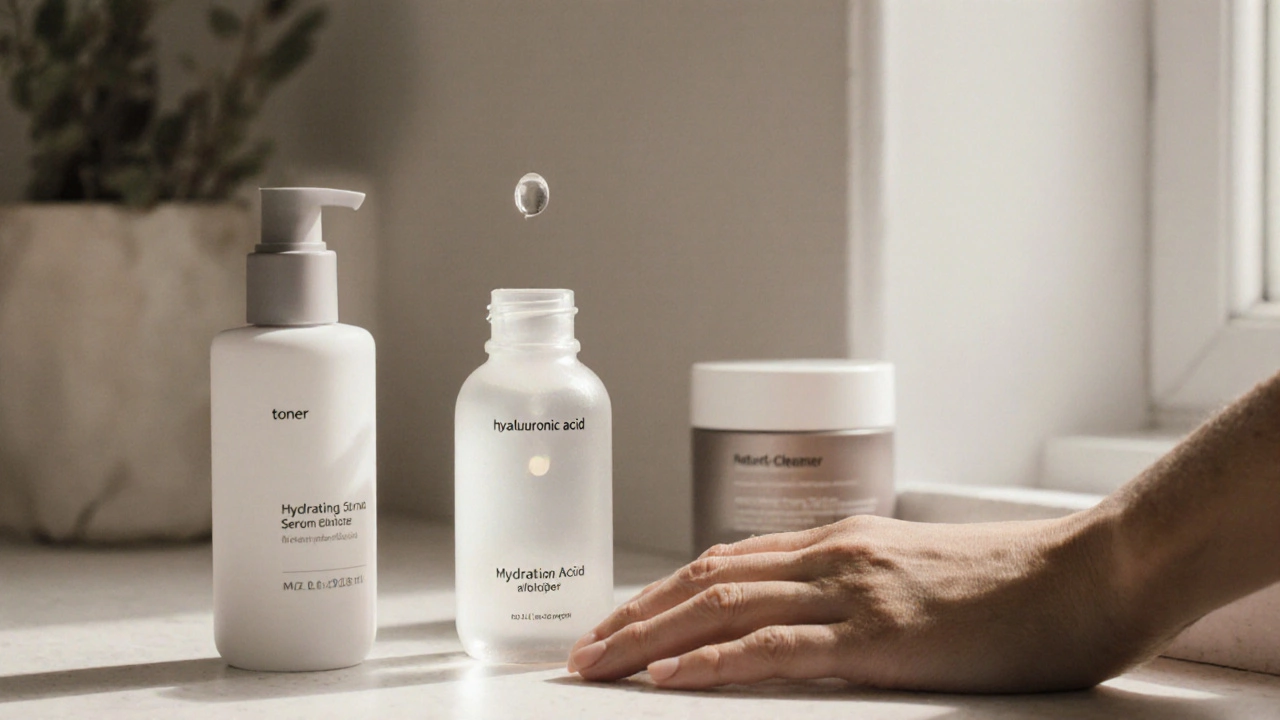
When you hear toner for skin, a liquid product applied after cleansing to balance pH and prep skin for serums. Also known as facial toner, it’s not just a marketing gimmick—it’s a real step in many effective routines, especially if your skin feels tight, oily, or uneven after washing. But here’s the truth: not everyone needs it. If your cleanser is gentle and your skin stays balanced, skipping toner won’t hurt. But if you’re dealing with acne, large pores, or dullness, the right toner can make a noticeable difference.
What makes a toner work? It’s usually about what’s in it. salicylic acid, a beta hydroxy acid that clears pores and fights breakouts is a game-changer for oily or acne-prone skin. witch hazel, a natural astringent that reduces shine and soothes irritation works well for sensitive types, but avoid alcohol-heavy versions—they dry out skin over time. Then there’s hyaluronic acid, a hydrating hero that pulls moisture into skin without clogging pores, perfect if your skin feels dehydrated even after moisturizing. The key isn’t using toner because it’s trendy—it’s using the right one for your skin’s actual needs.
Think of toner as the middle step between cleaning and treating. After washing your face, your skin’s pH can be off-balance. Toner helps reset that, so your serums and moisturizers actually absorb better. It’s not about adding more products—it’s about making the ones you use work harder. And if you’re following a 5-step skincare routine, a simple system: cleanse, tone, treat, moisturize, protect, then toner is the quiet connector that holds it all together.
You’ll find tons of toners in stores, but most don’t deliver. The ones that do? They’re simple, focused, and free of fragrance and alcohol. You don’t need 10 ingredients—just one or two that solve your problem. If your skin gets red or tight after cleansing, look for calming agents like centella asiatica or chamomile. If you’re fighting blackheads, go for gentle exfoliants like glycolic or lactic acid. And if you’re unsure? Start with a hydrating toner. It’s the safest bet for most people.
This collection of posts dives into exactly what you need to know: how toner fits into a real daily routine, what ingredients actually help, and why some so-called "miracle" toners are just expensive water. You’ll also find links to deeper guides on toner for skin routines, how to pick the right one for your skin type, and what to avoid if you want results—not irritation. No hype. No fluff. Just clear, practical info that works with your life, not against it.
Toner isn't necessary for most people. Learn when it actually helps your skin-and when it's just extra steps adding irritation and cost to your routine.