Soil Preparation Timeline Calculator
Find Your Optimal Preparation Time
Enter your specific conditions to get personalized recommendations for preparing your Australian garden.
Recommended Preparation Time
This estimate accounts for soil type, plant selection, and Australian climate conditions. For heavy clay soils, add 1-2 extra weeks for soil amendment integration.
Preparing your yard for planting isn’t just about digging holes and dropping in seeds. If you skip the groundwork, even the healthiest plants will struggle. In Sydney, where summers can hit 40°C and winter rains bring soggy soil, timing and technique make all the difference. The goal? Build a foundation that lets your plants thrive, not just survive.
Start with a Clear Plan
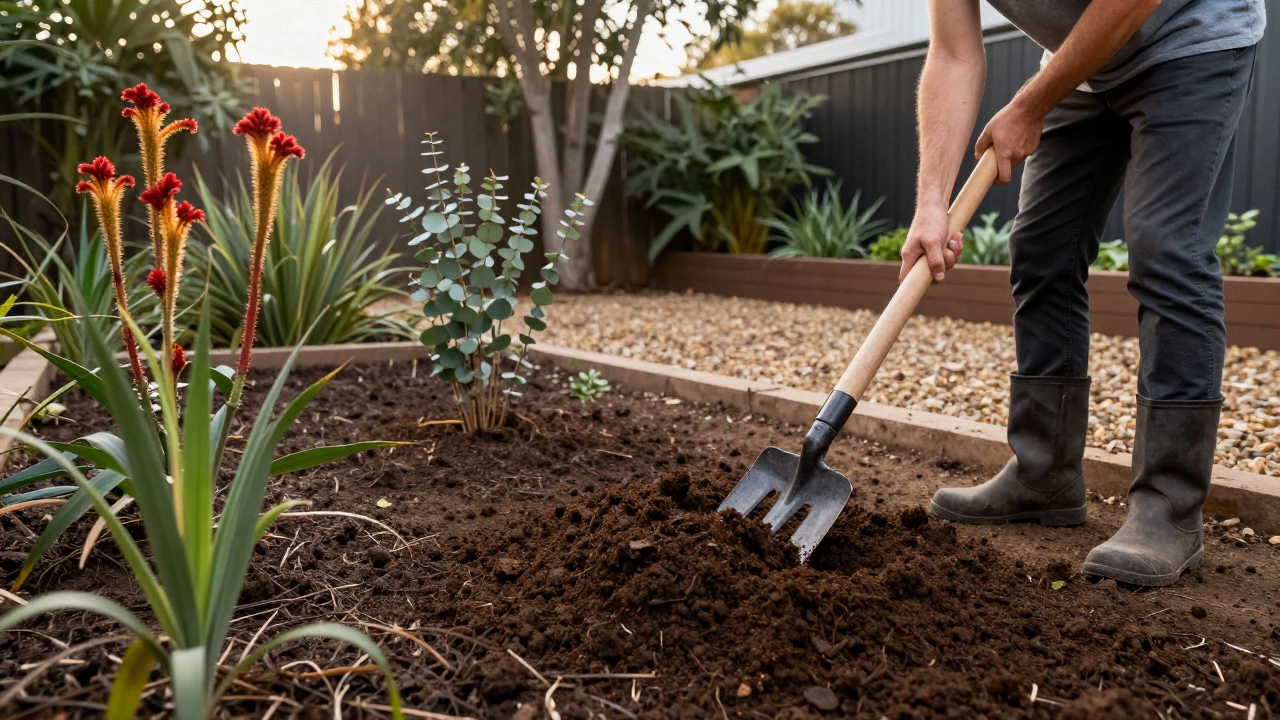
Before you grab a shovel, ask yourself: what are you planting? Vegetables, native wildflowers, fruit trees, or a mix? Each has different needs. Leafy greens like lettuce and spinach want rich, loose soil and partial shade. Tomatoes and peppers need at least six hours of full sun and well-drained ground. Native plants like kangaroo paw or eucalyptus seedlings are built for our dry spells but still need good soil structure to get started.
Sketch a rough layout. Mark where the sun hits hardest during the day. Notice low spots where water pools after rain. These aren’t just annoyances-they’re clues. Low spots can become rain gardens. Sunny patches are perfect for tomatoes. Planning now saves you from replanting in a few months.
Remove Weeds and Debris
Weeds aren’t just ugly-they’re competitors. They steal water, nutrients, and sunlight. Don’t just pull them. Get the roots. Perennial weeds like bindii or creeping oxalis come back if you leave even a tiny piece of root behind. Use a garden fork to lift them out cleanly. For stubborn patches, cover the area with thick cardboard or black plastic for 3-4 weeks. This blocks light and smothers them without chemicals.
Clear out old plant debris, broken pots, rocks, and sticks. If you’ve had plants in the spot before, remove the old roots. They can harbor diseases or pests. A clean slate gives your new plants a fighting chance.
Test Your Soil
You can’t fix what you don’t understand. Australian soils vary wildly-from sandy coastal soils to heavy clay in the west. In Sydney, many gardens have clay-heavy soil that turns to concrete when dry and sludge when wet. The best way to know? Test it.
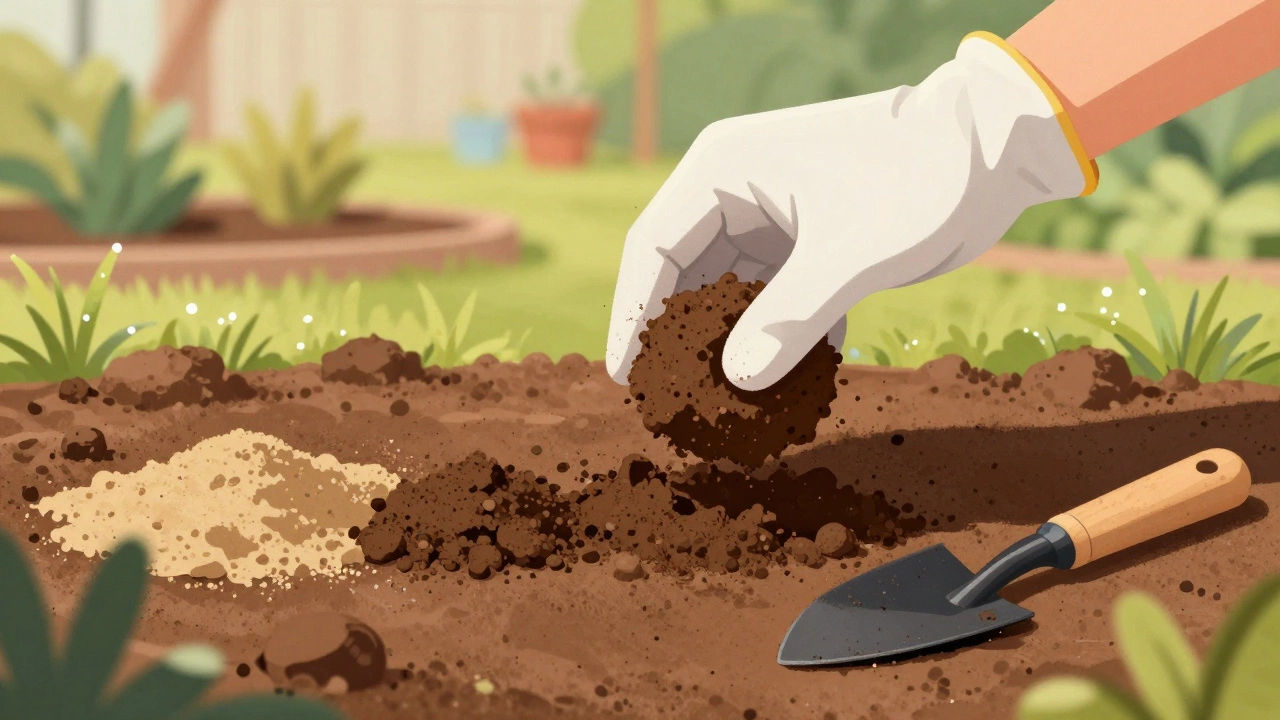
Grab a trowel and dig down about 15 cm. Scoop a handful. Squeeze it into a ball. If it holds shape like a mud pie, it’s clay. If it crumbles apart, it’s sandy. If it holds loosely but falls apart when poked, you’ve got loam-the ideal. Most home gardeners don’t test pH, but it matters. Most veggies like a pH between 6.0 and 7.0. Too acidic? Add lime. Too alkaline? Add sulfur or composted pine needles.
Local nurseries often offer cheap soil tests. Or buy a simple kit online. Knowing your soil type tells you exactly what to add-and what to avoid.
Amend the Soil
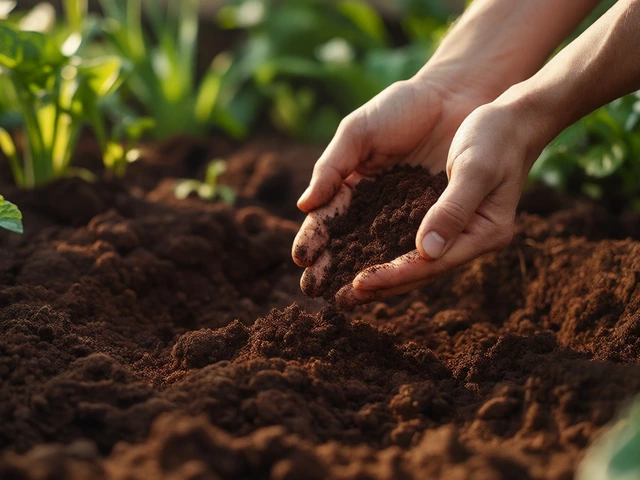
Most gardens need help. Even if your soil feels okay, it’s probably lacking organic matter. That’s where compost comes in. Spread 5-10 cm of well-rotted compost over the whole area. You can use homemade compost, mushroom compost, or even worm castings. Mix it into the top 15-20 cm of soil using a fork or tiller. Don’t just dump it on top-mixing it in lets roots grow into it easily.
If you have clay soil, add coarse sand or perlite. This opens up the structure so water and air can move. For sandy soil, add more compost. It holds moisture better than raw sand.
Avoid using fresh manure. It’s too hot and can burn roots. Stick to aged, composted versions. And skip synthetic fertilizers at this stage. They feed plants fast but don’t feed the soil. Healthy soil feeds plants naturally over time.
Improve Drainage
Waterlogged roots rot. That’s how plants die in winter. If your yard holds water for more than a day after rain, you need drainage help. Raise planting beds by 10-15 cm. This lets water run off instead of pooling. Line the bottom of raised beds with coarse gravel or crushed rock. It acts like a sponge that drains excess water.
For flat areas, dig shallow swales-gentle ditches-along slopes to redirect water away from planting zones. You can also install French drains using perforated pipes and gravel if water keeps flooding the same spot every year.
Let It Settle
After you’ve amended and leveled the soil, walk away for a week. Water it lightly once or twice. This helps everything settle. It also wakes up any hidden weed seeds. When they sprout, pull them. Then wait another few days. This is called preparing the seedbed. It’s not optional. Rushing this step means you’ll be weeding for months.
During this time, check the soil texture again. It should feel crumbly, not sticky or dusty. If it’s still compacted, lightly fork it again. Don’t walk on it after watering-your weight will re-compact it. Use a board to step on if you need to move around.
Choose the Right Time
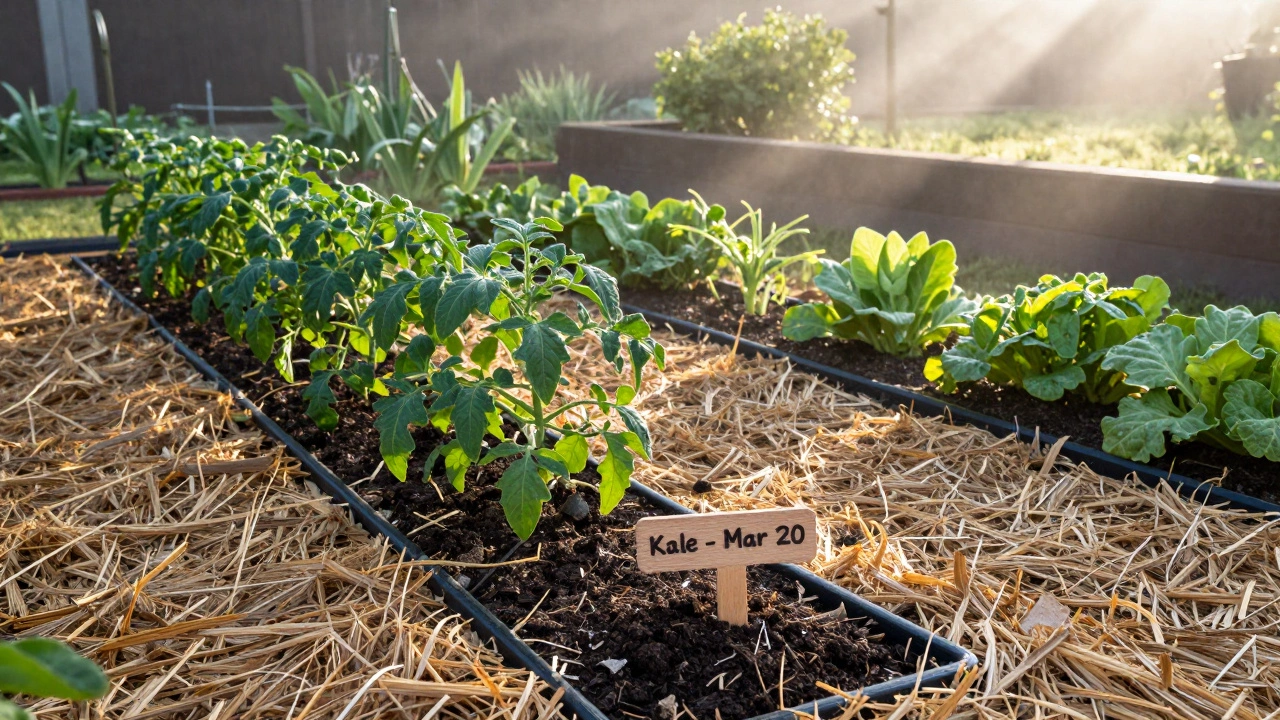
In Sydney, the best time to prepare your yard is late winter to early spring-late July through September. The soil is warming up, rain is still frequent enough to keep things moist, and frost risk is fading. If you’re planting summer crops like tomatoes or zucchini, aim for late August. For winter veggies like kale or broccoli, prepare in March or April.
Don’t plant in summer unless you’re using containers with daily watering. The heat dries out new roots too fast. And avoid fall planting unless you’re using cold-hardy natives. Most plants need 6-8 weeks to get established before cold weather hits.
Final Touches
Once the soil is ready, mulch. Use straw, wood chips, or recycled garden mulch. Spread a 5 cm layer around your plants. It keeps the soil cool, cuts down on watering, and stops weeds before they start. Keep mulch away from plant stems-leave a small gap so moisture doesn’t rot the base.
Install drip irrigation if you can. It’s more efficient than sprinklers, especially in dry spells. You can do it yourself with a basic kit from a hardware store. Set it to run early in the morning so water soaks in before the sun evaporates it.
And don’t forget labels. Write down what you planted and where. You’ll thank yourself in a few weeks when you can’t tell the parsley from the weeds.
What to Avoid
- Don’t use topsoil from a bag unless you know its source. Many are just fill dirt with no nutrients.
- Avoid plastic sheeting under mulch. It blocks air and water from reaching roots.
- Don’t plant too deep. Most seedlings should be at the same depth they were in their pots.
- Don’t fertilize right after planting. Wait 3-4 weeks until roots are active.
Preparing your yard for planting is about patience, not speed. It’s not glamorous, but it’s the reason some gardens explode with life while others barely survive. Do the work now, and your garden will repay you tenfold in color, flavor, and calm.
How long before planting should I prepare my yard?
Start preparing at least 2-4 weeks before planting. This gives time for weeds to die off, soil amendments to integrate, and the ground to settle. If you’re dealing with heavy clay or lots of weeds, give it 6 weeks. Rushing leads to more work later.
Can I plant immediately after adding compost?
Yes, but only if the compost is fully rotted. Fresh compost can be too hot and burn young roots. If it smells earthy and looks dark and crumbly, it’s ready. If it still looks like food scraps or smells sour, wait another 2-3 weeks. You can test it by planting a few fast-growing seeds like radishes-if they sprout and look healthy, your soil is good to go.
Is it okay to use garden soil from a bag?
Be careful. Most bagged "garden soil" is just fill dirt with low nutrients. What you want is "potting mix" for containers or "compost-amended topsoil" for beds. Look for products labeled as organic or certified by Australian standards. Avoid anything that feels too light or dusty-it’s probably just sand and peat. Always mix bagged soil with your existing soil, not replace it entirely.
What’s the best way to deal with clay soil in Sydney?
Clay soil holds water but suffocates roots. The fix is organic matter. Add 10 cm of compost or well-rotted manure and mix it deep into the top 20-30 cm. Add coarse sand or perlite to improve drainage. Raised beds work wonders here. Planting in mounds or ridges also helps. Over time, earthworms and microbes will break down the clay. Don’t add gypsum unless a soil test shows high sodium-it’s not a magic fix for all clay.
Should I remove my lawn before planting?
If you’re turning grass into a vegetable patch or flower bed, yes. Lawn grass has deep, tough roots that compete with your plants. Remove it by digging, using a sod cutter, or smothering it with cardboard and mulch for 6-8 weeks. Don’t just till it under-that spreads the roots and makes them worse. Starting fresh means less work later.