Eco-Friendly Impact Calculator
Calculate Your Environmental Impact
See how much you can reduce your carbon footprint with simple daily actions. Based on Australian data.
Eco-Friendly Activities
Why It Matters
Plastic Reduction CO2 Absorption Energy Savings
Key Benefits
- Save $500/year on bottled water
- Reduce landfill waste by 90%
- Support local biodiversity
- Cut household emissions by 2.5 tonnes yearly
Your Environmental Impact
Plastic Bottles Saved
CO2 Absorbed
Native Trees
Carbon Savings
Tips to Improve
Water Keep a bottle in your bag or car for easy access.
Plants Visit your local council for free native seedlings.
Energy Check Energy Made Easy for green energy providers.
Eco-friendly activities are simple, everyday choices that reduce environmental impact without requiring major lifestyle changes. These activities include actions like using reusable products, conserving water, and switching to renewable energy sources. They are accessible to everyone and can significantly reduce personal carbon footprints. Did you know that the average Australian household throws away over 150 plastic water bottles each year? It’s a staggering number-and it’s entirely preventable. The good news is that small changes in your daily routine can have a huge impact on the environment. Here are three simple, actionable eco-friendly activities you can start today.
Carry a Reusable Water Bottle
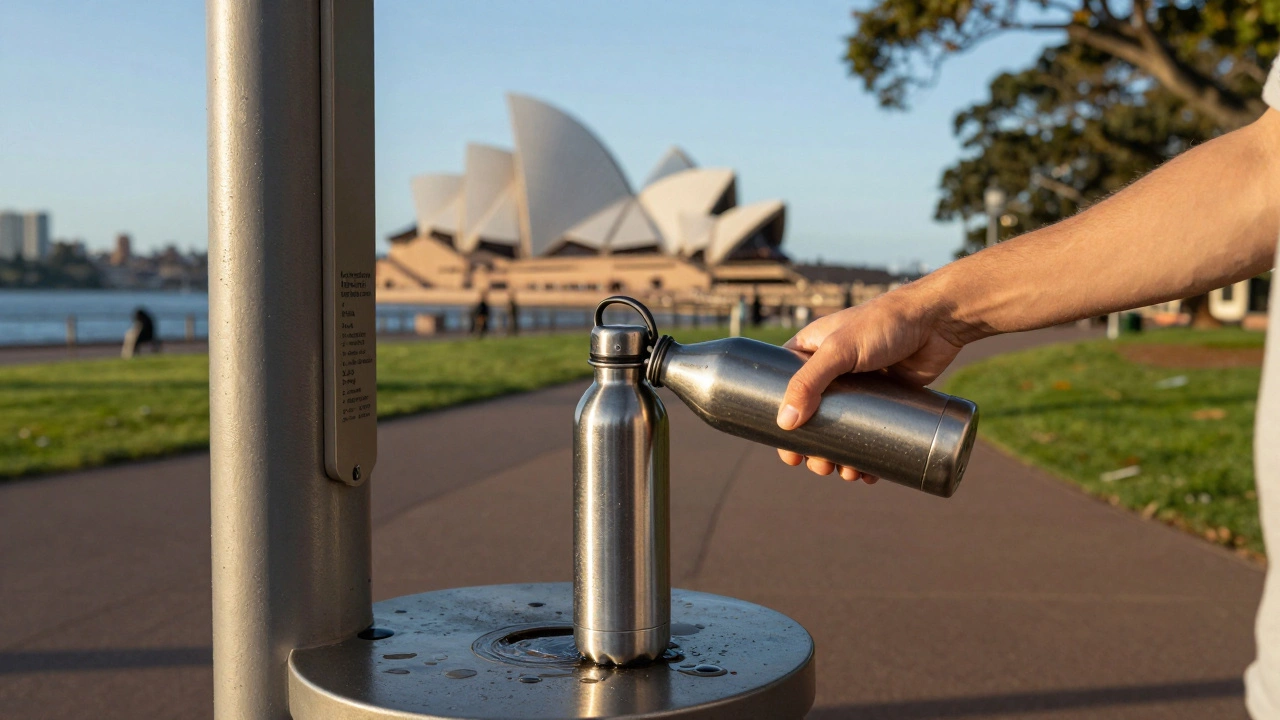
Reusable water bottles are durable containers designed to replace single-use plastic bottles, reducing waste and conserving resources. Made from materials like stainless steel or glass, they can last for years with proper care. Swapping single-use plastic bottles for a reusable one is one of the easiest eco-friendly habits. In Australia, over 1.5 billion plastic bottles end up in landfills annually. By switching, you can save hundreds of bottles each year. Here’s how to make it stick:
- Keep a bottle in your bag or car so you always have it handy.
- Use tap water-Sydney’s water is safe and tastes great.
- Find public refill stations; Sydney has over 200 across parks and train stations.
According to a 2025 study by the Australian Conservation Foundation, households using reusable bottles reduce plastic waste by 90% compared to single-use users. Plus, you’ll save money-buying bottled water adds up to $500 a year!
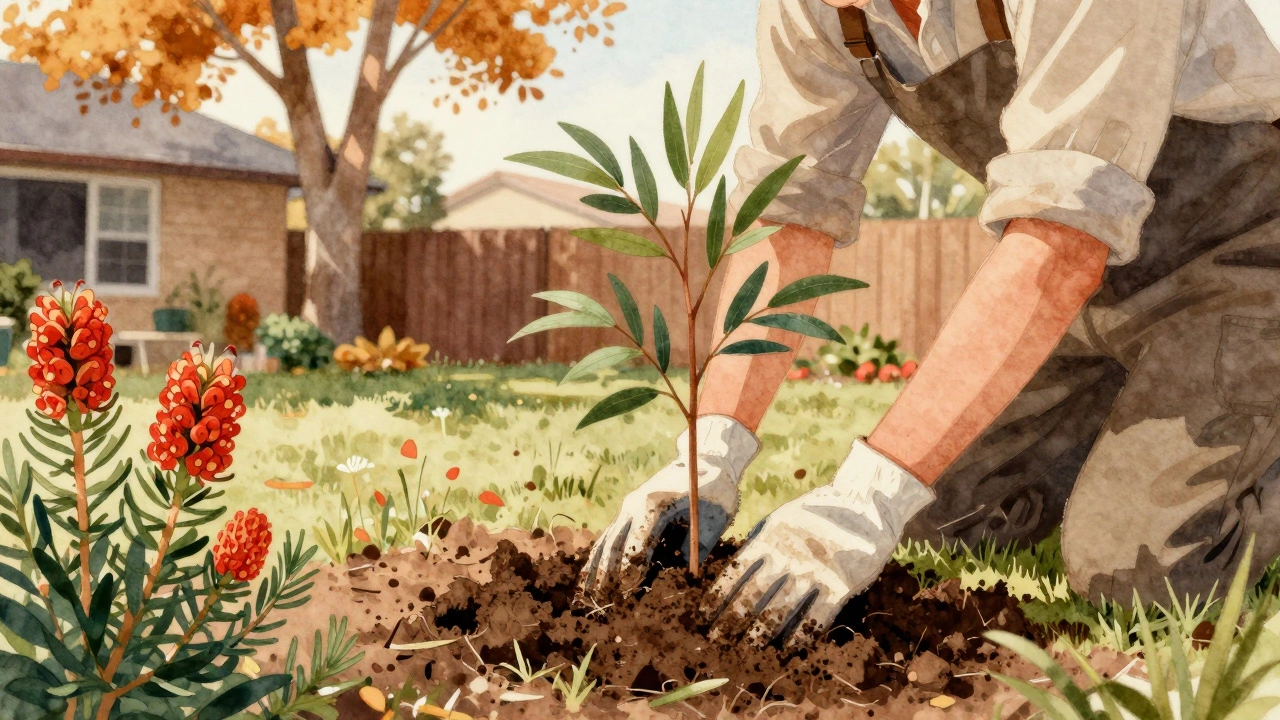
Plant Native Trees and Shrubs
Native plants are species naturally adapted to Australia’s climate and soil. They require less water, support local wildlife, and help prevent soil erosion. Replacing exotic garden plants with native species makes a big difference. In Sydney, a single native tree like the Sydney blue gum (Eucalyptus saligna) can absorb up to 22 kg of CO2 each year. Plus, they need 50% less water than non-native plants. Here’s how to get started:
- Visit your local council’s website-many offer free native seedlings to residents.
- Choose plants like coastal rosemary or banksias that thrive in your area.
- Plant in autumn or spring for best growth.
The NSW government’s Native Plants program has distributed over 100,000 free seedlings since 2023. Even planting one tree in your yard supports biodiversity and reduces heat in urban areas.

Switch to Renewable Energy
Renewable energy providers are electricity suppliers that generate power from solar, wind, or hydro sources. Switching to them reduces household carbon emissions significantly. Over 3 million Australian homes have already made the switch, cutting emissions by 2.5 million tonnes annually. Here’s how to find the right provider:
| Provider | Renewable % | Price Difference | Special Features |
|---|---|---|---|
| Green Energy Australia | 100% | +5% vs standard | Free solar panel installation |
| Momentum Energy | 100% | +3% vs standard | Carbon offsetting included |
| Origin Energy | 50% | +2% vs standard | Flexible payment plans |
Switching takes just 10 minutes online. The Clean Energy Council lists accredited providers in your area. For example, a family of four switching to 100% renewable energy can reduce their carbon footprint by over 2.5 tonnes yearly-equivalent to planting 40 trees.
Can I compost in an apartment without a garden?
Yes! Many apartment dwellers use small-scale composting methods like Bokashi bins or vermicomposting (worm farming). These systems fit under sinks or in balconies. The City of Sydney offers free workshops on apartment composting, and local community gardens often accept compost. Even small amounts of food waste diverted from landfill helps reduce methane emissions.
What native plants are best for Sydney gardens?
Native plants like the Sydney golden wattle (Acacia longifolia), coastal rosemary (Westringia fruticosa), and banksias are perfect for Sydney’s climate. They require less water, attract local birds and insects, and are disease-resistant. The NSW government’s Native Plants program provides free seedlings to residents-just check your local council website for details.
How do I know if my energy provider is truly green?
Look for providers certified by the Clean Energy Council. They must supply 100% renewable energy or offset emissions through accredited projects. Avoid providers using vague terms like "green" without proof. Most companies list their renewable sources on their website-check for specific percentages and third-party verification.
Is switching to renewable energy expensive?
Not necessarily. While some green providers charge slightly more, many offer competitive rates. In fact, 60% of Australian households now pay less for renewable energy than for fossil fuel-based plans. Government rebates for solar panels also help offset costs. The key is comparing plans using the Energy Made Easy website-your bill could drop by $200 annually.
What if I can’t afford reusable products?
Start small! Use what you already have-a mason jar for groceries, an old T-shirt as a cleaning rag. Many councils offer free reusable bags at libraries or community centers. Second-hand stores sell affordable water bottles and containers. The goal isn’t perfection-it’s progress. Even one reusable item makes a difference.