
Why Is My House Cluttered? Diagnostic Tool
Struggling to keep your space tidy? Answer these questions to find out if the issue is psychological, environmental, or systemic.
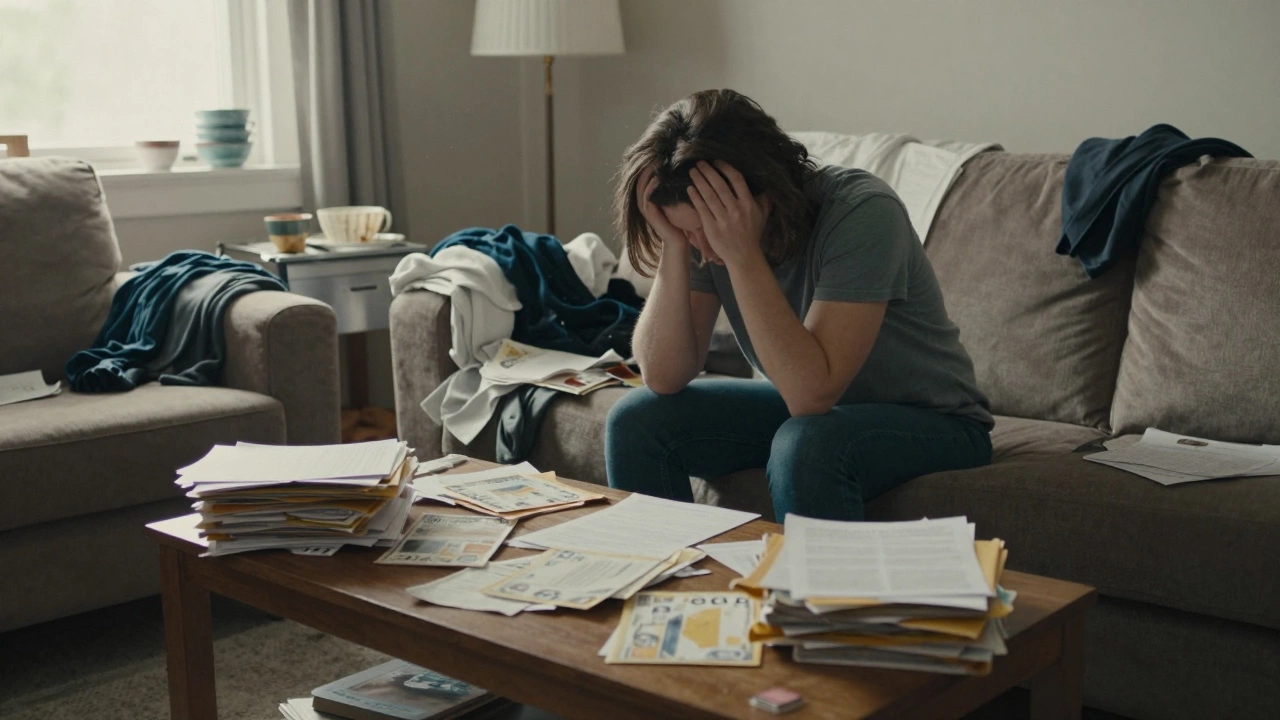
You stand in the middle of your living room. There is a pile of mail on the coffee table, a stack of laundry on the armchair, and dishes waiting in the sink. You know you need to clean up. You have even bought colorful bins and labels for this exact purpose. Yet, an hour later, you are still sitting there, staring at the mess, feeling more exhausted than when you started. If this sounds familiar, you are not lazy. You are likely fighting against a system that does not fit your life.
The struggle to organize a home is rarely about a lack of willpower. It is usually a mismatch between your environment and your daily habits. Most advice tells you to buy more storage or follow strict rules. But if you do not understand why the clutter accumulates in the first place, no amount of plastic containers will help. Let’s look at the real reasons your house feels out of control and how to fix them without burning out.
The Psychology Behind Clutter
Clutter is not just physical; it is emotional. Many people hold onto items because they represent memories, potential futures, or unresolved decisions. This is known as decision fatigue. When you are surrounded by too many choices-what to wear, what to eat, what to read-your brain gets tired. Every item on your counter demands a tiny bit of mental energy to process. When that energy runs out, you stop cleaning.
Consider the concept of sensory overload. For some, a busy visual environment triggers anxiety. For others, minimalism feels cold and uninviting. Neither approach is wrong, but forcing yourself into a style that clashes with your natural temperament will fail. If you love collecting books, trying to live like a minimalist who owns only ten volumes is a recipe for stress. Your home should reflect who you are, not who you think you should be.
Another factor is perfectionism. You might feel that if you cannot spend three hours deep-cleaning every surface, then it is not worth starting. This all-or-nothing mindset leads to paralysis. Instead of aiming for a magazine-worthy spread, aim for "good enough." A slightly messy but functional home is better than a pristine one you are afraid to use.
Your Home Does Not Match Your Habits
One of the biggest reasons organization fails is that we try to force our lives into systems designed for other people. Think about where you actually spend your time. Do you cook dinner every night? Then your kitchen needs to be the most organized space. Do you work from home? Your office setup matters more than a guest room you never use.
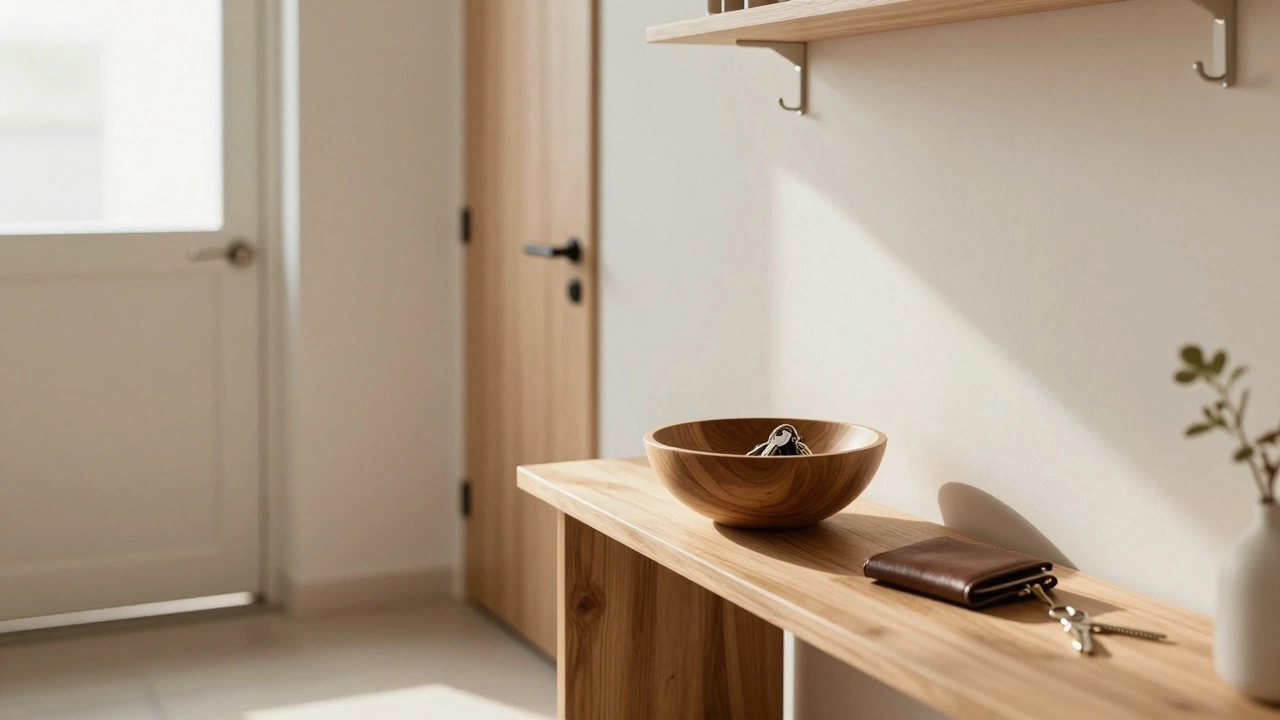
Home organization tips often ignore the flow of daily life. For example, if you come home tired and drop your keys on the table, buying a fancy key hook in the entryway won’t help unless you change the habit. You need a system that requires zero effort. Place a bowl near the door where you naturally walk in. Make the right choice the easy choice.
Look at your "landing zones." These are the spots where things naturally accumulate: the entryway, the kitchen counter, the bedroom dresser. If these areas are chaotic, the rest of the house will feel chaotic too. Start by defining a clear purpose for each landing zone. What belongs there? What does not? Keep only essential items within reach and store everything else away.
The Problem with Too Many Systems
In 2026, we are bombarded with organizational trends. From color-coded closets to complex filing methods, it seems like everyone has a new way to sort their life. But complexity is the enemy of consistency. If a system takes more than five minutes to maintain, you will abandon it.
Simplicity wins. Use basic categories instead of sub-categories. Instead of sorting papers into "bills," "receipts," "warranties," and "taxes," just use two boxes: "To Pay" and "Keep." When the "Keep" box fills up, digitize or shred what you can. The goal is to reduce friction, not add steps.
Also, avoid buying storage solutions before you declutter. It is tempting to buy shelves to hide the mess, but this only postpones the problem. You end up paying for space to store things you do not need. First, remove the excess. Then, assess what remains. Only then should you invest in containers or organizers.
Start Small: The One-Touch Rule
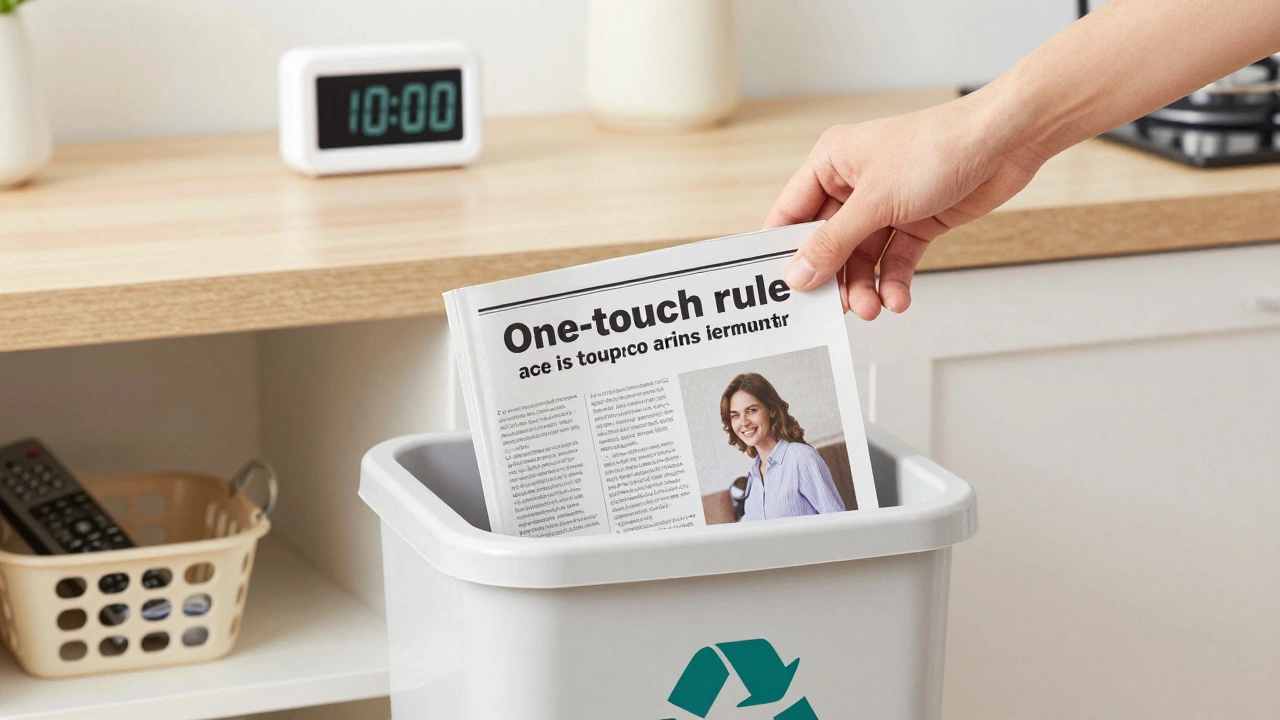
Trying to organize the whole house at once is overwhelming. Break it down into tiny, manageable tasks. The "one-touch rule" is powerful: handle an item only once. When you take off your coat, hang it up immediately. When you finish reading a magazine, recycle it. Do not put it down to deal with later. "Later" usually means "never."
- Set a timer: Give yourself ten minutes to tidy one area. When the timer goes off, stop. This reduces the pressure to perfect.
- Focus on vertical space: Shelves and hooks free up floor space, making rooms feel larger and cleaner.
- Use baskets: Baskets hide visual noise. Throw remote controls, toys, or cables into a basket to create instant order.
Consistency beats intensity. Ten minutes a day is better than four hours once a month. Build small habits that compound over time. Before you know it, your home will feel lighter and more inviting.
When to Seek Help
Sometimes, the inability to organize is linked to deeper issues like ADHD, depression, or chronic stress. If you find that clutter is causing significant distress or interfering with your daily life, consider speaking with a professional. Therapists can help address the emotional barriers, while professional organizers can provide personalized strategies tailored to your specific challenges.
Remember, your home is a tool for living, not a museum. It is okay to make mistakes. It is okay to have mess. The goal is not perfection; it is peace of mind. By understanding your habits and simplifying your systems, you can create a space that supports you, rather than stressing you out.
Why do I keep getting cluttered even after cleaning?
This often happens because the underlying habits haven't changed. If you don't have a designated place for everyday items, they will accumulate again. Focus on creating simple "homes" for your things and maintaining them with quick, daily touches rather than large, infrequent cleans.
How can I start organizing if I'm overwhelmed?
Start with a single drawer or shelf. Set a timer for 10 minutes and focus only on that small area. Completing a tiny task builds momentum and confidence. Avoid looking at the bigger picture until you have established a routine.
Is it normal to feel guilty about a messy house?
Yes, societal pressure often makes us feel ashamed of clutter. However, guilt is counterproductive. It drains the energy you need to clean. Replace guilt with curiosity: ask yourself what the clutter is telling you about your current lifestyle or stress levels.
Do I need to buy special organizers?
No. In fact, buying organizers before decluttering can worsen the problem. Use what you already have, like boxes or jars. Only purchase new tools if they solve a specific problem that existing items cannot.
What is the best method for maintaining organization?
The "one-touch" rule is highly effective. Handle items once and put them away immediately. Additionally, spend 5-10 minutes each evening resetting your main living spaces. This prevents clutter from building up overnight.