Belly Fat Burn Potential Calculator
Enter your details below to get personalized daily targets for protein and fiber, key factors in lowering insulin and burning visceral fat.
Daily Protein Target
--
grams per day
Why? High protein increases satiety and has a high thermic effect (burning 20-30% of calories during digestion). Aim for 1.2–1.6g per kg of body weight.
Soluble Fiber Goal
--
grams per day
Why? Soluble fiber slows digestion and stabilizes blood sugar. Studies show every 10g increase can reduce visceral fat accumulation by 3.7% over time.
Lifestyle Checklist
To maximize these nutritional targets, ensure you are also:
- Sleep Getting 7-9 hours to regulate ghrelin/leptin.
- Stress Managing cortisol levels to prevent abdominal fat storage.
- Exercise Incorporating HIIT or strength training to boost metabolic rate.
You’ve probably heard it a thousand times: you can’t spot-reduce belly fat. You can’t just do sit-ups and watch the middle melt away. But here’s the twist that most diet gurus gloss over-you absolutely can influence where your body stores and burns fat through specific food choices and lifestyle tweaks. While genetics play a role in whether you’re an “apple” or a “pear,” visceral fat (the dangerous kind wrapped around your organs) is metabolically active. It responds to what you eat and how you move.
So, what actually burns the most belly fat? It isn’t one magic pill. It’s a combination of lowering insulin levels, increasing satiety, and boosting metabolic rate. If you’re tired of crunches that don’t work, let’s look at the concrete steps that actually shift the needle on midsection size.
The Insulin Switch: Why Sugar Is Your Enemy
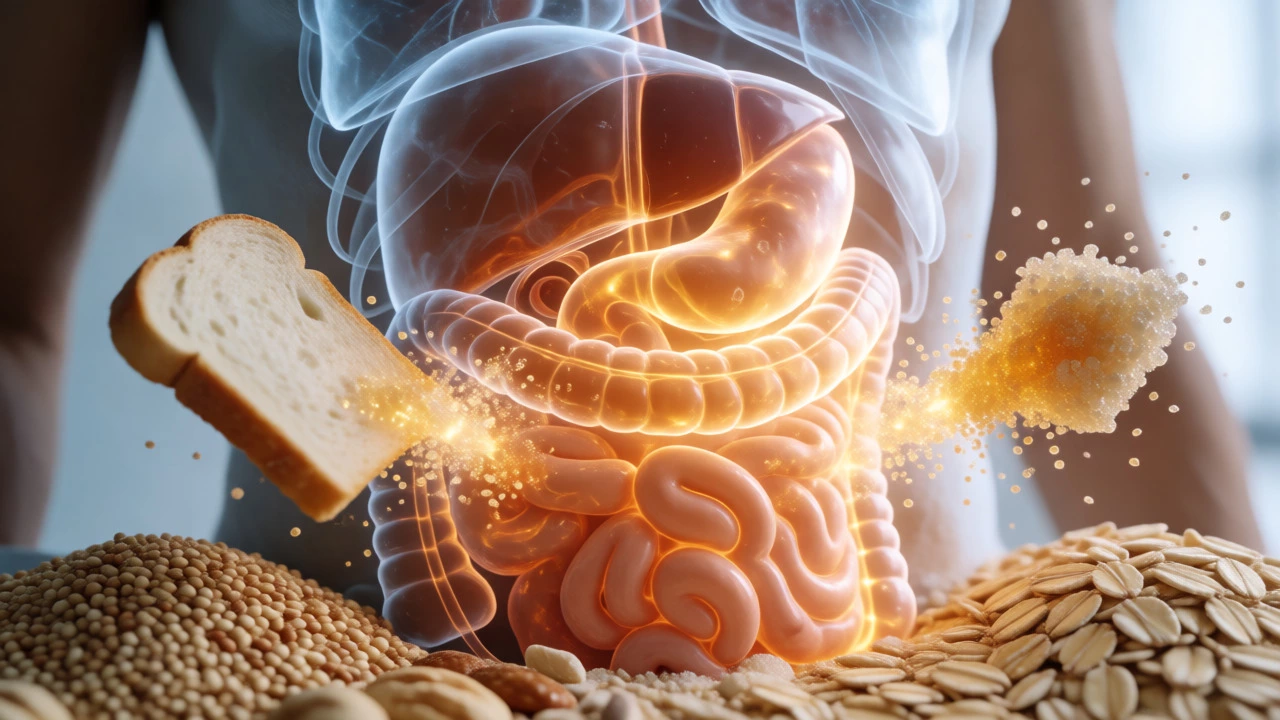
Before we talk about burning fat, we have to talk about storing it. The primary hormone responsible for fat storage is insulin. When you spike your blood sugar with refined carbs-think white bread, sugary coffee drinks, or pastries-your pancreas releases insulin. High insulin levels signal your body to store energy as fat, particularly in the abdominal area.
To burn belly fat, you need to keep insulin low. This doesn’t mean going keto if you hate bacon, but it does mean prioritizing foods with a low glycemic index. For example, swapping white rice for quinoa or cauliflower rice reduces the glucose load. A study published in the American Journal of Clinical Nutrition showed that individuals who consumed more whole grains had significantly less visceral fat than those eating refined grains. The mechanism is simple: whole grains digest slowly, keeping insulin steady.
Protein: The Most Underrated Fat Burner
If there is one macronutrient that correlates strongly with lower belly fat, it’s protein. Research consistently shows that people who eat more protein tend to have less belly fat. Why? Two reasons. First, protein has a high thermic effect. Your body uses about 20-30% of the calories in protein just to digest it, compared to only 5-10% for carbs. Second, protein keeps you full. If you’re not hungry, you’re not snacking on biscuits at 4 PM.
Aim for 1.2 to 1.6 grams of protein per kilogram of body weight daily. For a 70kg person, that’s roughly 85-110g of protein. Spread this out across meals. Breakfast is often the weakest link for many people. Instead of toast and jam, try eggs with spinach, Greek yogurt with berries, or a tofu scramble. These options stabilize blood sugar from the start of the day.
Fiber: The Silent Metabolic Helper
Not all fiber is created equal. Soluble fiber, found in oats, flaxseeds, avocados, and legumes, mixes with water to form a gel-like substance. This slows down digestion and helps control blood sugar spikes. More importantly, soluble fiber is linked specifically to reduced visceral fat. A study in Obesity found that for every 10-gram increase in soluble fiber eaten per day, visceral fat accumulation decreased by 3.7% over five years without any other changes.
Increase your vegetable intake gradually. Adding too much fiber too fast can cause bloating, which might make your belly look larger temporarily even if fat is decreasing. Start with lentils, Brussels sprouts, and chia seeds. These are dense in nutrients and low in calorie density, allowing you to eat a larger volume of food while consuming fewer calories.
HIIT vs. Steady-State Cardio: Which Works Better?
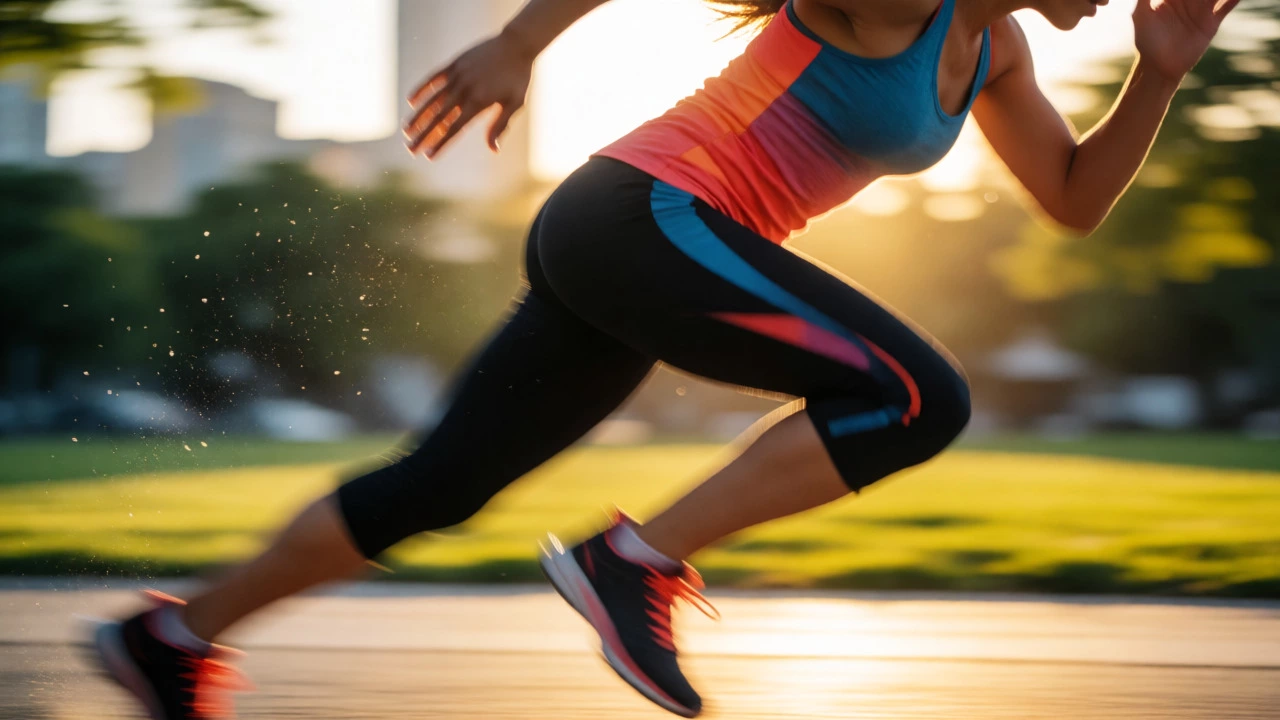
When it comes to exercise, cardio is essential, but not all cardio is equal for belly fat. Long, slow jogging burns calories, but it doesn’t necessarily target visceral fat efficiently. High-Intensity Interval Training (HIIT) has been shown in multiple meta-analyses to be more effective at reducing abdominal fat than moderate-intensity continuous training.
Why? HIIT creates an oxygen debt. After the workout, your body continues to burn calories at an elevated rate to restore balance-a phenomenon known as EPOC (Excess Post-exercise Oxygen Consumption). This means you’re burning fat for hours after you’ve left the gym. Try 20 minutes of HIIT twice a week. Sprint for 30 seconds, walk for 60 seconds. Repeat. It’s brutal, but it works.
However, don’t ignore strength training. Building muscle increases your resting metabolic rate. Muscle tissue is metabolically expensive; it requires more energy to maintain than fat tissue. So, the more muscle you have, the more calories you burn sitting on the couch.
The Cortisol Connection: Stress and Sleep
You can eat perfectly and train hard, but if you’re sleeping four hours a night and stressed out of your mind, your belly won’t shrink. Chronic stress elevates cortisol, a hormone that promotes fat storage in the abdomen. Cortisol also increases appetite and cravings for high-sugar, high-fat comfort foods.
Sleep deprivation disrupts leptin and ghrelin, the hormones that regulate hunger and fullness. When you’re tired, ghrelin goes up (you get hungrier) and leptin goes down (you feel less satisfied). Aim for 7-9 hours of quality sleep. Create a wind-down routine: no screens an hour before bed, cool room temperature, and consistent wake-up times. This isn’t just wellness fluff; it’s physiology.

Practical Food Swaps for a Flatter Midsection
Let’s make this actionable. Here are some direct swaps that reduce insulin spikes and increase satiety:
- Swap White Rice for Cauliflower Rice: Cuts carbs by ~80% and adds volume.
- Swap Soda for Sparkling Water with Lime: Eliminates liquid sugar entirely.
- Swap Ice Cream for Frozen Berries with Greek Yogurt: Provides sweetness with protein and fiber.
- Swap Crackers for Apple Slices with Almond Butter: Adds healthy fats and fiber instead of empty starch.
- Swap Processed Deli Meat for Leftover Chicken Breast: Removes nitrates and excess sodium that cause water retention.
| Strategy | Mechanism | Effectiveness | Sustainability |
|---|---|---|---|
| Low Carb/Keto | Lowers insulin, depletes glycogen | High initial loss | Moderate (hard to maintain) |
| High Protein | Increases satiety, boosts metabolism | Consistent long-term loss | High (flexible) |
| Intermittent Fasting | Reduces eating window, lowers insulin | Variable (depends on total calories) | High (simple rule) |
| Mediterranean Diet | Anti-inflammatory, high fiber/fat | Steady reduction | Very High (lifestyle-based) |
Hydration and Alcohol: The Hidden Factors
Alcohol is a major contributor to the “beer belly.” Not because beer itself is fattening, but because alcohol stops fat burning. Your body prioritizes breaking down alcohol (which it sees as a toxin) over burning fat. Plus, alcohol lowers inhibitions, leading to poor food choices later in the night.
Water, on the other hand, aids lipolysis-the process of breaking down fat cells. Even mild dehydration can slow your metabolism. Drink half your body weight in ounces of water daily. If you find plain water boring, add cucumber, mint, or lemon slices. Avoid artificial sweeteners if they trigger cravings for you; some studies suggest they can confuse the brain’s reward system, leading to increased calorie intake later.
Putting It All Together
Burning belly fat isn’t about punishing yourself. It’s about creating an environment where your body feels safe enough to release stored energy. That means stable blood sugar, adequate protein, sufficient sleep, and movement that challenges your heart and muscles.
Start small. Pick one swap from the list above. Add two HIIT sessions to your week. Prioritize bedtime. Track how you feel, not just the number on the scale. Visceral fat is stubborn, but it’s responsive. Give it three months of consistent effort, and you’ll likely see-and feel-a significant difference.
Can I lose belly fat by doing only ab exercises?
No. Ab exercises strengthen the muscles underneath the fat, but they do not burn the fat covering them. Spot reduction is a myth. To lose belly fat, you must create a calorie deficit through diet and overall physical activity, which leads to systemic fat loss.
How long does it take to see results in belly fat reduction?
Most people notice visible changes in 4-8 weeks with consistent dietary changes and exercise. However, visceral fat may begin responding internally within days due to improved insulin sensitivity. Patience and consistency are key.
Is fasting good for burning belly fat?
Intermittent fasting can help by reducing overall calorie intake and lowering insulin levels during the fasting window. It is effective for many people, but it is not superior to other methods if total calorie intake is the same. Choose the method you can stick to long-term.
Does stress really affect belly fat?
Yes. Chronic stress raises cortisol levels, which encourages fat storage specifically in the abdominal area. Managing stress through sleep, mindfulness, or hobbies is a critical component of losing belly fat.
What foods should I avoid to reduce belly fat?
Avoid refined carbohydrates (white bread, pasta), added sugars (soda, candy), trans fats (fried foods, processed snacks), and excessive alcohol. These foods spike insulin and promote visceral fat storage.