Luxury Fashion Investment Calculator
Ultra-Luxury Option
e.g., Hermès, Chanel, Brunello Cucinelli
High-Street Alternative
e.g., Zara, H&M, Uniqlo
Analysis Results
Ultra-Luxury Item
- Total Cost Over Lifetime: $0
- Cost Per Wear: $0.00
- Potential Resale Value: $0
- Net Cost After Resale: $0
High-Street Equivalent
To match the total lifespan of the luxury item
- Items Needed: 0
- Total Cost Over Same Period: $0
- Cost Per Wear: $0.00
- Potential Resale Value: $0
💡 Insight Summary
Calculating...
What does it actually cost to wear the most exclusive clothes on Earth? We are talking about garments that can set you back more than a small car, or even a house deposit. When you look at the world of ultra-luxury fashion, the prices stop making sense if you only think about fabric and labor. You are paying for heritage, scarcity, and an almost mythical status.
The title of the single most expensive clothing brand often shifts depending on whether you count ready-to-wear collections or one-off bespoke pieces. However, a few names consistently dominate the conversation: Hermès, Chanel, and Gucci. But there is a deeper layer to this. There are artisanal houses like Maison Margiela (specifically their Artisanal line) and Brunello Cucinelli that push the boundaries of what clothing can be.
The Titans of High Price Tags
If you walk into any flagship store in Paris, Milan, or New York, you will see the big players. These brands have built empires not just on quality, but on the psychology of exclusivity. Let’s break down who holds the crown for the highest price points.
Hermès is arguably the king of consistent high pricing. While they sell belts and scarves, their leather goods and haute couture sets the benchmark. A single Hermès handbag can cost upwards of $10,000, but their clothing lines, especially those using rare leathers or intricate embroidery, easily reach five figures. The brand controls its distribution tightly, ensuring that scarcity drives demand.
Then there is Chanel. Under the late Karl Lagerfeld and now Virginie Viard, Chanel has aggressively raised prices. Their tweed jackets, once considered a staple, now start around $5,000 and go up from there. Limited edition runway pieces, adorned with crystals, feathers, or unique hardware, can exceed $20,000. Chanel isn’t just selling a jacket; they are selling entry into a specific social club.
Gucci, under Alessandro Michele’s previous tenure and continuing today, embraced maximalism. This approach allowed for higher price points due to the sheer volume of materials and detail involved. A Gucci dress covered in sequins or featuring complex draping can cost as much as a luxury sedan. The brand leverages its pop-culture relevance to justify these steep costs.
Beyond the Big Names: Artisanal and Bespoke
But here is where it gets interesting. If you want the absolute most expensive items, you often need to look beyond the mainstream luxury giants. You need to look at brands that prioritize craftsmanship over mass appeal.
Maison Margiela, particularly their Artisanal collection, is a standout. Designed by John Galliano, these pieces are essentially wearable art. They are produced in tiny quantities, often just one or two of a kind. Prices for these garments regularly surpass $10,000, with some pieces reaching $30,000 or more. The value comes from the deconstruction techniques, the unusual materials, and the sheer rarity. You aren’t buying a shirt; you’re buying a museum piece you can wear.
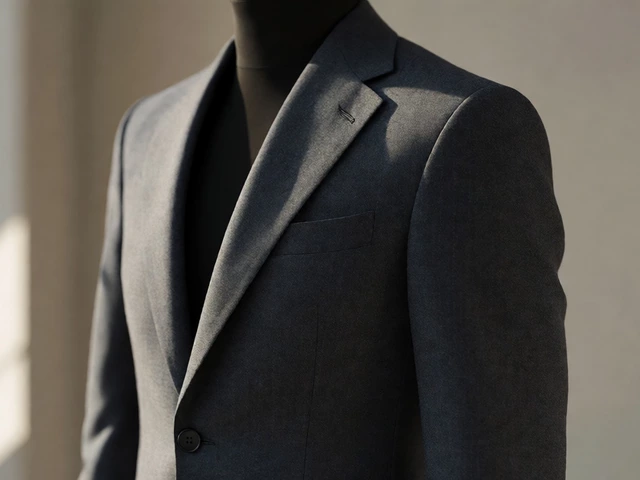
Another contender is Brunello Cucinelli. Based in Solignano, Italy, Cucinelli is famous for its cashmere. But it’s not just the material; it’s the philosophy. The brand pays its workers significantly above market rates and invests heavily in restoring historic buildings in its hometown. This ethical stance, combined with unparalleled quality, allows them to charge premium prices. A simple cashmere sweater can cost over $1,000, while tailored suits can exceed $10,000.
| Brand | Average Entry Price (Garment) | Peak Price Point (Runway/Bespoke) | Key Value Driver |
|---|---|---|---|
| Hermès | $2,500+ | $15,000+ | Leather quality, scarcity |
| Chanel | $3,000+ | $25,000+ | Heritage, brand status |
| Maison Margiela (Artisanal) | $5,000+ | $30,000+ | Rarity, artistic design |
| Brunello Cucinelli | $1,000+ | $12,000+ | Cashmere quality, ethics |

The Sustainability Angle: Is It Worth It?
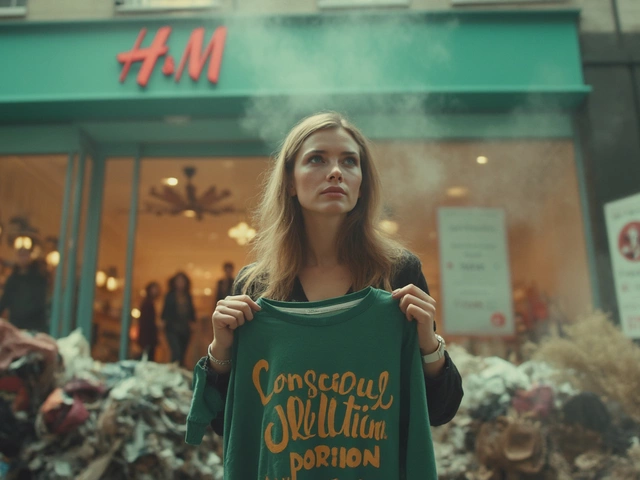
This brings us to a crucial question: Does spending this much money help the planet? The relationship between luxury fashion and sustainability is complex. On one hand, fast fashion is undeniably harmful due to its volume and waste. On the other hand, ultra-expensive brands often use resource-intensive materials like exotic leathers and silks.
However, there is a growing trend toward "slow luxury." Brands like Brunello Cucinelli and smaller artisans focus on longevity. If you buy a $10,000 coat and wear it for 20 years, the environmental impact per wear is lower than buying ten $1,000 coats that fall apart after three seasons. This is the core argument for sustainable high fashion: durability and timelessness.
Many top brands are now investing in regenerative agriculture for their cotton and wool supplies. They are also exploring bio-based materials to replace traditional leather. For example, some houses are experimenting with mushroom leather or apple skin alternatives. These innovations are costly, which explains why sustainable options in the luxury sector remain pricey.
Why Do People Buy Them?
You might wonder, what do you get for that kind of money? It’s not just better stitching. Here are the real factors:
- Exclusivity: You are part of a tiny group. The less people see the brand, the more valuable it feels.
- Investment Value: Some items, like limited-edition Hermès bags or vintage Chanel, can appreciate in value. They become assets.
- Craftsmanship: Hours of hand-work by skilled artisans. A single garment might take weeks to complete.
- Storytelling: Each piece has a narrative, from the origin of the fabric to the designer’s inspiration.

How to Navigate the Ultra-Luxury Market
If you are considering entering this world, here is how to do it smartly:
- Focus on Staples: Start with items that never go out of style-a perfect coat, a well-tailored suit, or a high-quality bag.
- Check Resale Value: Look at platforms like The RealReal or Vestiaire Collective to see how much similar items sell for second-hand. This gives you a realistic idea of long-term value.
- Prioritize Condition: In the luxury market, condition is everything. A slightly worn item loses significant value.
- Consider Pre-Owned: Buying vintage or pre-owned luxury is often more sustainable and cost-effective. You avoid the initial retail markup and reduce waste.
The Future of Expensive Fashion
As we move further into 2026, the definition of luxury is shifting. Consumers are increasingly demanding transparency. They want to know where their clothes come from, who made them, and what impact they have on the environment. Brands that fail to adapt risk losing relevance, no matter how prestigious their name.
We are seeing a rise in digital ownership too. Some luxury brands are offering NFTs alongside physical garments, adding another layer of value and verification. This blend of physical craftsmanship and digital innovation is shaping the next era of high-end fashion.
Ultimately, the most expensive clothing brand isn’t just about the price tag. It’s about the story, the sustainability, and the lasting value. Whether you choose Hermès for its heritage or Maison Margiela for its artistry, the key is to buy with intention. In a world of endless choices, thoughtful consumption is the truest form of luxury.
Is Hermès really the most expensive brand?
Hermès is consistently one of the most expensive brands, especially for leather goods. However, for individual clothing items, brands like Maison Margiela (Artisanal) or bespoke tailors can charge more per piece due to extreme rarity and artistic complexity.
Are expensive clothes more sustainable?
Not automatically, but often yes. High-end brands tend to produce fewer items with higher quality materials, leading to longer lifespans. This reduces waste compared to fast fashion. However, some luxury materials like exotic leathers have high environmental costs. Look for brands committed to regenerative practices.
Do luxury clothes hold their value?
Some do, particularly iconic items from Hermès, Chanel, and Louis Vuitton. Limited editions and classic styles often retain or even increase in value. However, trendy items or those with visible wear may lose significant value. Always check resale markets before buying.
What makes Maison Margiela so expensive?
Maison Margiela’s Artisanal line features one-of-a-kind pieces created by master craftspeople. The high price reflects the extensive handwork, unique materials, and artistic vision of designers like John Galliano. It’s closer to wearable art than standard fashion.
Should I buy new or pre-owned luxury?
Pre-owned is often a smarter choice for both budget and sustainability. You can find rare items at lower prices and extend the life of existing garments. Just ensure you buy from reputable sellers who authenticate their products.