Body Type & Style Guide Quiz
Instructions: Select the option that best describes your natural physique and how clothes typically fit you.
Your Result:
Why this fits you:
Personalized Style Strategy
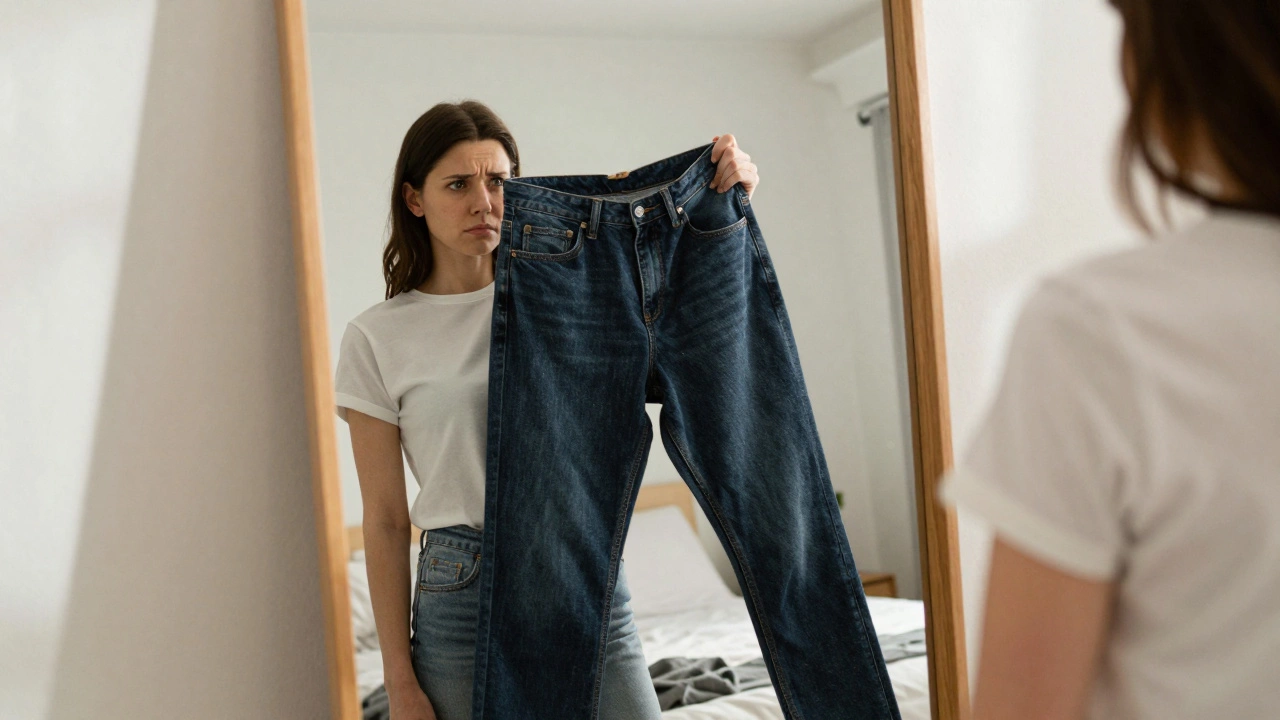
You stand in front of the mirror, holding up a pair of jeans that look perfect on the mannequin but completely wrong on you. It’s frustrating. You’re not alone. For decades, people have tried to categorize their bodies into neat little boxes to make sense of why certain clothes hang differently on them than they do on others. The most famous system for this is the Somatotype classification, which breaks bodies down into three main types: ectomorphs, mesomorphs, and endomorphs.
If you are trying to figure out whether you lean more toward the muscular, athletic build of a mesomorph or the softer, curvier frame of an endomorph, you aren’t just looking for a label. You are looking for a strategy. Knowing your body type helps you shop smarter, avoid wasting money on clothes that don’t flatter you, and feel confident in what you wear every day.
The Basics: What Are Somatotypes?
Before we dive into the specifics, let’s clear up a common misconception. Somatotypes were originally developed by psychologist William Sheldon in the 1940s to study personality traits based on body shape. While modern science has largely debunked the idea that your body shape determines your personality, the physical descriptions remain useful in fashion and fitness contexts.
In the world of style, these categories help us understand how fabric interacts with our unique proportions. Most people are not purely one type; we exist on a spectrum. However, identifying your dominant tendencies can significantly simplify your wardrobe choices. Let’s break down the two types you are asking about: the mesomorph and the endomorph.
Identifying the Mesomorph Build
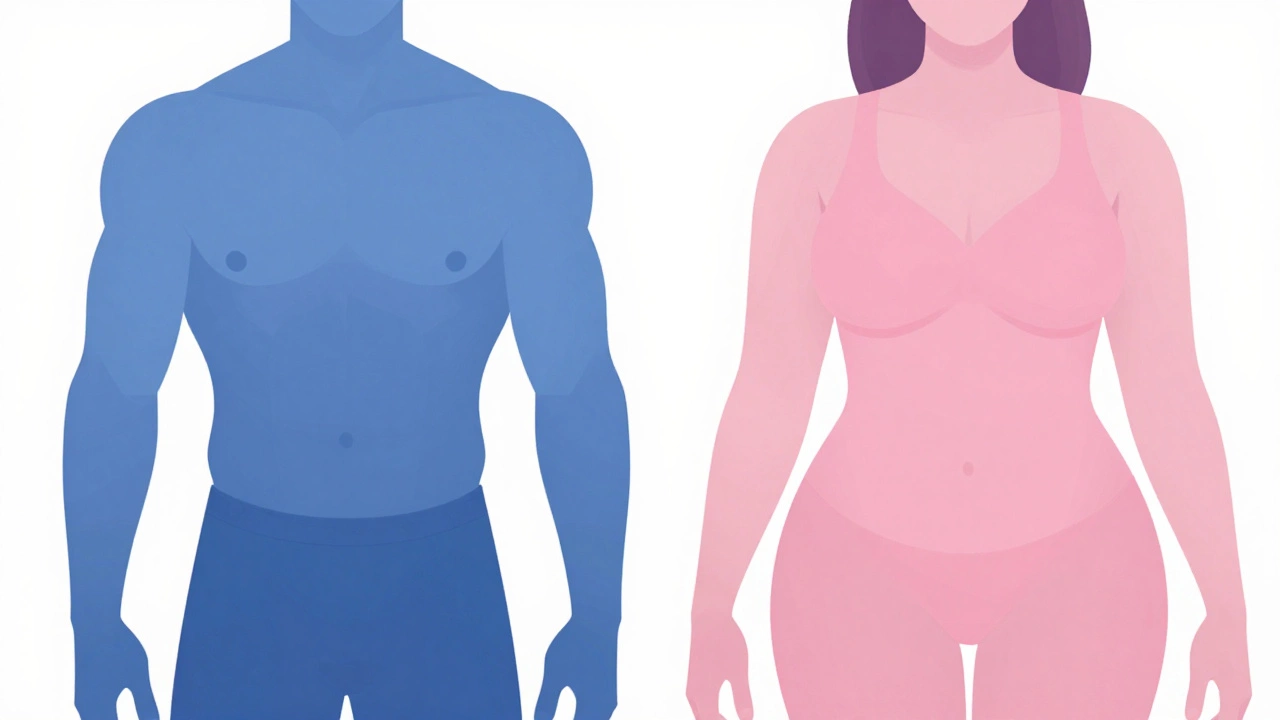
A Mesomorph is characterized by a naturally athletic and muscular physique. These individuals tend to gain muscle easily and maintain a relatively low body fat percentage without excessive effort. Their frames are often described as "V-shaped" because they typically have broad shoulders and a narrower waist.
Here is what to look for if you suspect you are a mesomorph:
- Bone Structure: Your joints (knees, elbows, wrists) are medium-sized-neither tiny nor large. Your shoulder width is noticeably broader than your hip width.
- Body Composition: You hold muscle mass well. Even if you stop working out for a while, you likely retain some definition rather than becoming completely soft.
- Waistline: Your waist is defined and sits comfortably between your ribcage and hips. It is not extremely narrow like an ectomorph, but it is distinct.
- Metabolism: Your metabolism is efficient. You can eat a moderate amount of food without gaining significant weight, provided you stay active.
Think of athletes like sprinters or gymnasts. They have that balanced, powerful look. If you find yourself fitting well into off-the-rack athletic wear and feeling comfortable in fitted shirts that show off your arms and shoulders, you might be leaning mesomorph.
Identifying the Endomorph Build
An Endomorph body type is associated with a softer, rounder physique. These individuals tend to have a higher percentage of body fat and a slower metabolism. They often carry weight evenly across their body, resulting in a pear, apple, or hourglass shape depending on where the weight settles.
Here are the key indicators of an endomorph build:
- Bone Structure: You may have larger joints and a wider frame. Your hips and shoulders might be similar in width, creating a more rectangular or oval silhouette.
- Body Composition: You gain weight easily, particularly around the midsection, thighs, and buttocks. Losing weight can feel like an uphill battle compared to other body types.
- Waistline: Your waist may be less defined. The transition from your ribs to your hips is smoother, lacking the sharp taper seen in mesomorphs.
- Metabolism: Your body is efficient at storing energy. This means you need to be more mindful of calorie intake and portion sizes to maintain your weight.
Consider figures like classic Hollywood actresses who had fuller, softer curves. If you often struggle with pants that fit your hips but are too loose at the waist, or shirts that pull across the stomach, you might identify more with the endomorph category.
Key Differences: Mesomorph vs. Endomorph
To help you decide, let’s compare the two side-by-side. This table highlights the primary physical differences that impact how clothes fit.
| Feature | Mesomorph | Endomorph |
|---|---|---|
| Shoulder Width | Broad, often wider than hips | Medium to wide, often similar to hips |
| Waist Definition | Clearly defined, tapered | Less defined, smoother curve |
| Muscle Gain | Easy, natural tendency | Difficult, requires consistent effort |
| Fat Storage | Lows, stays lean easily | Higher, stores energy readily |
| Joint Size | Medium | Large |
| Clothing Fit Challenge | Shirts may be too tight in arms/chest | Pants may gap at waist or bind at thighs |
Why Does This Matter for Your Wardrobe?
Knowing your body type isn’t about labeling yourself; it’s about solving problems. When you know whether you are a mesomorph or an endomorph, you can tailor your shopping strategy to highlight your best features and minimize areas you might want to balance out.
For mesomorphs, the goal is often to maintain the natural V-shape. Fitted blazers, structured jackets, and shirts with darts work well because they accentuate the broad shoulders and narrow waist. Avoid overly baggy clothes that hide your athletic build.
For endomorphs, the focus is on creating structure and definition. High-waisted pants can help define the waistline, while A-line skirts or dresses can balance wider hips. Vertical lines and monochromatic outfits can create a lengthening effect, making the silhouette appear slimmer. Fabrics with some stretch and structure are your friends-they smooth rather than cling awkwardly.
Practical Tips for Shopping Based on Your Type
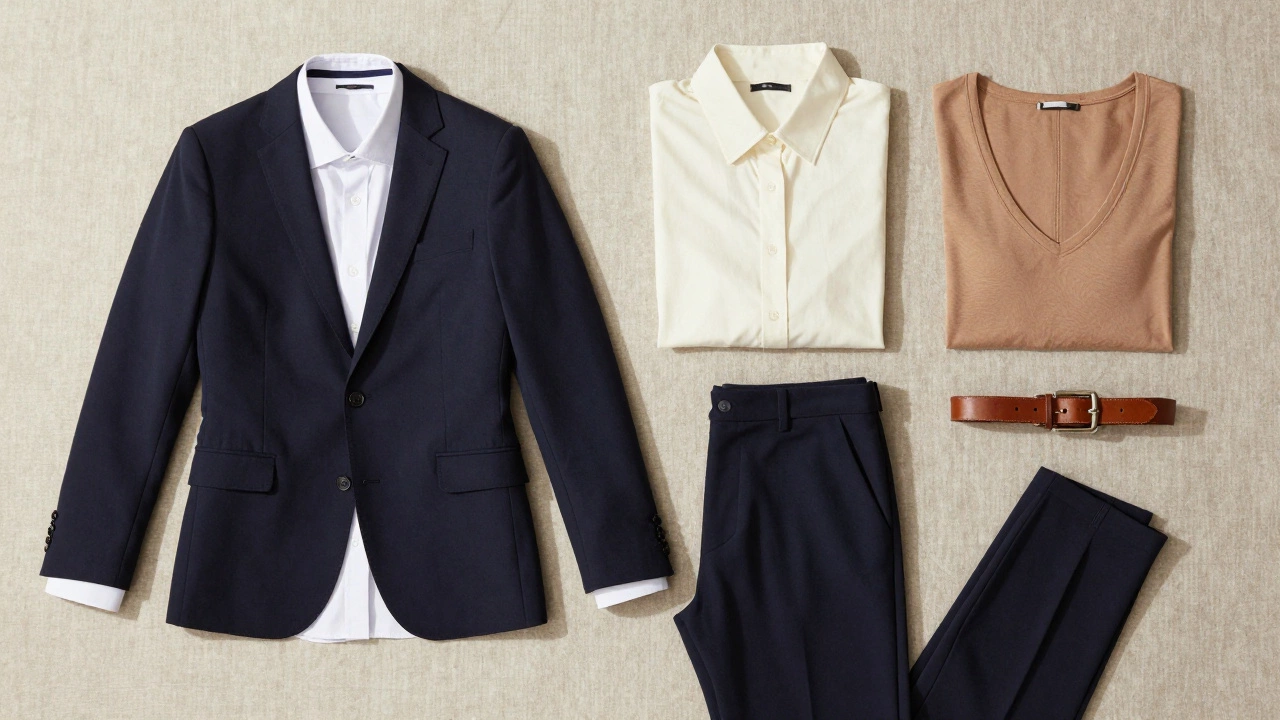
Once you’ve identified your leaning, here are some actionable tips to refine your style.
If you lean Mesomorph:
- Embrace Tailoring: Your shoulders are your asset. Get jackets tailored to fit snugly across the shoulder seam.
- Choose Structured Fabrics: Denim, cotton twill, and wool blends hold their shape and complement your muscle tone.
- Show Off Your Arms: Short-sleeve shirts and rolled-up sleeves look great on mesomorphs. Don’t be afraid of sleeveless tops if you’re comfortable.
If you lean Endomorph:
- Create Waist Definition: Use belts strategically. A belt over a dress or cardigan can create the illusion of a smaller waist.
- Opt for Darker Colors: Black, navy, and charcoal are slimming and versatile. Save brighter colors for accessories or areas you want to highlight.
- Look for Stretch: Pants with 2-5% elastane will move with your body and provide comfort without sagging.
- V-Necklines: These draw the eye upward and elongate the neck, balancing a wider torso.
Common Mistakes to Avoid
Even with the right knowledge, it’s easy to fall into traps. One common mistake is trying to dress for a body type you don’t have. If you’re an endomorph, avoiding all fitted clothes might seem safe, but it can actually make you look larger. Instead, choose fits that skim your body rather than clinging tightly or hanging loosely.
Another error is ignoring proportions. If you have a mesomorph build with broad shoulders, wearing high-neck turtlenecks can sometimes overwhelm your frame. Opt for open collars or V-necks to break up the bulk.
Finally, don’t forget that body types can change. Weight gain, loss, age, and lifestyle changes can shift your appearance. Re-evaluate your wardrobe seasonally. What worked last year might not fit your current shape.
Final Thoughts on Finding Your Fit
Determining if you are an endomorph or mesomorph is less about rigid classification and more about understanding your unique geometry. By observing your bone structure, muscle distribution, and how clothes currently fit, you can start making informed decisions. Remember, confidence comes from wearing clothes that feel good and look right for you, not from forcing yourself into a mold. Experiment, tailor when necessary, and prioritize comfort alongside style.
Can I be both an endomorph and a mesomorph?
Yes, most people are mixed types. You might have a mesomorph upper body with broad shoulders but an endomorph lower body with wider hips. In this case, you should shop for pieces that accommodate your dominant features or consider tailoring to balance the proportions.
Does my body type affect my metabolism?
Generally, yes. Mesomorphs tend to have faster metabolisms and burn calories more efficiently during rest and activity. Endomorphs often have slower metabolisms, meaning they store energy as fat more readily. However, diet and exercise play a huge role in managing metabolic health regardless of body type.
What is the best pant fit for an endomorph?
High-waisted pants with a slight stretch are ideal. Look for styles labeled "straight leg" or "bootcut" as they balance wider hips and thighs. Avoid skinny jeans unless they have significant elasticity, as they can emphasize lumps and bumps. Tailoring the waistband is often necessary for a perfect fit.
How do I know if I'm an ectomorph instead?
Ectomorphs are characterized by a slender frame, small joints, and difficulty gaining weight or muscle. If you have narrow shoulders, a flat chest, and long limbs, you might be an ectomorph. Unlike mesomorphs, ectomorphs rarely have visible muscle definition without intense training.
Can changing my diet change my body type?
Your skeletal structure and genetic predisposition won't change, but your body composition can. Through targeted nutrition and exercise, an endomorph can reduce body fat and reveal more muscle definition, appearing more mesomorph-like. Conversely, a mesomorph can gain weight and appear softer. Clothing strategies should adapt to your current physique, not your genetic potential.