Ethical Clothing Impact Calculator
Secondhand: Zero new water usage, no new carbon emissions
Ethical Brands: 70% less water than conventional cotton (GOTS certified)
Key benefits: Supports fair wages, reduces landfill waste, extends clothing lifespan
Water Saved
(Equivalent to )Cost Efficiency
(vs. $ per wear)Carbon Footprint
(Per year)Pro Tip: The average person buys 60% more clothes than 15 years ago, and keeps items half as long. Switching to secondhand can reduce your clothing footprint by 80%.
Every time you buy a new shirt, pair of jeans, or dress, you’re making a choice-not just about style, but about people, planets, and power. The fashion industry is the second-largest polluter on Earth, after oil. It uses 2,700 liters of water to make one cotton t-shirt-enough for one person to drink for 2.5 years. And behind those cheap prices? Often, workers earning less than $3 a day in unsafe factories. So if you care about fairness, the environment, or just not contributing to harm, the question isn’t whether to buy clothes-it’s how to buy them ethically.
Stop Buying New Unless You Have to
The most ethical thing you can do is not buy anything at all. That sounds extreme, but it’s true. The average person buys 60% more clothing than they did 15 years ago, and keeps each item for half as long. Fast fashion thrives on this cycle: cheap, trendy, disposable. But every new item you buy adds to landfill waste, water pollution, and carbon emissions. Before you click ‘add to cart,’ ask: Do I really need this? Will I wear it at least 30 times? If the answer is no, skip it. You don’t need more clothes-you need better ones.Buy Secondhand First
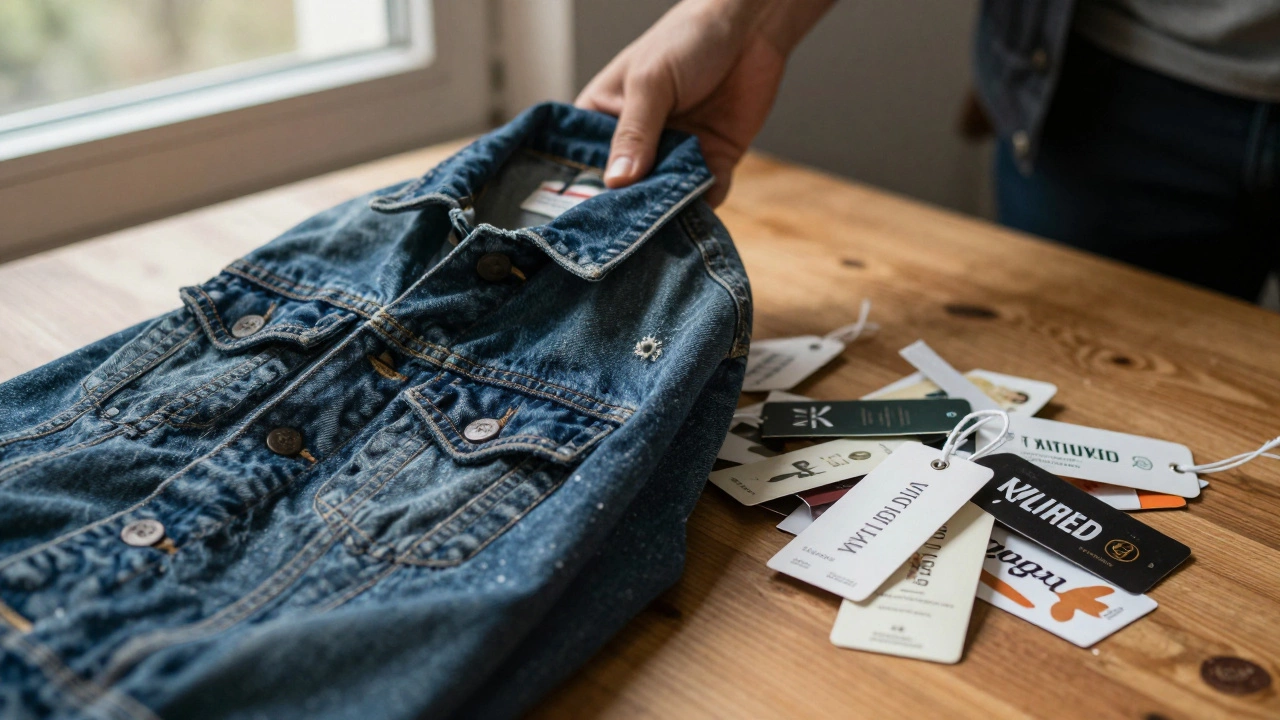
Thrift stores, consignment shops, and online resale platforms like Depop, Vinted, or Poshmark are your best friends. Buying used cuts demand for new production and keeps clothes out of landfills. In Australia, 80% of unwanted clothing ends up in landfill. But a secondhand denim jacket from 2010 uses zero new water, zero new dyes, and zero new labor. It’s already made. You’re just giving it a second life. And the quality? Often better than today’s fast fashion. Vintage Levi’s from the 90s, wool coats from the 80s, silk blouses from the 70s-they were built to last. You’ll find them for a fraction of the price, and they’ll outlast anything from Zara or H&M.Look for Certifications That Actually Mean Something
Not all eco-labels are equal. ‘Organic cotton’ sounds good, but if the garment was sewn in a factory with no fair wages, it’s not ethical. Look for certifications that cover both people and planet:- GOTS (Global Organic Textile Standard)-requires at least 70% organic fibers and bans toxic dyes, plus fair labor standards.
- Fair Trade Certified-ensures workers get fair pay, safe conditions, and community investment.
- B Corp-a company-wide certification showing they meet high social and environmental standards across everything they do.
- OEKO-TEX Standard 100-checks for harmful chemicals in fabrics, but doesn’t cover labor.
Support Small, Transparent Brands
Big brands don’t want you to know how their clothes are made. Small brands do. Look for companies that publish their factory locations, pay rates, and material sources. Brands like People Tree is a pioneer in Fair Trade fashion since 1991, working with organic cotton farmers in India and Nepal, and paying living wages to garment workers. Patagonia is a company that repairs your worn-out jackets for free and encourages you to buy less. Reformation is a brand that tracks the water and carbon footprint of every item and shares it publicly. These aren’t perfect, but they’re trying. And they’re accountable. When a brand is proud enough to show you its supply chain, that’s a good sign.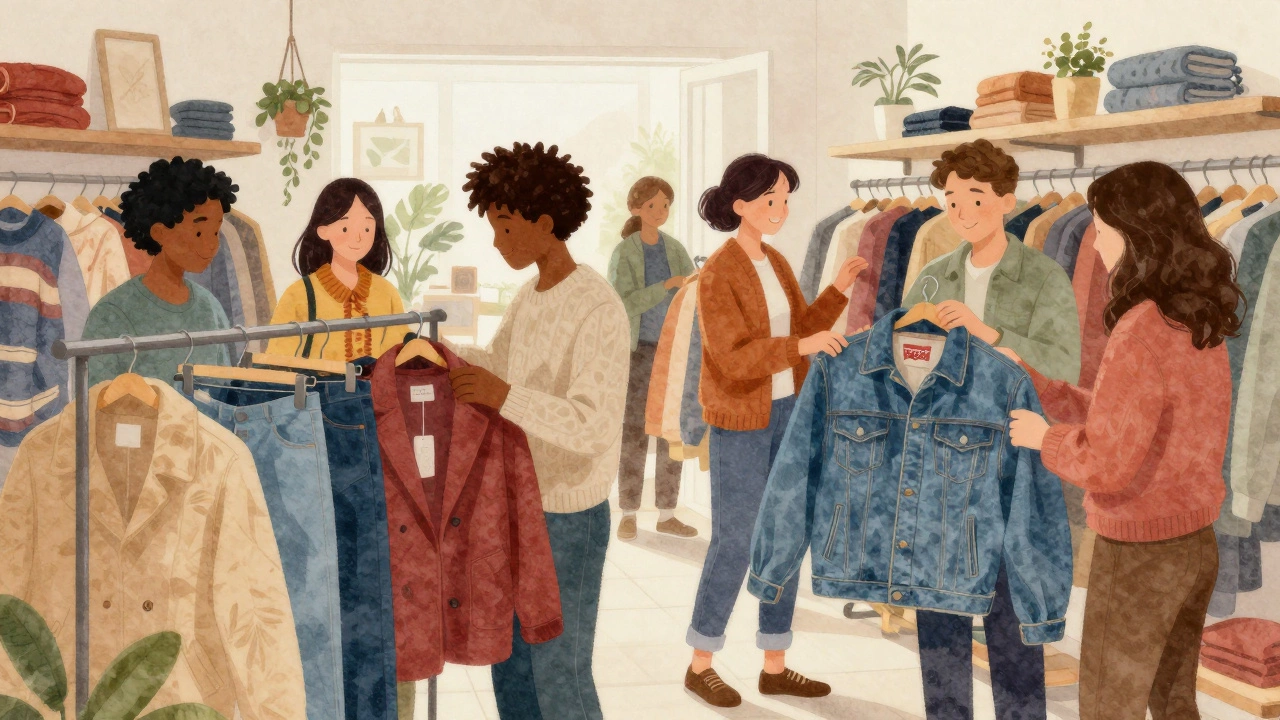
Choose Natural, Durable Materials
Synthetic fabrics like polyester, nylon, and acrylic are made from oil. They shed microplastics every time you wash them-polluting oceans and entering the food chain. Natural fibers like cotton, linen, hemp, wool, and TENCEL™ are better, but not all are equal.- Hemp-grows fast, needs no pesticides, and uses little water. It’s strong, breathable, and gets softer with wear.
- Linen-made from flax, it’s biodegradable and uses almost no irrigation.
- TENCEL™ (lyocell)-made from wood pulp in a closed-loop process that recycles 99% of solvents. It’s soft, durable, and low-impact.
- Organic cotton-better than conventional cotton, but still water-heavy. Only choose if it’s GOTS-certified.
Wash Less, Wash Right
You don’t need to wash your jeans after every wear. In fact, washing clothes less often extends their life and cuts energy use. A single load of laundry releases up to 700,000 microplastic fibers into waterways. To reduce your impact:- Air dry instead of using a dryer.
- Wash in cold water with a Guppyfriend bag to catch microfibers.
- Use eco-friendly detergent (no phosphates, no synthetic fragrances).
- Only run full loads.
Think Long-Term, Not Trendy
Ethical fashion isn’t about buying more ‘sustainable’ stuff. It’s about buying less, and choosing things that last. Ask yourself: Will this piece still look good in five years? Will I still love it in winter? Does it fit my real life-not just a photo op? Build a capsule wardrobe with neutral colors, timeless cuts, and quality fabrics. One well-made coat can last a decade. Ten cheap ones will end up in a landfill in two.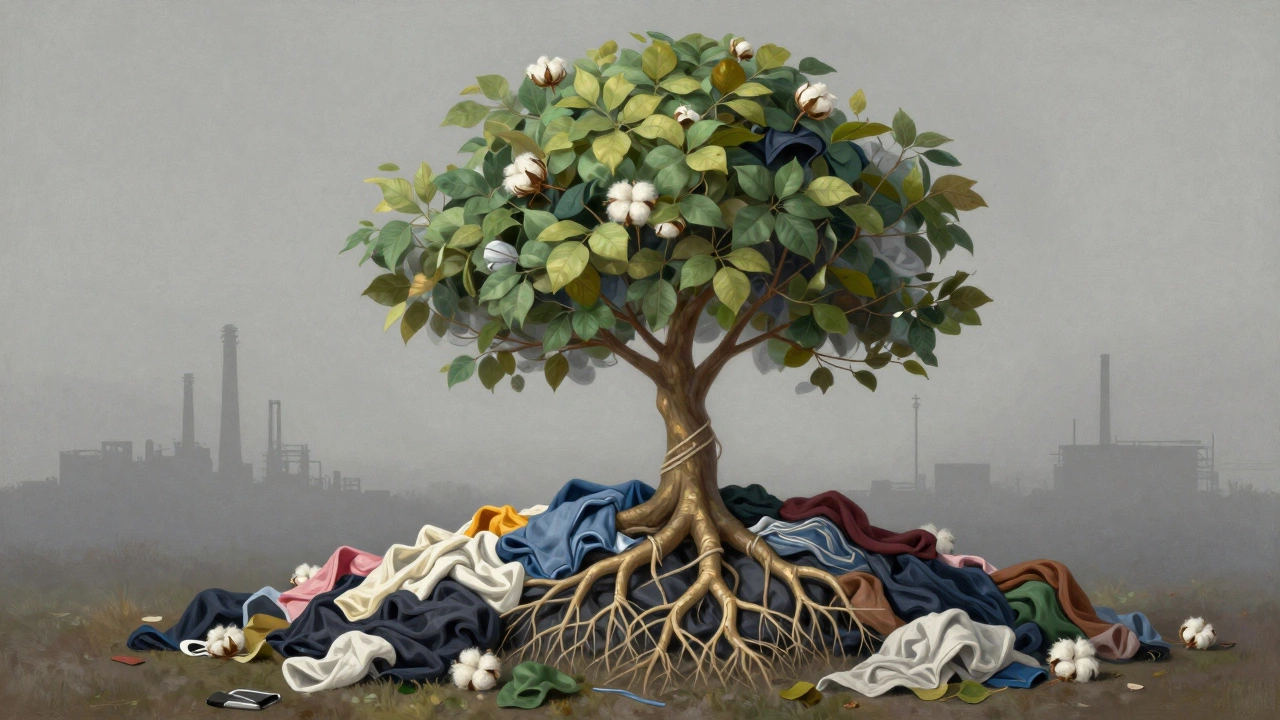
Return What You Don’t Need
Online shopping makes it easy to buy multiple sizes or colors and return the rest. But returns generate emissions, waste packaging, and often end up incinerated. Before you order, check sizing charts. Use virtual try-on tools. Buy from retailers with free returns and responsible recycling programs. If you do return something, don’t just toss it in the mailbox-choose a drop-off point that partners with textile recyclers.Advocate and Share
Your voice matters. Ask brands on social media: ‘Where is this made?’ ‘Who made my clothes?’ ‘Do you pay a living wage?’ When companies hear from customers, they respond. Share your secondhand finds. Post about brands doing right. Start conversations. Ethical fashion grows when people talk about it.Is organic cotton always ethical?
No. Organic cotton means no synthetic pesticides were used in growing the cotton-but it doesn’t guarantee fair wages, safe working conditions, or low water use. Always look for GOTS certification, which covers both environmental and social standards.
Can I be ethical if I shop at H&M’s Conscious line?
H&M’s Conscious collection uses some organic or recycled materials, but it’s still part of a fast fashion model that encourages overconsumption. Less than 1% of their clothing is recycled into new garments. Buying from them supports a system designed to sell you more, not less. It’s better than nothing, but not truly ethical. Secondhand or certified small brands are stronger choices.
How much more does ethical clothing cost?
Ethical clothing often costs 2-5 times more than fast fashion. A $50 ethical t-shirt vs. a $10 H&M one. But when you divide the cost by how many times you wear it, the ethical piece wins. A $50 shirt worn 100 times costs 50 cents per wear. A $10 shirt worn 5 times costs $2 per wear. Plus, ethical clothes last longer, fit better, and don’t fade or pill after a few washes.
What if I can’t afford ethical brands?
You don’t need to buy new to be ethical. Secondhand shopping is the most affordable and sustainable option. Check local op shops, Facebook Marketplace, or community swap events. Borrow clothes for special occasions. Repair what you have. Ethical fashion isn’t about price tags-it’s about making thoughtful choices with what you already own or can find used.
Are rental services like Rent the Runway ethical?
Rental services reduce waste by reusing clothes, which is good. But many rely on fast fashion brands and ship items across the country in plastic packaging. The carbon footprint from shipping and dry cleaning can add up. They’re better than buying new for one-time events, but not a long-term solution. For regular wear, secondhand is still better.