Open Shelving Trends: Modern Kitchen and Living Space Ideas
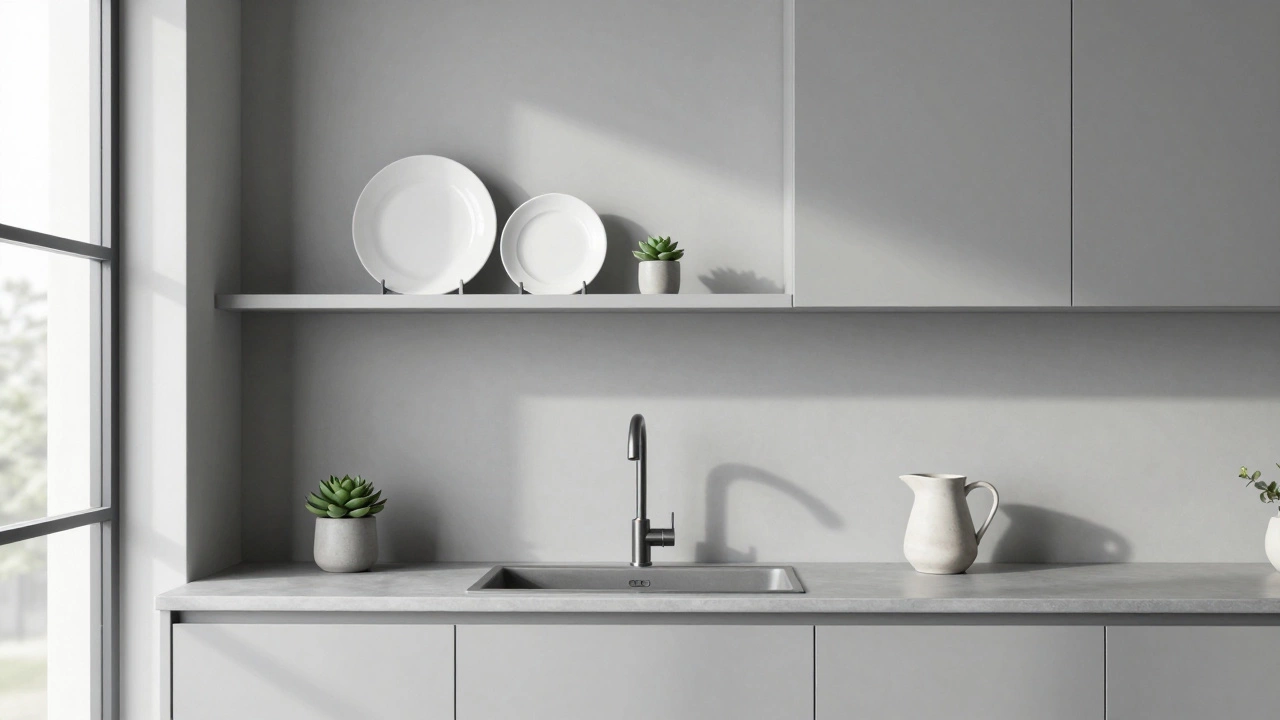
When you think of open shelving, a storage solution that replaces cabinets with exposed shelves, often used in kitchens and living areas for both function and style. It's not just about showing off your dishes—it's a design shift that says less is more, and visibility builds connection. This trend isn’t about being trendy for trend’s sake. It’s about making storage part of the room’s rhythm, not hiding it away. People are choosing open shelves because they want to see what they use, not dig through closed doors every morning. And it works—when done right.
What makes open shelving stick around? It pairs naturally with minimalist storage, a design approach that focuses on reducing visual clutter while keeping essentials accessible. You don’t need a cabinet for every mug, bowl, or spice jar. You need a few well-placed shelves, good lighting, and the discipline to keep only what you love or use daily. That’s why so many of the posts here talk about decluttering, timeless decor, and ethical living—open shelving demands intention. If your shelves are full of dust collectors, they’ll feel chaotic, not curated. But if they hold your favorite ceramics, a few plants, and one or two beautiful cookbooks? That’s the look. And it’s not just kitchens. Living rooms, bathrooms, and even home offices are getting the open shelf treatment. Think floating shelves holding books and photos in a reading nook, or narrow racks displaying towels and linen in a bathroom. The key is proportion—shelves that are too deep or too high feel heavy. Shelves that are just wide enough to hold what you need, and no more, feel light.
There’s a reason this trend shows up in posts about home decor 2025, the current wave of interior design focused on calm, natural materials, and functional beauty. It’s not flashy, but it’s enduring. Unlike cabinets that need hardware, paint, or panels, open shelves are raw and real. They work with modern shelving design, a style that favors clean lines, natural wood, metal finishes, and hidden supports. Think walnut slats, black steel brackets, or even concrete ledges. No trim. No molding. Just structure and substance. And because it’s so simple, it lets you play with texture—mixing ceramic, glass, and woven baskets on the same shelf without it looking messy. You’ll notice in the posts below how people use open shelving to tie together different rooms. A shelf in the kitchen that echoes the wood tone of the living room bookcase. A narrow shelf above the toilet that holds the same soap brand as the one in the bathroom vanity. These small connections make a home feel intentional, not staged.
But it’s not for everyone. If you live in a dusty area, have small kids, or hate cleaning glassware every week, open shelving might feel like a chore. That’s why the best examples you’ll find here aren’t about perfection—they’re about honesty. A shelf with a few well-loved mugs, a slightly chipped bowl, and a jar of flour. That’s not clutter. That’s life. And that’s why open shelving isn’t fading. It’s becoming more personal. More real. More like the way we actually live.
Below, you’ll find real examples from people who’ve tried it—what worked, what didn’t, and how they made it their own. No fluff. No staged photos. Just honest takes on how open shelving fits into everyday life.
Open shelves in 2024 aren't out of style - but they're no longer the default. Learn where they still work, what's replacing them, and how to make them work for your home without the clutter.