Kitchen Shelves: Smart Storage Ideas and Practical Tips for Every Home
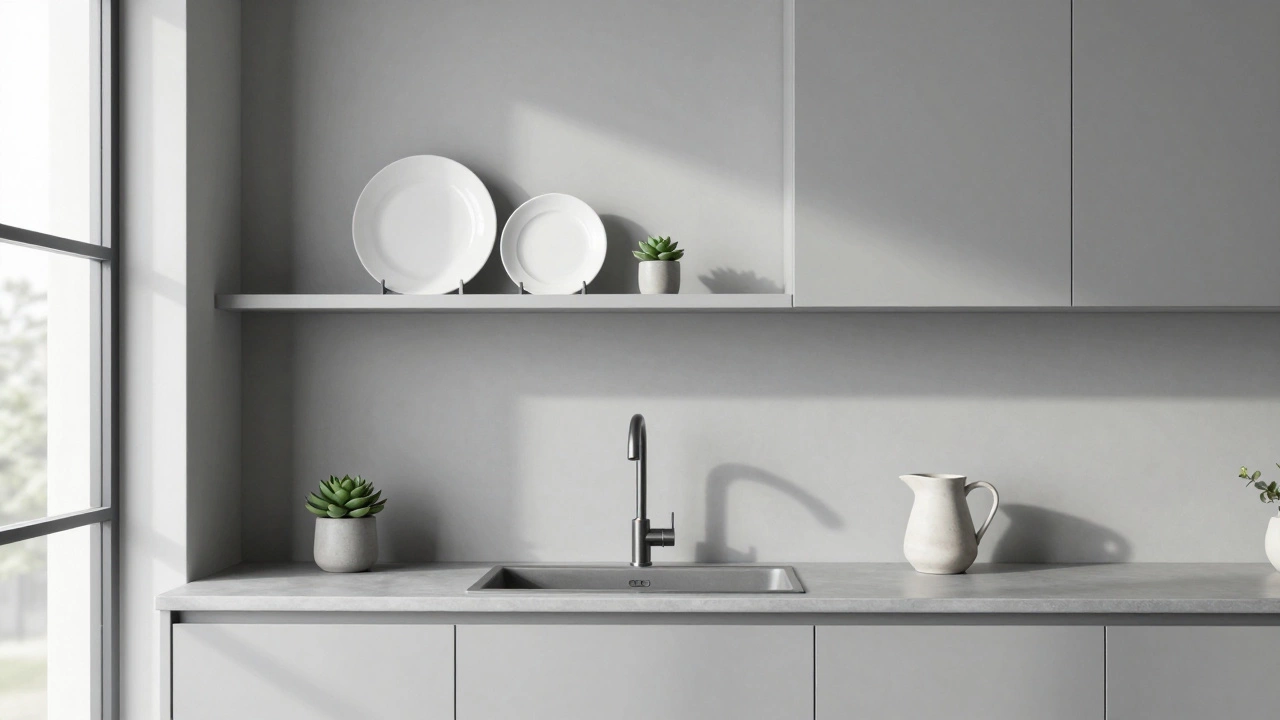
When you think of kitchen shelves, open or closed storage units mounted on walls or freestanding, used to hold cookware, dishes, and pantry items. Also known as wall shelves, they're one of the most underused tools in home organization. Most people install them and forget them—stacking plates, mugs, and random gadgets without a plan. But well-designed shelves don’t just look good; they cut down time, reduce clutter, and make cooking feel easier.
Pantry organization, the system of storing food and kitchen supplies in a way that makes them easy to find and access. It’s not about buying fancy bins or matching jars—it’s about putting what you use most at eye level and keeping rarely used stuff out of the way. Kitchen shelves are the backbone of that system. Think about how you move through your kitchen: you grab spices while cooking, pull out mugs in the morning, reach for bowls after dinner. Your shelves should match that rhythm. A shelf with heavy pots on top? That’s a back injury waiting to happen. A shelf crammed with unused gadgets? That’s wasted space.
Shelf design, the layout, material, and placement of shelves that affect usability, safety, and visual appeal. It’s not just about how many shelves you have—it’s about how deep they are, how far apart, and what they’re made of. Wooden shelves hold weight better than thin metal ones. Floating shelves look clean but need solid wall anchors. Corner shelves? Great for turning dead space into usable storage. And don’t forget lighting—under-shelf LED strips make it easy to find that one spice jar in the back without digging.
What you’ll find in the posts below isn’t a list of pretty Pinterest boards. It’s real advice from people who’ve tried it all: the shelf that held too much and broke, the one that looked great but made cooking a chore, the simple fix that changed their morning routine. You’ll see how to use shelves to reduce clutter, organize by frequency of use, and avoid the traps of ‘storage trends’ that don’t work in real life. Whether you have a tiny apartment kitchen or a big farmhouse space, the goal is the same: make your shelves work for you—not the other way around.
Open shelves in 2024 aren't out of style - but they're no longer the default. Learn where they still work, what's replacing them, and how to make them work for your home without the clutter.