Fast Fashion Cost: What It Really Costs You and the Planet
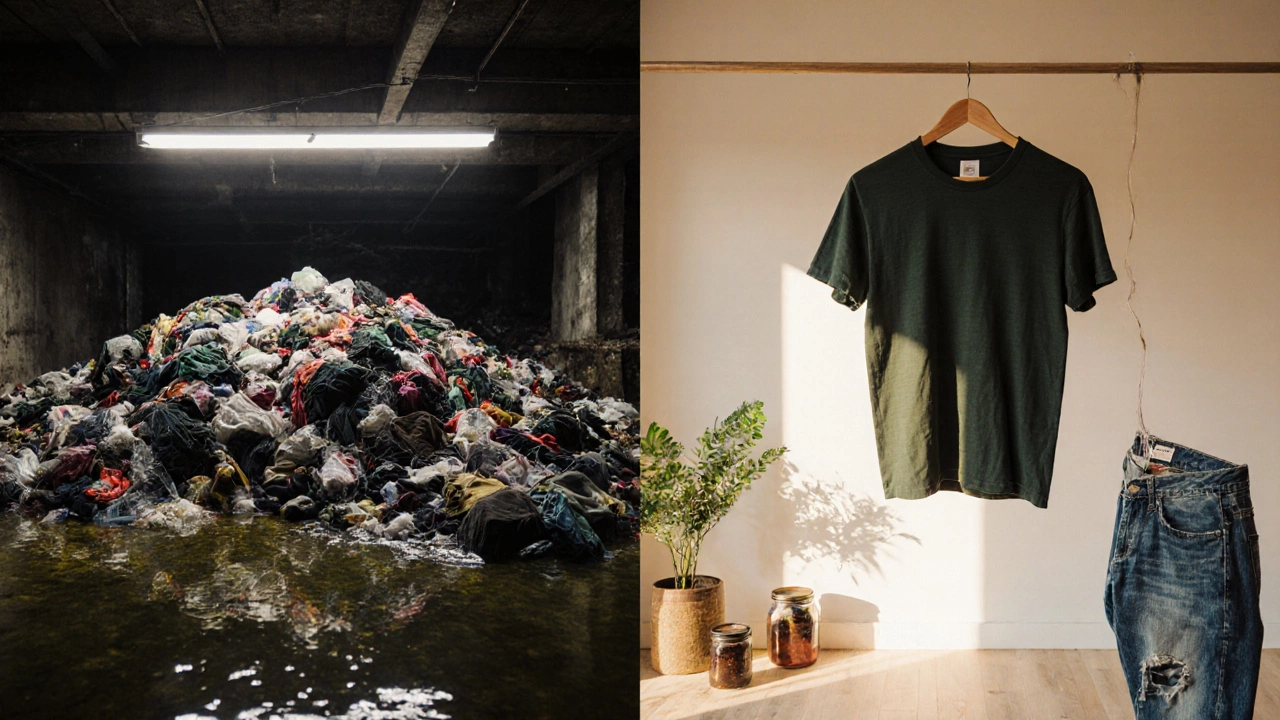
When you buy a $5 t-shirt, you’re not just paying for fabric and stitching—you’re paying for fast fashion cost, a system built on low prices, high volume, and hidden environmental and human expenses. Also known as throwaway fashion, this model thrives on speed, not sustainability. The true price shows up later—in polluted rivers, overflowing landfills, and workers earning less than $3 a day.
The environmental impact of fashion, the second-largest polluter on Earth after oil isn’t just about carbon. It’s about water: one cotton t-shirt takes 2,700 liters to make—enough for one person to drink for 2.5 years. It’s about microplastics from synthetic fabrics washing into oceans. And it’s about waste: clothing waste, over 92 million tons dumped globally every year, most of it never recycled. Meanwhile, sustainable fashion, a slower, cleaner alternative using ethical labor and eco-friendly materials still feels like a niche choice, even though it’s the only way forward.
Here’s the truth: cheap clothes aren’t cheap at all. They wear out fast, forcing you to buy more. They damage the planet. And they exploit people you’ll never meet. The ethical clothing, garments made with fair wages and safe conditions you see in some of the posts below aren’t a luxury—they’re a correction. These aren’t just stories about buying better. They’re about waking up to what your choices really mean.
Below, you’ll find real guides on how to spot greenwashing, what materials actually matter, how to build a wardrobe that lasts, and why buying less might be the most powerful thing you do. No fluff. No slogans. Just facts, fixes, and what works when you’re tired of paying the hidden price of fast fashion.
Sustainable fashion costs more because it pays fair wages, uses eco-friendly materials, avoids overproduction, and ensures transparency. The real cost of fast fashion is hidden-this is what you’re actually paying for.