Fair Wages: What They Are, Why They Matter, and How They Shape Daily Life
When we talk about fair wages, a payment level that allows workers to meet basic needs without relying on government aid or second jobs. Also known as a living wage, it's not about luxury—it's about not choosing between rent and groceries. It’s not a bonus. It’s not a perk. It’s the bare minimum any job should offer to keep someone out of poverty.
Think about the people cleaning your office, stocking shelves at the grocery store, or delivering your food. Many of them work full-time and still can’t afford healthcare or a reliable car. That’s not a flaw in their effort—it’s a failure in how we value work. income inequality, the growing gap between what top earners make and what most workers take home isn’t just a statistic. It’s why you see more people working three jobs and still falling behind. And it’s directly tied to how companies decide what to pay. ethical employment, practices that respect human dignity, pay fairly, and avoid exploitation isn’t a buzzword—it’s the difference between someone staying in a job because they have to, and staying because they feel valued.
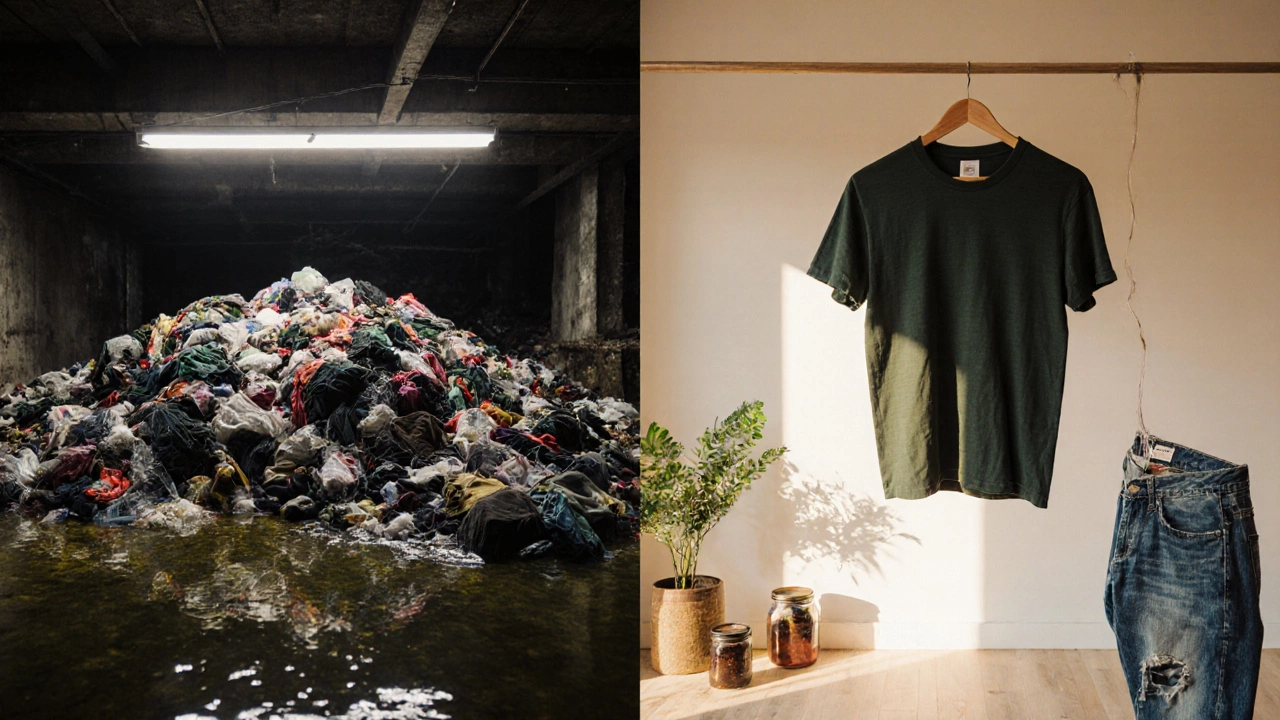
There’s a reason why posts here talk about sustainable fashion, mindful living, and decluttering. People are starting to ask: Who made this? At what cost? When you buy clothes, eat food, or use a service, you’re already part of a wage system. Choosing brands that pay fairly isn’t about being perfect—it’s about refusing to ignore the human cost behind convenience. worker rights, the legal and moral protections that ensure fair treatment, pay, and safety on the job aren’t just for unions or activists. They’re for anyone who’s ever felt invisible at work.
What you’ll find here aren’t just articles about paychecks. They’re stories about people, systems, and choices that connect to how we live, what we buy, and who we support. From how fair wages influence home decor decisions to why they matter in mental health and daily stress, these posts show the real ripple effect of one simple idea: if you work, you deserve to live.
Sustainable fashion costs more because it pays fair wages, uses eco-friendly materials, avoids overproduction, and ensures transparency. The real cost of fast fashion is hidden-this is what you’re actually paying for.