Clothing Production: How Your Clothes Are Made and What It Really Means
When you buy a shirt, you’re not just buying fabric—you’re buying the result of clothing production, the entire process of turning raw materials into finished garments, from farming cotton to stitching seams in factories thousands of miles away. This system affects workers, ecosystems, and your wallet—and most people have no idea how broken it really is. It’s not just about labels or price tags. It’s about who made your hoodie, what chemicals were used, and how much water was wasted to get it to your closet.
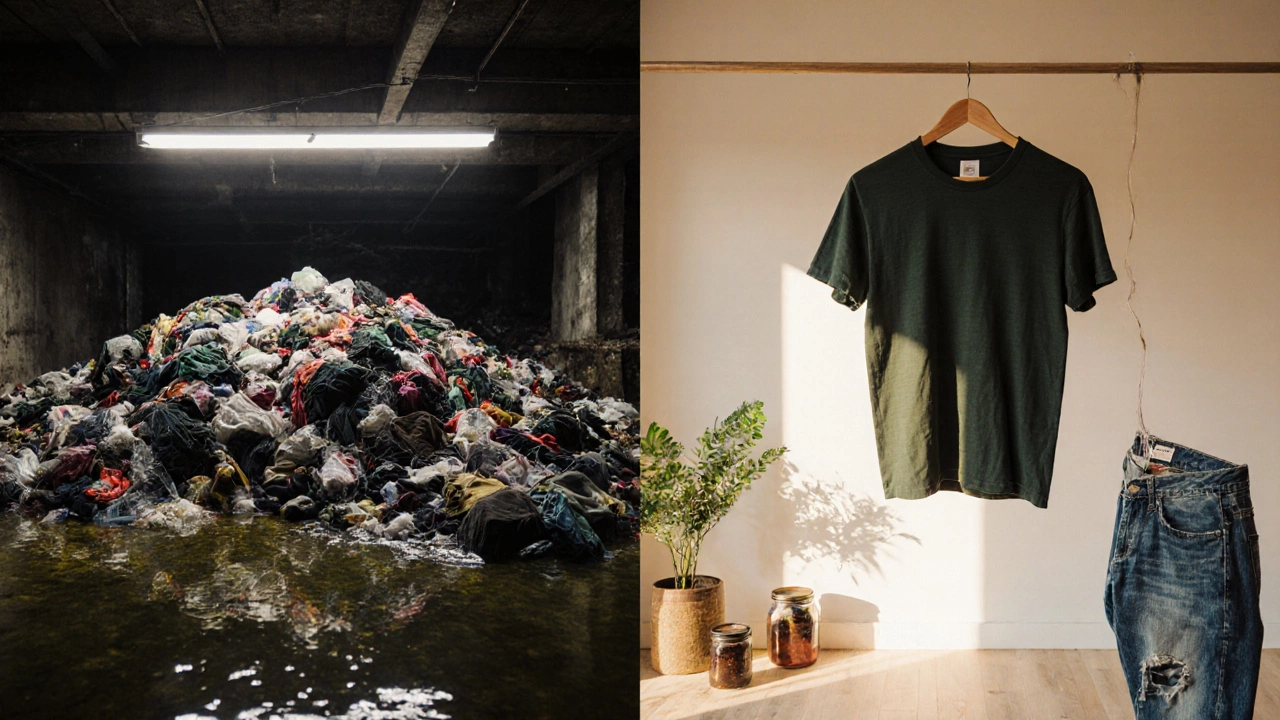
Fast fashion, a model built on speed, low cost, and constant new releases dominates the market. Brands churn out new styles every week, pushing people to buy more and throw away faster. But behind every $5 t-shirt is a story of underpaid labor, toxic dyes, and mountains of textile waste. That’s where sustainable fashion, an approach that prioritizes ethical labor, renewable materials, and circular systems comes in. It’s not a trend—it’s a reset. And it’s growing. From brands using recycled ocean plastic to repair programs that extend a garment’s life, the alternatives are real, even if they’re not always easy to find.
Ethical apparel, clothing made with fair wages, safe conditions, and transparency isn’t just about feeling good—it’s about demanding accountability. Companies that hide their factories aren’t just shady—they’re dangerous. Meanwhile, eco-friendly clothing, garments made from organic, biodegradable, or low-impact materials cuts down on pollution at the source. Think hemp instead of polyester, natural dyes instead of synthetic chemicals. These aren’t niche ideas anymore. They’re the only way forward.
What you wear doesn’t exist in a vacuum. Every stitch connects to a person, a place, and a planet. The posts below dig into what’s really happening in the fashion world—from how clothing production harms the environment to how small choices can push the industry toward change. You’ll find real talk about brands that walk the line, what to look for when shopping, and how to build a wardrobe that doesn’t cost the earth. This isn’t about perfection. It’s about awareness. And that’s where you start.
Sustainable fashion costs more because it pays fair wages, uses eco-friendly materials, avoids overproduction, and ensures transparency. The real cost of fast fashion is hidden-this is what you’re actually paying for.